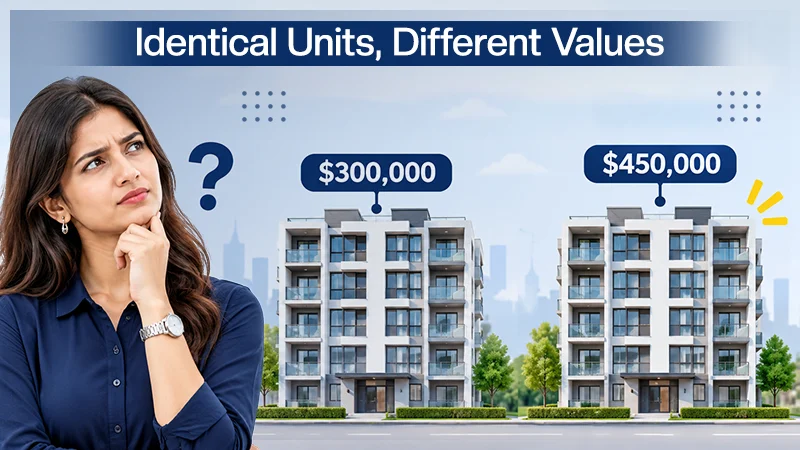
5000 OBO means that a product is priced at $5000 but is open to negotiation and can be sold for a lower price after proper agreement.

What Does OBO Mean in Real Estate? OBO Listing, Negotiating Tips, and Common Mistakes
Sales in real estate can be sped up using a simple term: ‘OBO.’ OBO means that the seller is open to negotiation if it is accompanied by other favorable factors that are profitable for the owner.
This technique not only helps in faster sales but also helps the seller understand the market value of their property. For first-time OBO users, it is important to consider the brand value flaws and unreasonable offers, which can cause trouble for the business and property owner.
In this detailed guide, I will take you through what does obo mean in real estate, along with its effect on buyers and sellers, OBO listings, common mistakes and many more insightful tips.
Table of Contents:
What Does OBO Mean in Real Estate?
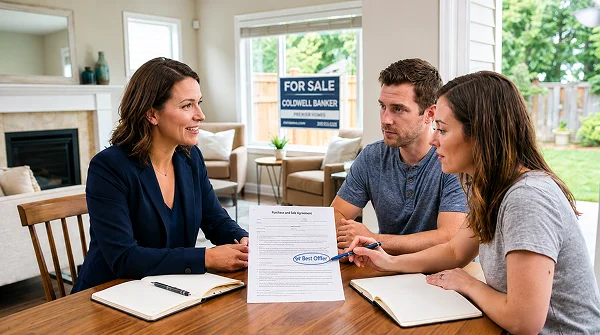
O.B.O. meaning in real estate translates to ‘Or best offer,’ which means that the seller is ready to negotiate prices beyond the one proposed, as stated by the Cambridge Dictionary. This is a popular technique used in sales and business to attract more buyers, resulting in faster sales.
However, despite this flexibility, it is also not guaranteed that the seller will accept the proposed offers based on the highest value. The locked deal is based on various factors like cash payment, immediate purchase, and limited property inspection, which affect which deal gets accepted, beyond just money.
Understanding what does OBO mean in real estate is important for quicker sales; also consider the innumerable lowball risk factors attached to it, like extremely low-price offers and damaged market reputation.
How Does OBO Affect Buyers and Sellers Differently?
OBO affects buyers and sellers differently. The idea of profit and loss remains ambiguous until the property is sold. It acts as a benefit for both parties, increasing visibility for the seller and flexibility in price negotiation for the buyer.
Here are some ways in which OBO affects the buyer and the seller differently:
How OBO Affects Buyers?
- Opportunity to Negotiate: OBO offers the potential to negotiate prices. So, interested buyers can think of investing in their desired properties.
- Chance of a Better Deal: While the OBO does not guarantee complete profit for the buyer, if the bid is favorable in terms of the market value, the chances of landing a better deal considerably increase.
- No Guarantee of Conversions: OBO does offer a space for negotiation, but it does not guarantee profit for the buyer.
How OBO Affects Sellers
- Increase Visibility: The OBO helps attract different buyers to the property, which is unlikely when the seller is not up for negotiation.
- Understand Market Value: Before putting any property on sale, the seller must know the market value of the property. OBO and buyer negotiations also help one understand where the property stands in terms of market value and assist in settling for a favorable price.
- Clears Out Stock: Sellers use OBO offers often when they have to sell off some property or product in an emergency. The “or best offer” tag also helps the buyer understand that the seller is open to negotiating on the price, which contributes to the sale of the property.
- Profit Conversion May Vary: While the chances of properly selling increase with OBO offers, the profit conversions may vary. It is not guaranteed that the final closing deal will be favourable.
How Does OBO Listing Work?
The OBO listing is divided into 4 main stages: listing, buyer inquiry, negotiation, and agreement.
Take a look at these steps in detail to understand the process better:
1. Sellers List an Item
The seller usually lists an item with an OBO offer. Like $500 OBO. This means that the seller is ready to negotiate the price. This is usually done to attract more buyers for quick sales. Sellers are recommended to put the prices slightly higher than what they are willing to receive.
2. Buyer Offer
Now that the listing goes live, the buyers message the sellers with their own offer. For buyers, it is advised to offer a price lower than they are willing to pay, which makes the negotiation much more favorable.
3. Negotiation
Remember that the seller is not obliged to accept the highest offer, as happens in an auction. Both parties can also negotiate their part for shared profit.
4. Agreement
This is the last and the most crucial step of OBO, which most buyers overlook. In real estate purchases, only legal agreements count as evidence for any locked deal.
Therefore, always read all the T&C before signing legal papers. As per NAR, while signing a legal contract, if one of the contingencies is not met, the owner can cancel it immediately. Therefore, hire a real estate agent who makes sure that all the legalities are fulfilled carefully.
Ways to Negotiate the OBO Pricing
There are various ways to negotiate the OBO pricing as a buyer, such as comparing the market pricing and analyzing the property for any defects, setting a limit price, and being open to negotiation.
Take a look at the different ways to negotiate the OBO pricing to help land a better deal.
- Compare the Market Prices: Before negotiating the pricing, make sure that you check the market prices of similar items. This will help you bid better. While doing this, also remember that similar items do not mean similar prices; hence, use prices as a reference to understand the base value.
It is also advised that buyers do not go 50% lower when negotiating with the seller, as it guarantees that the other party might not even consider the offer.
- Look for Property Defects: This is one of the most important points most buyers often miss out on. While buying any sort of property, look out for structural defects. This will help you lower the price from the one proposed by the seller. The property defects also ensure that the maintenance is either covered by the seller or that they reduce the base price, benefiting the buyer.
- Set a Limit Price: The OBO pricing does not necessarily result in a hundred percent conversion and success rate for the seller as well. Therefore, it is recommended to select a base price below what you are not ready to negotiate. This also gives some space to the buyer and allows for a flexible decision.
- Be Open to Suggestions: A great negotiation involves some adjustments and discussions. Buyers are generally recommended to ask for a price lower than what they are willing to offer. So, as the negotiation happens, both parties gain profit on some level.
OBO vs Fixed Pricing: Which is a Better Option?
In between fixed prices and OBO, there is no universally better option. It depends on your goals and how fast you want to sell a property.
Fixed pricing is great for assets that are in high demand and cater to particular audiences ready to pay for them, while OBO ensures faster sales for properties and has a lot of negotiating space.
Take a look at the comparison table between OBO and fixed pricing:
| Differentiating Factor | Fixed Price | OBO ( Or Best Offer) |
| Negotiating Space | None. The fixed price does not leave any space for negotiation. | Immense. OBO offers a lot of space for negotiation, balancing the profit for the buyer and seller alike. |
| Sales | Fixed price attracted mixed buyers and generally only those who are ready to pay the asking price. | OBO attracts a lot of buyers and ensures faster sales, as the chances of negotiation and locking in a low-price deal are higher. |
| Market Demand | The fixed prices are generally for products that are less in quantity and have a high market demand. | Lower. OBO is made to attract users for faster sales of property that does not have a high market value. |
As per the table, it can be concluded that a fixed price does not offer space for negotiation like OBO but ensures that the brand value of the property is maintained. Fixed prices do not ensure faster sales, which is guaranteed in the other alternative.
Pros and Cons of OBO
The core benefits of OBO are that it guarantees quick sales and helps understand the value of the property in real time. However, it also degrades that value, as the owner is ready to negotiate on lower prices and can also encounter really low offers.
Here are the common pros and cons of the OBO:
| Pros | Cons |
| Helps with quick sales due to an open-to-negotiation offer. More buyers are attracted to the property. The seller is not bound to accept any offer, unlike an auction. You can get to know the market value of your property and how much buyers are willing to pay. | OBO also automatically portrays the product/property as flawed, as the seller is willing to compromise on the price. The seller, in the process, can encounter many spam messages that offer really low prices. |
Common Mistakes and Solutions With OBO Offers
OBO is often misunderstood in terms of its flexibility; hence, both sellers and buyers make some mistakes that lead to transparency gaps during negotiation.
Here is a list of common mistakes and solutions with OBO listings:
Mistake 1: Extremely Low OBO Prices: Some sellers keep the base price of the property extremely low, which hinders bidding at the time, as the market value of the product is significantly reduced and also the profit margins for the seller.
Solution: It is recommended to put the price slightly higher than what you are willing to offer. This, at the time of bidding, makes sure that the product value does not drop to significantly low prices.
Mistake 2: Confusing OBO with Auction: Many sellers in the business confuse OBO with an auction. OBO is a one-on-one negotiation with the seller who has a price for a certain item but is willing to accept lower prices as well. Whereas an auction is where multiple bidders bid for a product at the same time, and the highest one wins the property. The core difference lies in how the buyer interacts with the seller. In OBO, it is up to the seller whether they want to accept the lower offer.
Solution: Auction is not the space for debate and discourse. OBO offers a free space for both parties to negotiate and decide the price that suits them both. Additionally, it is not necessary for the buyer in case of OBO that they must accept the offer.
Mistake 3: Taking Verbal Communication as Authenticated Proof: Any non-documented proof of conversation used as a reference for a locked deal is just a sign of unprofessionalism. Real estate owners are bound by contracts, and there must be a legally binding agreement that confirms the ownership and monetary exchange.
Solution: Make sure there is a legal contract that has a document of the deal locked along with the decided price.
Final Thoughts
In conclusion, OBO, or ‘Or Best Offer ’, is a sales term that lets sellers price their property for an open negotiation listing. Unlike an auction setting, the seller does not have to necessarily accept an offer, making it much more flexible.
In comparison to fixed pricing, putting an OBO offer automatically shows the low demand for the property. The O.B.O. meaning directly translates to a negotiation between the seller and the buyers, which is brought forth for the faster sale of the property.
FAQs
What does 5000 mean in OBO?
What does OBO mean in real estate?
OBO means, in real estate, that the seller is open to negotiation on the price of a property. However, there is no guarantee that the seller will always accept this offer.
What does OBO stand for?
OBO stands for ‘Or Best Offer ’, meaning the price of a product can be negotiated lower and is not fixed by the seller.
What does $1000 mean in OBO?
$1000 o.b.o. meaning is that the seller is asking for the listed price but can close the deal at a lower price based on various other factors, like immediate action or cash on the spot.
What is 6000 OBO?
6000 OBO is the price proposed by the seller for a product or an asset, but the OBO signals that lower prices can be negotiated and the seller is not rigid about the price.
Related Posts