Ans: A jerry can is inflammable and can ignite and catch on fire almost immediately, even before you open the seal. This is why it is important to store and use it with caution.

5 Common Jerry Can Mistakes (and How to Avoid Them)
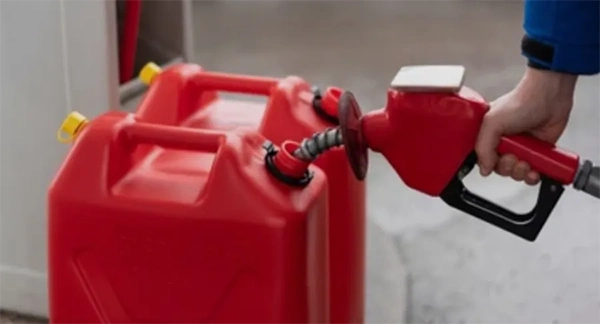
A jerry can seems simple, yet minor mistakes in its handling can lead to huge safety risks, wasted fuel, and costly damage. Many people know how to use them, but few take the time to learn proper techniques to keep the area safe and clean.
Safety procedures begin long before pouring fuel into a tank, and knowing such mistakes helps protect both people and equipment while also maintaining fuel quality.
This article lists the common errors people make with jerry cans and how small changes have the power to prevent problems before they start.
Key Takeaways
- Non-approved containers are prone to swelling, cracking, and spilling, while also creating static discharge
- Abrupt unsealing of the containers must be avoided, as it can release harmful vapors, causing harm to the individual
- It is crucial to ground the can before the filling process, so that the built-up static electricity gets discharged completely
- Always remember to store the jerry can in a cool and dry spot, preventing vapor release or ignition chances
Table of Contents:
- Using Non-Approved Containers Instead of PESO-Approved Jerry Cans
- Neglecting to Vent the Can Slowly to Release Vapor Pressure Before Opening
- Pouring Fuel too Quickly, Increasing Risk of Spills and Static Discharge
- Failing to Ground the Jerry Can During Refueling to Prevent Ignition Sparks
- Ignoring Signs of Wear, Rust, or Damage That Compromise Safety
- Conclusion
- Frequently Asked Questions
Using Non-Approved Containers Instead of PESO-Approved Jerry Cans
Many people use regular plastic gas cans or metal containers for fuel storage. These may appear convenient, but often do not meet the required safety standards set for handling flammable liquids.
Regulations state that only approved containers, such as PESO-approved or DOT-certified jerry cans, should hold gasoline or diesel.
A PESO-approved system can prevent fuel leaks and reduce fire hazards. It must meet testing standards for pressure, venting, and material strength. Choosing an ergonomic jerry can helps users pour fuel without strain, which makes work safer and easier.
Non-approved containers might crack, swell, or spill due to heat exposure. They may also generate static discharge while fueling, increasing the risk of accidental ignition.
Therefore, using certified cans safeguards both workers and property from accidents. Proper labeling, handling, and regular maintenance further strengthen workplace compliance and safety.
Neglecting to Vent the Can Slowly to Release Vapor Pressure Before Opening
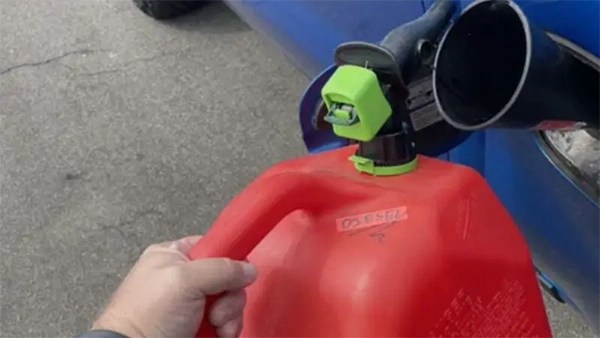
Many people open a jerry can too quickly after it has been exposed to direct heat or sunlight. This is why pressure inside the container can rise as fuel becomes warm, leading to a sudden release of the pressure, pushing fumes or liquid outward. This abrupt burst may cause a small spray of fuel, which can irritate the skin or eyes.
To prevent this from happening, users should unseal the can slowly and allow the built-up vapor to escape in a controlled way. This venting procedure helps pressure stabilization and reduces the risk of vapor exposure or splashing fuel.
Additionally, it also helps the container retain its shape, avoiding damage caused by pressure variation.
Fuel vapor is flammable, so it makes sense to handle venting away from open flames or sparks. Even a small amount of released vapor can ignite under the wrong conditions. Taking a few extra seconds to release pressure carefully keeps the user safer and protects the container from unnecessary stress.
Pouring Fuel too Quickly, Increasing Risk of Spills and Static Discharge
Fuel often splashes or spills when poured too fast from a jerry can. Fast flow creates turbulence that leads to splatter, wasted fuel, and surface contamination. It also makes it harder to control the container, especially near small openings.
Pouring quickly can increase the risk of a static discharge, as rapid fuel movement allows friction to generate between the liquid and the container, resulting in static electricity.
Even a small static spark is capable of igniting the fuel vapors if the container or nozzle interacts with the metal.
To reduce hazards, users should pour slowly and steadily. Keeping the can grounded to the vehicle or surface helps release static safely. A funnel or spout can further control the flow and reduce turbulence.
Refueling on level ground supports stability and accuracy. By following these steps, users lower the chance of spills, protect against fire risks, and make fuel transfer safer and cleaner.
Fun Fact
The Jerry can was invented by Germany in the 1930s (as Wehrmacht- Einheitskanister) to efficiently transport 20 litres of fuel.
Failing to Ground the Jerry Can During Refueling to Prevent Ignition Sparks
Static electricity can build up during fuel transfer, and even a small spark can ignite vapors. People often overlook grounding the jerry can, yet it plays a key role in safety. Without grounding, a charge on the can or nozzle can discharge into the fuel vapors and cause a fire.
To ensure safety, the jerry can should touch the ground before refueling begins. It should never rest on a vehicle, trunk, or trailer floor because insulation surfaces prevent static from properly discharging.
Make sure to keep the nozzle in contact with the can’s opening during filling, to help equalize the charge.
Grounding takes only a moment but reduces the chance of sparks. Metal contact with a grounded surface allows static to flow harmlessly away. By following this simple habit, users handle fuel more safely and protect themselves and others from potential ignition.
Ignoring Signs of Wear, Rust, or Damage That Compromise Safety
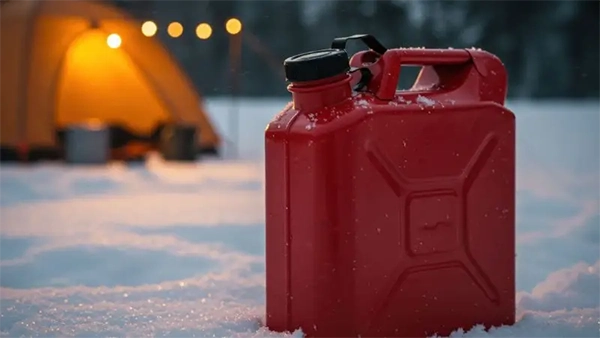
Small cracks, dents, or rust spots on a jerry can may look harmless, but they can let fuel leak or become contaminated.
Over time, metal or plastic containers weaken, especially if left in the sun, moisture, or cold temperatures. These problems raise the risk of spills or pressure buildup.
A damaged cap or loose seal can also allow fumes to escape. This can create fire hazards or make stored fuel unusable. Regular checks for discoloration, swelling, or rough patches help catch issues early.
If a jerry can displays signs of corrosion or visible wear, replacing it is the safest option. Simple habits like cleaning the exterior, keeping it dry, and placing it away from direct sunlight can extend its lifespan.
By giving attention to small signs of wear, users protect themselves and prevent unnecessary accidents.
Conclusion
By following basic safety steps, anyone can handle a jerry can responsibly. Proper use prevents spills, leaks, and damage to both equipment and the environment. Small habits, such as checking for signs of wear and keeping the container sealed, keep fuel safe and clean.
Regular inspection and proper storage also extend the lifespan of the can. Storing it upright in a cool and dry location prevents corrosion and pressure buildup. Using an approved can for the liquid keeps materials from breaking down.
Safe handling protects people, vehicles, and property. With careful attention to these simple details, they can store and transport fuel with fewer risks and better results.
Frequently Asked Questions
Q1) Why should a jerry can be handled with care?
Q2) What is the use of grounding?
Ans: When a jerry can touches the floor, it releases all the built-up static electricity and gets discharged, preventing any accidental ignition incidents.
Q3) Is storing the can in a dry place important?
Ans: Yes, as containers facing direct sunlight or heat can release harmful vapors that can impact a person’s health. It may also release the liquid abruptly. This is why storing the container in a cool and dry place is important.
Q4) What are the dangers of using non-approved containers?
Ans: Non-approved containers are always at risk of cracking, swelling, or spilling because of the poor material usage in them. They also had static discharge, which can lead to accidental ignitions.
Related Posts