“Inflation is a far more devastating tax than anything that has been enacted by our legislatures.”— Warren Buffett (Berkshire Hathaway, Ex-CEO)
The general public is seeing prices rise at gas pumps and grocery stores. But the construction industry is being hit harder by inflation in 2026.
When purchasing or even renting heavy equipment, the upfront price is only part of the overall costs. In addition to the higher upfront costs, the operator wages also go up. Then there are rising maintenance costs, and we don’t know what we’ll get in resale value some years down the line.
The straightforward investment has been transformed by the cumulative and compounding costs we’re seeing in 2026; it’s feeling more like a long-term financial burden.
The overall cost of ownership extends far beyond the purchase price. Each component faces pressure from 2026’s inflationary environment, creating compounding expenses that affect your profitability:
Acquisition and financing costs: Increasing material costs and supply chain disruptions are driving up manufacturers’ prices. Overall construction materials prices rose 0.1% in July 2026, with yearly increases reaching 7.4%. Higher interest rates also inflate financing costs over the loan term.
Operational expenses: Fuel costs continue to climb, and you also face increases in essential fluids such as hydraulic oil and coolant. A competitive labor market pushes various heavy construction equipment operator wages higher; at the same time, insurance premiums rise to match elevated replacement values.
Maintenance, parts, and labor: Wear parts like tires, filters, and belts cost significantly more as compared to previous years. The shortage of skilled technicians increases labor rates for both routine maintenance and emergency repairs, adding unpredictability to your budget.
Depreciation and resale value: Equipment value depreciates (decreases over time), but volatile market conditions make it difficult to reliably forecast resale prices. This uncertainty creates financial risk when you’re ready to upgrade or exit ownership.
Storage and security: Industrial environments cost more to rent or maintain. You’ll also invest more in security measures to protect high-value assets from theft and vandalism.
Smart Financial Strategies in a High-Cost Era
Purchasing the equipment is a financially sound decision in the long term, but it isn’t feasible for every business facing these escalating costs. The heavy equipment rental industry continues expanding, growing at a CAGR of 2.5% through the end of 2026, with revenue rising to $57.2 billion. This growth reflects a strategic shift from capital expenses to manageable operating costs.
Renting offers distinct advantages in today’s inflationary environment. You eliminate large down payments and loan burdens, freeing up capital for business growth, hiring, or other operational needs. The rental company handles all repairs, servicing, and parts sourcing, removing unpredictable maintenance costs from your budget entirely.
You also get modern, fuel-efficient equipment with the latest technology. This improves jobsite productivity and safety without requiring constant reinvestment in newer models. Perhaps most importantly, you pay only when you need specific equipment, selecting the ideal machine for each task rather than compromising with a one-size-fits-all purchase.
MARKET OUTLOOK
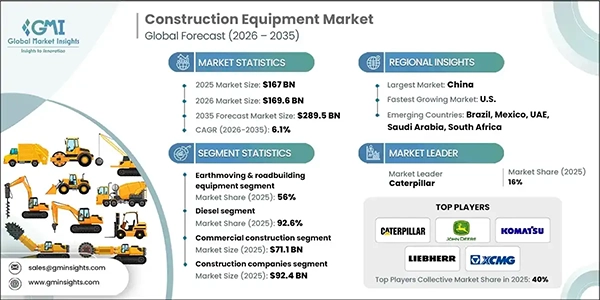
Currently at about $170 billion, the Construction Equipment market is expected to grow to almost $290 billion.
A Trusted Partner for Mountain West Equipment Needs
Professionals need to find the best value option for renting heavy equipment, which starts with choosing the right partner. Wagner CAT Rentals has served the region since 1976 as an authorized Cat dealer. It operates as a Total Solutions Provider, delivering ample value through its One Professional Team approach dedicated to customer success.
Wagner CAT Rentals draws on Caterpillar’s reputation for durable machinery, with an inventory that contains a broad selection of machines and replacement parts. This availability helps customers reduce project delays associated with equipment downtime.
Support is provided by the company’s network of 235 field service technicians and several full-service stations throughout its territory, helping keep assistance accessible when needed. Wagner also offers Cat Compact Customer Value Agreements, which include same-day parts delivery, with Cat Credits awarded if deadlines are missed. For agreements that cover dealer labor, gear is either returned to operation the next day or a loaner machine is provided.
Technology for Fleet Management
To help clients manage projects and control costs, Wagner CAT Rentals offers tools such as VisionLink, a telematics system that provides real-time fleet monitoring. This technology allows managers to track fuel usage, monitor idle time, and identify operational friction.
The Cat Mobile App gives customers mobile access to rental management and Caterpillar platforms. Additionally, the Search Information System provides one-click access to upkeep and service schedules, helping minimize equipment breakdowns.
Making the Smart Choice for Your Bottom Line
Inflation-driven equipment costs in 2026 create major challenges for profitability and project success. Ditching ownership for strategic rental helps you avoid long-term financial burdens and gain operational flexibility. Consider exploring rental options to protect your budget and keep your program adaptable.
FAQs
Why is everything so expensive in 2026?
AI firms buying out all the chips have initiated a chip supply chain crisis. Chip prices going up have, in turn, made everything else expensive.
Will inflation increase above 5% in 2026?
No. No major forecasting agency expects average global inflation to breach the 5% mark.
How much are construction costs expected to increase in 2026?
Depends on the forecasting agency, but the number falls in the range of 3-4%.