Ans: Pre-engineered steel systems offer more predictable schedules than fully customized builds, as major components are factory-produced instead of being built entirely on site.

How to Choose the Right Data Center Builder for a Commercial Real Estate Project
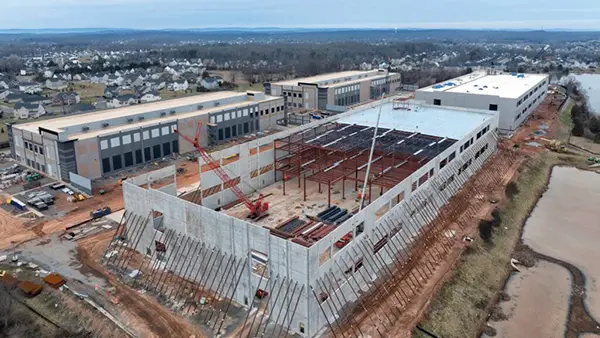
What happens when a contractor you hire does not understand how a data center actually operates? It sounds like a minor detail until construction begins, but then you realize that the building was designed with something else in mind/
Data centers are not the usual commercial buildings, and choosing the wrong builder can transform a promising project into a very expensive mistake, which is why it’s essential to know how to identify the right builder for your project.
Here’s how you can evaluate their approach, consider the construction timeline, and plan for future expansions.
Table of Contents:
- Understand Why Data Centers Are Different From Standard Commercial Builds
- Look for Direct Experience With Mission Critical Facilities
- Evaluate Their Approach to Building Envelope and Roofing
- Consider Construction Timeline and Predictability
- Plan for Future Expansion From Day One
- Ask About Experience With Local Climate and Site Conditions
- Final Thoughts
- FAQs
Understand Why Data Centers Are Different From Standard Commercial Builds
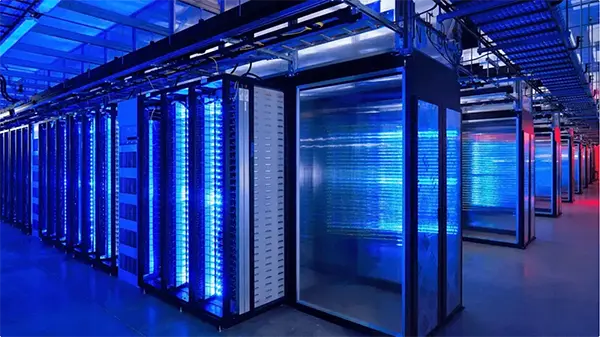
A typical office or retail building is designed around people. A data center is designed around equipment, power, and cooling. These factors alter almost everything about how the structure needs to be planned and built from the ground up.
Key differences to keep in mind:
- Power density requirements are far higher than standard commercial space
- Cooling systems must handle constant heat generated by servers
- Structural loads need to support heavy mechanical equipment
- Security and access control are far more restrictive
- Downtime is measured in minutes, not days, so reliability is non-negotiable
If a contractor cannot speak confidently about these differences, that is usually an early sign they may not be the right fit.
Look for Direct Experience With Mission Critical Facilities
General commercial construction experience is not the same as data center experience. You want a builder who has actually delivered facilities built for uptime, not just someone willing to take on the project.
Inquire about specific past projects, including facility size, power capacity, and how the builder deals with climate-related challenges in that region. A contractor with a defined track record will be able to walk you through such details without hesitation.
This is exactly the kind of specialization that matters most when researching a data center builder for your project, since experience with mission-critical facilities directly affects long-term performance and uptime. A good example of this is MAR Building Solutions, a company that has built its reputation specifically around steel construction for mission-critical facilities.
Evaluate Their Approach to Building Envelope and Roofing
Roof and wall failures are one of the biggest risks in data center construction. A single leak near sensitive equipment can cause outages that cost far more than the repair itself.
When reviewing a builder, ask about:
- Roofing systems designed specifically for long-term weathertightness
- How wall assemblies manage moisture and thermal stability
- Warranty terms on roofing and envelope systems
- Experience handling regional weather extremes, from storms to freeze and thaw cycles
A builder who talks in detail about these systems, rather than giving vague reassurances, is one who understands what is actually at stake.
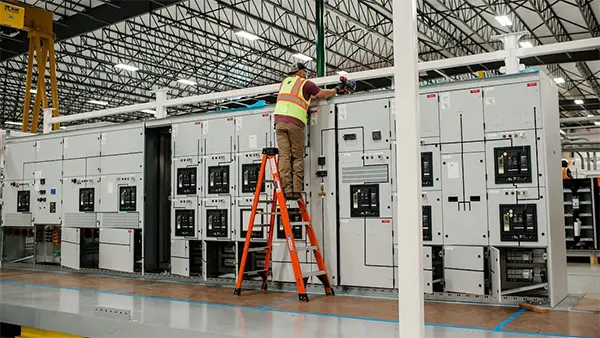
Consider Construction Timeline and Predictability
Time is money in commercial real estate, and that is specifically true for data center projects where end users are always waiting on a definite delivery date.
Pre-engineered steel systems offer more predictable schedules than fully customized builds, as major components are factory produced instead of being built entirely on site.
Ask potential builders how they handle scheduling risk, what has caused delays on past projects, and how they plan around supply chain problems. A contractor who can answer honestly, including talking about past challenges, is more trustworthy than one who promises a perfect process with no explanation of how they achieve it.
Plan for Future Expansion From Day One
Data centers rarely stay static. Power requirements scale, equipment gets upgraded, and additional white space often becomes necessary sooner than expected. A strong builder will design with future growth in mind rather than treating the initial build as the final word.
This is especially valuable for commercial real estate investors who may lease or sell the facility down the line. A building designed for easy expansion retains its value better and appeals to a wider range of future tenants.
According to a Department of Energy report produced by Lawrence Berkeley National Laboratory, electricity consumption from American data centers is projected to more than double by 2028 compared to 2023 levels, driven largely by the growth of AI computing. That kind of demand growth makes expansion-ready design a practical necessity rather than a nice-to-have.
Ask About Experience With Local Climate and Site Conditions
Regional conditions have a significant impact on how a facility needs to be engineered. Builders unfamiliar with local climatic patterns may overlook details that matter a lot over the life of the building.
Questions worth asking include:
- How does the builder account for extreme heat or cold in your region
- What wind load standards do they design for
- How do they handle heavy rain or snow load requirements
A builder with regional experience will already know the answers instead of researching them for the first time on your project. This also ties directly into communication.
A team that is able to explain these details clearly and keeps you updated as the project proceeds is usually the same team that manages the entire build well from start to finish.
Final Thoughts
Choosing the right builder for a data center project is one of the most important decisions you’ll make during the development process. The right partner does more than construct the facility.
They help safeguard your investment, keep the project on schedule, and deliver a building that supports advancing technology and future growth options.
As you evaluate potential builders, look beyond price alone. Consider their experience with mission-critical facilities, their approach to roofing and building envelope design, how they manage schedules and unexpected challenges, and whether they plan for future expansion from the get-go. It’s equally important to select a team that understands your region’s climate and communicates clearly throughout every stage of the project.
Taking the time to evaluate these factors before construction begins can reduce expensive surprises later and help ensure your data center is built to perform reliably for years to come.
FAQs
Q1) What are the benefits of pre-engineered steel systems?
Q2) What are the questions a person should ask their builders?
Ans: The following are the questions to ask:
- How does the builder account for extreme heat or cold in your region
- What wind load standards do they design for
- How do they handle heavy rain or snow load requirements
Q3) Why is it important to consider local climatic conditions?
Ans: Local climatic conditions can very well affect how the building handles external wear and tear, as there is no room for expensive mistakes that may cause unnecessary downtime, making this factor essential.