Ans: Yes. They serve as additional dwelling units.

Garage Apartment Plans: Ideas, Designs, and Everything Important You Need to Know!
Are you thinking of making a living space out of your existing garage? Well, that is the most thoughtful and responsible of you! Many owners sell their existing house and move to a bigger building for extra space, which is neither economical nor sustainable.
So, converting your garage into an additional living unit is the best option to meet the needs of a bigger family, or whatever your motive is, i.e., rental income or anything else. Here, we have tried to ease your decision-making process while considering a variety of garage apartment plans. Consider key aspects of this unique type of ADU in the following read, and equip yourself with the right knowledge.
Table of Contents:
- What is a Garage Apartment?
- What are the Benefits of a Garage Apartment?
- What are the Popular Garage Apartment Plans & Layouts?
- What are the Key Considerations Before Turning Your Garage Into an Apartment with Garage Conversion Plans?
- Practical Tips for Maximizing the Benefits of Garage Apartments
- What are the Costs of Building a Garage Apartment?
- What are the Things to Consider Before Planning a Garage Apartment?
- Conclusion
- FAQs
What is a Garage Apartment?
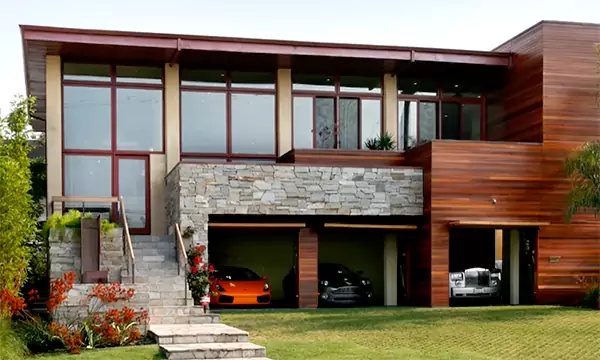
- Definition: A garage apartment is a type of Accessory Dwelling Unit (ADU), which is built within the limits of a garage on the same lot as a primary, single-family home.
- Types: There are several types of such additional living structures, according to their size, features, and garage apartment plans used. Consider them below.
- Above-garage apartment: Built on top of a garage, creating an additional living unit above on the second story, where the ground floor is still dedicated to vehicle storage! The image above represents the same category.
- Attached garage apartment: Created from a garage that is attached to the primary house on either side. Most economically residential construction or medium-budget houses hold such potential.
- Detached garage apartment: Some homes contain detached garages. Thus, additional dwelling units created using them fall under this category. Detached garage plans produce the most beautiful ADUs due to the availability of space in the surrounding area.
- Converted garage: A complete transformation of a garage into a living space without leaving any room for vehicle storage.
- Common Use Cases: Garage apartments are usually built with the following purposes in mind: rental income, a guest house, an in-law suite, a home office, a studio, and affordable housing.
What are the Benefits of a Garage Apartment?
There are more than a couple of advantages of using detached garage plans and converting a disused vehicle storage into a useful secondary living structure. These benefits include extra living space, rental income opportunity, occupant’s privacy, and cost-effectiveness.
- Extra living space: Garage apartments as ADUs provide for an extra residential structure. This is the best option if your family’s needs are expanding.
- Rental income opportunity: In most types of houses, such an extra living space is constructed mainly for the purpose of creating a source of passive income.
- Occupant’s privacy: Garage-based additional houses are also ideal for guests or tenants because a separate arrangement fosters a high level of privacy.
- Cost-effectiveness: Rather than expanding the capabilities of the primary structure or buying a new, bigger house, leveraging an idle garage is a lot more budget-friendly.
Also Read: Average Bedroom Size: Complete Guide to Dimensions, Layouts & Design Tips
What are the Popular Garage Apartment Plans & Layouts?
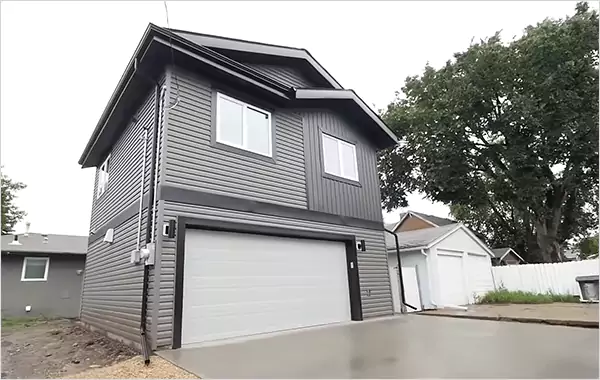
The following are the major garage apartment building plans, namely, 1-bedroom, studio, two-bedroom, and luxury. Learn about these varied ways to develop a highly functional living unit out of a garage’s building envelope.
1. 1-Bedroom Garage Apartment Plans
- Floor plan ideas: 1 bedroom with an ensuite bathroom and the remaining area featuring a kitchen, dining, and living in an open-concept manner.
- Approximate square footage: Typically, the footage ranges from 400 to 800 square feet.
- Layout tips: Leverage the vertical space and use multi-purpose furniture to ensure space efficiency.
2. Studio Garage Apartment Plans
- Compact design: Integration of the kitchen, living room, and sleeping quarters into one open room is the signature of this design.
- Open floor plans: Studio-purpose garage conversion projects often choose open floor plans due to the lack of space and need for high functionality.
- Maximizing efficiency: The open plan involves keeping the floor without walls, making even a small structure look big. For an accentuated feel, one can also utilize the scheme of color drenching.
3. Two-Bedroom Garage Apartment Plans
- For small families: With 2 fully functional bedrooms, there comes a greater sense of accommodation freedom with higher privacy. The Jack and Jill bathroom scheme can also be used in this plan.
- Rental potential: These ADU plans provide owners with strong opportunities for rental income. However, before building any structure on the garage, make sure you don’t have any foundational damage. If any, fix that first. Minor foundational repair cost isn’t much, so resolve the issues as soon as possible.
- Space optimization: Such plans utilize built-in closets and linen storage, keeping the small space clean and clutter-free.
4. Luxury Garage Apartment Plans
- Larger layouts: Most expensive houses in America often allow for luxury garage apartments, as they feature a large vehicle storage envelope. Thus, the biggest construction companies always prefer grand garage apartment floor plans for an impressive ADU.
- Modern amenities: Due to the large space and no budgetary constraints, the final structure here often features a kitchen full of modern appliances, dishwashers, dedicated laundry hookups, and other needed facilities.
- Loft-style options: There is no lack of space, natural light, air, and aesthetics. This is like a full-fledged, medium-sized, single-family house over the garage area on the premises of a lavish primary residential structure.
What are the Key Considerations Before Turning Your Garage Into an Apartment with Garage Conversion Plans?
While you go through major garage apartment plans, also ensure the following proactive checks related to the structural integrity, legal compliance, plumbing & electrical safety, and insulation & HVAC systems.
- Structural integrity
- Foundation: Inspect substantial cracks or unevenness on the garage floor before choosing garage apt plans.
- Walls: Look for any signs of water damage, termites, or structural wear and tear in the wall framing and sheathing.
- Ceiling joists: In case you are planning to build a second-story structure, check the strength of the joists thoroughly in advance.
- Roof: If your plan involves the use of the existing structure as it is, make sure that you check the roof doesn’t have any defects like cracks or wear and tear, which might not withstand the elements strongly.
- Legal compliance
- All garage apartments are to adhere to the provisions of the City Building Codes, such as the International Building Code (IBC), the International Residential Code (IRC), etc., and other applicable regulations to meet health, fire, and safety requirements.
- Off-street parking between the rear of the garage apartment and the alley is required.
- Zoning approval is only provided when the main building is in compliance with the City Property Maintenance Code and other applicable regulations.
- For more, connect with a contractor or service provider.
- Plumbing and electrical safety
- For plumbing and electrical upgrades, make sure that you only hire a professionally certified service provider.
- When buying materials, always prefer quality and durability over affordability.
- Try to connect with a provider whom you can find through your social circle. It will help you find a trustworthy expert in the field.
- Insulation and HVAC systems
- Choose insulation as per the prevailing climate conditions.
- Insulate walls, ceilings, and garage doors properly.
- Don’t forget to seal gaps to prevent air leaks.
- Pay attention to insulation needs with respect to temperature as well as noise.
- Calculate the load carefully before deciding on the right HVAC capabilities.
- Explore the best energy-efficient system and only then select the appropriate one.
- For more, connect with an HVAC contractor.
Practical Tips for Maximizing the Benefits of Garage Apartments
The following tips touch on maximizing natural light, keeping the floor open, maximizing the vertical expanse, using multi-functional furniture, boosting rental income, and personalizing interior design.
Don’t just choose from the most appropriate garage with apartment plans. Also, consider some practical insights to make your ADU construction project most beneficial.
- Maximize natural light: Proper ventilation is the key in all construction types to make the structure habitable and thus highly comfortable. Using the large windows and the right quality of HVAC helps achieve this end easily.
- Keep the floor open: The open plan is the most efficient and effective layout when it comes to creating an ADU out of the garage envelope. It helps maximize the small space better.
- Maximize the vertical expanse: If the building space of the available garage is small, leverage the space vertically rather than horizontally. There are a variety of compact layouts available online for this purpose in garage apartment plans.
- Use multi-functional furniture: Utilize the space-saving power of these home articles. Major examples include sofa beds, storage ottomans, extendable tables, and wall-mounted desks.
- Boost rental income: If you own a large and lavish house, and thus the garage building envelope is quite big, consider a 2-bedroom layout. It will help you increase your passive income considerably.
- Personalize interior design: Give preference to personal value over passing trends promoted by the masses when it comes to interior styling. It will serve your personal needs better.
What are the Costs of Building a Garage Apartment?
- Average cost: The average cost per square foot for building a garage apartment is approximately $40.
- However, this amount can range from $25 to $75+, depending on several factors, such as size, material quality, project needs, chosen garage apartment plans, and the finishes you want.
- Cost-affecting factors: Consider, in the table below, how a variety of factors influence the overall cost of the project.
Factors Average Costs Size (12 by 24 single-car garage) $15,000 Framing $5 to $13 per square foot Concrete foundation $4 to $8 per square foot Roofing $2 to $10 per square foot Plumbing $4,000 to $8,000 Gutters $4 to $30 per linear foot Wiring $5 to $10 per square foot Types of garage doors $748 to $1,642 Location Charges often vary from location to location due to surrounding amenities Labor $20 to $50 per square foot HVAC $15 per linear foot
- Budgeting tips: Consider the following tips and see if they can help you save some money from your expected budget.
- Opt for prefab: A ready-made structure produced off-site is the perfect choice for a detached garage conversion project. It doesn’t just cost less but also gets completed quickly.
- Choose a simple design: Never ever decide on a layout just because it will look luxurious and trendy. Always keep things simple and practical, setting aside all the unnecessary clutter.
- Utilize the existing structure: Don’t demolish the entire structure of the existing garage before building from scratch. Many ground-level construction plans can be completed without demolition, leveraging the same walls and ceiling materials.
- Repurpose materials: If you have access to reused materials from an old construction site, use them. The only condition is that they must be in good condition.
- Hire a competent service provider: Only hire a contractor who has deep experience in the field and can provide assured results.
What are the Things to Consider Before Planning a Garage Apartment?
Before making lots of plans, also think about local zoning & building codes, parking requirements, access & privacy, and structural integrity of the garage.
- Local zoning and building codes: Before you finalize the deal with a contractor, ensure that you have understood all legal compliance-related requirements carefully. An experienced construction service provider will always inform you in this regard and handle all the permit and zoning hassles independently.
- Parking requirements: Never rush. Plan your garage apartment project carefully. If you need the parking space along with the adjoining living unit, the best garage apartment floor plans are two-story. Leave the ground floor for parking while building a living space overhead on top of the garage.
- Access and privacy: Also, pay attention to the entrance and use of the space. If you are building it for rental income, a detached structure is highly effective, as it showcases a separate entrance and fosters high privacy.
- Structural integrity of the garage: Before building, make sure that the existing structure of the garage is in good condition. Even though the walls or ceiling have minor hairline cracks, don’t ignore them. They can be an indication of something big underlying the foundation.
Conclusion
Converting a garage into an apartment for an extra living unit is the most affordable and eco-friendly decision. It helps reduce the carbon footprint of the property owner when considered along with other lifestyle choices. There are a variety of garage apartment plans that can be used for this grand conversion. So, always choose carefully. Plan according to your budget, purpose, and design goals for maximum advantage.
FAQs
Q: Do apartments with garages exist?
Q: What is a garage apartment?
Ans: It is an extra living space built within the limits of the garage on the same lot as the primary house.
Q: What is a garage with an apartment called?
Ans: It is simply called the garage apartment or an ADU, which stands for an additional dwelling unit.
Q: Am I allowed to live in my garage?
Ans: Yes. As long as the structure adheres to the standards set by the applicable local and national laws, you can live in your garage.
Related Posts