Clear unnecessary countertop items, use vertical cabinet storage, and keep frequently used tools within reach to reduce clutter.

How to Create a More Functional Kitchen Without a Major Renovation
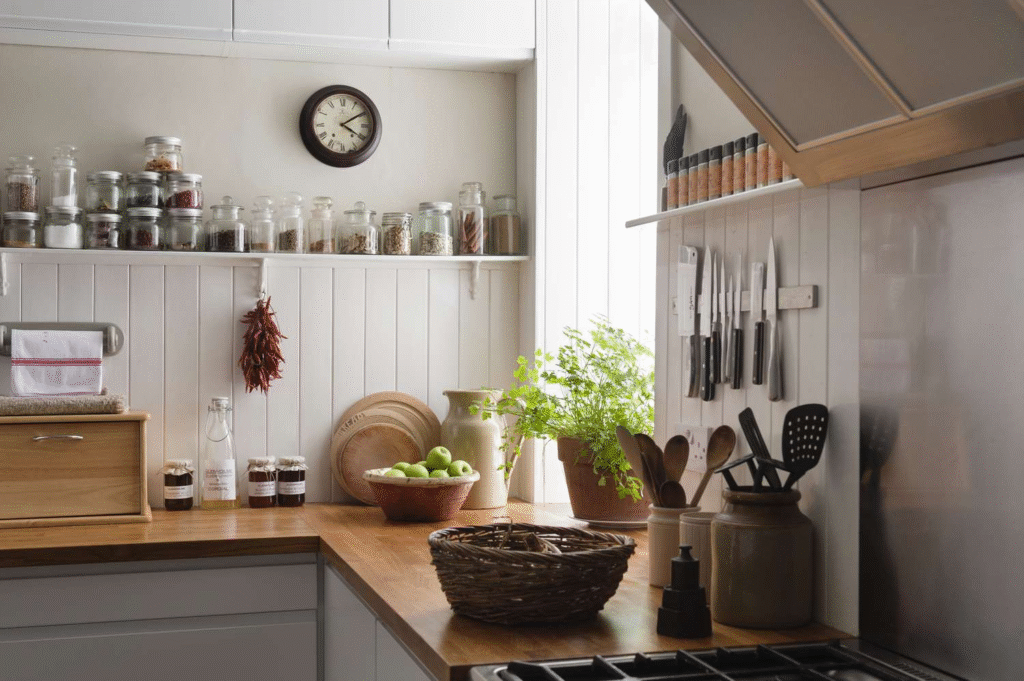
ALT Text: How to Create a More Functional Kitchen Without a Major Renovation
It’s possible that your kitchen looks beautiful but is still not a pleasant space to work. Crowded countertops, misplaced utensils, overflowing cabinets, and limited preparation space can make everyday cooking more difficult than it needs to be. But the important thing is, improving your kitchen doesn’t always mean new cabinets, expensive appliances, or a complete renovation.
The right organization methods, versatile cookware, and practical kitchen essentials can help you make better use of the space you already have. Read the full blog to learn more.
Table of Contents:
- 1. Organize Your Kitchen Around Your Daily Routine
- 2. Make the Most of Your Kitchen Storage and Essentials
- 3. Create a Dedicated Food Preparation Area
- 4. Improve Your Cooking Workflow
- 5. Make Cleaning Easier to Manage
- 6. Upgrade Small Details Instead of Replacing Everything
- Conclusion
- Frequently Asked Questions
1. Organize Your Kitchen Around Your Daily Routine
A functional kitchen should support the way you cook, clean, and move around. Rather than focusing on where everything looks best, arrange your kitchen to minimize unwanted movement during everyday tasks.
Begin by observing your daily cooking habits. If you regularly prepare breakfast, keep the essentials within easy reach. If you enjoy baking, arrange your baking tools and supplies together.
- Place everyday utensils near your main preparation area.
- Store often used plates, bowls, and glasses in accessible cabinets.
- Keep cooking oils and seasonings near your cooking area, away from direct heat.
- Move barely used appliances and specialty cookware into less accessible storage spaces.
Organizing your kitchen according to your routine can make common tasks simpler and help you move between preparation, cooking, and serving without always searching for supplies.
2. Make the Most of Your Kitchen Storage and Essentials
Limited storage does not always mean you need extra cabinets. Making better use of existing drawers, shelves, and cabinets can help you store kitchen essentials without overcrowding the space.
Look for ways to use existing cabinets, drawers, and countertops more effectively. Practical cookware, baking essentials, and everyday cooking tools can help keep frequently used things accessible without overcrowding your kitchen.
- Use drawer organizers to separate cooking utensils, measuring spoons, and small tools.
- Arrange pots, pans, and baking sheets vertically where suitable to make them easier to access.
- Keep mixing bowls, measuring cups, and other preparation tools in a separate cabinet.
- Use shelves or cabinet organizers to make better use of vertical storage.
When choosing kitchen essentials, prioritize versatile products that serve several purposes. A practical cookware set with different-sized pans can accommodate multiple cooking needs, while baking sheets and cooking accessories can be stored together to make better use of cabinet space. Selecting useful products that match your existing storage arrangements can help maintain an organized kitchen without requiring extra cabinets.
3. Create a Dedicated Food Preparation Area
Preparing ingredients becomes simpler when you have a clear, comfortable surface to work on. Even a small countertop can serve as an effective preparation area if you keep it free from unwanted items.
Remove decorative objects, unused appliances, and paperwork from the section of countertop you use most often. Keep cutting boards, measuring tools, and basic preparation utensils nearby rather than searching for them across the kitchen.
- Use a sturdy cutting board for chopping and assembling ingredients.
- Place measuring cups and spoons in an accessible drawer.
- Use a kitchen scale when precise ingredient measurements are required.
- Keep baking sheets and preparation tools together for easier access.
A kitchen scale can be especially helpful when following recipes that require accurate measurements. Similarly, baking sheets can support multiple cooking tasks, including roasting vegetables, preparing baked meals, and making cookies. Selecting useful, multipurpose kitchen essentials helps make preparation more efficient without adding unnecessary clutter.
4. Improve Your Cooking Workflow
A kitchen becomes simpler to use when preparation, cooking, and cleaning for the home are arranged logically. You do not necessarily want to change the layout to make these activities more convenient.
Try keeping food preparation supplies close to where you use them. Keep pots and pans near the stove, store mixing bowls near your preparation area, and keep dishwashing items beside the sink.
Also, review the cookware and tools you use daily. Versatile pans, appropriately sized baking sheets, and easy-to-clean utensils can simplify meal preparation. If you regularly cook different dishes, having the right pan for sautéing, simmering, or frying may help you avoid switching between unsuitable cookware.
Avoid overcrowding the cooking area. Keep knives turned inward, maintain clear spaces around hot surfaces, and store flammable materials away from heat sources.
5. Make Cleaning Easier to Manage
A kitchen that is easy to clean is usually easier to use. When cleaning supplies, dishwashing tools, and waste disposal arrangements are accessible, everyday maintenance becomes less demanding.
Think about making these small changes:
- Place dishwashing supplies together near the sink.
- Use designated containers for recycling and food scraps where practical.
- Wipe countertops after food preparation.
- Clean cookware promptly to avoid food residue from becoming difficult to remove.
- Avoid storing multiple items on surfaces that need regular cleaning.
Food safety should also be part of your routine. The USDA suggests washing hands and surfaces, avoiding cross-contamination, cooking food to safe temperatures, and refrigerating perishable foods promptly. Its food safety guidance offers helpful advice for maintaining a safer cooking environment.
6. Upgrade Small Details Instead of Replacing Everything
Not every kitchen improvement needs purchasing new products. However, replacing items that are worn out, tough to use, or no longer suited to your cooking habits can make everyday tasks more convenient.
Consider whether a small upgrade would solve a specific problem, for example, replacing a damaged utensil, selecting easier-to-clean cooking tools, or improving the lighting over your preparation area. If lighting is inadequate, adding suitable under-cabinet lighting might help illuminate preparation surfaces, provided it is installed safely and appropriately.
Before buying anything, assess what you already own. Removing unnecessary items, rearranging existing cookware, and making better use of cabinet space may solve the issue without spending money. A useful upgrade should improve convenience, durability, or usability instead of simply adding another item to your kitchen.
Conclusion
A more functional kitchen does not depend on costly remodeling. Better storage, versatile cookware, organized cooking essentials, and practical cleaning habits can improve daily convenience. Start with the areas that cause the most frustration, make small changes, and build on them over time. Thoughtful adjustments can help you create a kitchen that supports your routines without big renovation costs.
Frequently Asked Questions
How can I make a small kitchen feel less crowded?
What should I keep on my kitchen countertop?
Keep only items you use regularly, such as a coffee maker or essential cooking tools, while leaving enough space for food preparation.
How often should I reorganize my kitchen?
Review your kitchen organization every few months or whenever your cooking habits, household needs, or storage requirements change.
Are kitchen organizers worth buying?
They can be useful when they address a specific storage problem, but measuring your cabinets and drawers before purchasing helps avoid unnecessary or unsuitable products.
Related Posts