Ans: It is a document that outlines all the effective strategies for the county’s development.

How Does the County Integrated Development Plan Impact Your Home and Neighborhood?
Have you ever heard of the county integrated development plan? Well, it is the backbone of a nation’s upliftment. That is because when each county is fully developed, the nation becomes capable automatically. This plan is the roadmap for progress and advancement made by the local government.
Such projects are time-bound. They are completed within a fixed period of time. The aim is to make an area fully developed as per its capacity. This enterprise results in better living standards and extra comfort. There are other benefits as well to homeowners and local communities. Explore them all in this article. Also, learn about other key aspects.
Table of Contents:
- What is a County Integrated Development Plan?
- How CIDPs Affect Housing and Residential Areas
- Neighborhood Improvements Included in CIDPs
- What are the Key Components of a County Integrated Development Plan?
- Learning About the Goals and Objectives of a CIDP for Further Understanding
- Importance of Situational Analysis and County Profile in Developmental Processes
- How Can Homeowners Participate in Such County Development Work?
- Role of Civil Society and Stakeholders in Shaping CIDPs
- Does Law Enforce County Development Planning, or is it Just a Power Force?
- Funding, Budgeting, and Resource Mobilization in County Development Planning
- Seeing How CIDPs Can Affect Property Value
- Analyzing Major Challenges in CIDP Implementation
- Sustainability and Environmental Considerations During Planning
- Future of County Development and Homeowners
- Conclusion
- FAQs
What is a County Integrated Development Plan?

Do you ask, What is county integrated development plan? Well, it is nothing but a county’s 5-year to-do list. It is prepared for the welfare of the masses.
- Goals and ideas discussed in this document increase the quality of life. Every county integrated development plan (CIDP) is intrinsically for public welfare!
- All CIDP documents are highly consistent. That means all the current documents are prepared, according to the previous developments, ideas, or frameworks. This aspect is important.
- Without it, there will be no stability in goals and direction.
- Even if the government changes after the next election, the basic framework will not shift upside down.
- As a result, smooth, hassle-free development or societal upliftment becomes possible.
- Next, this policy covers all the major aspects of development, such as housing, residential construction, roads, utilities, education, and health. This makes this approach comprehensive. That is also why it is called integrated.
And, not just that, such projects are developed, giving equal importance to the problems and needs of all cities within the county.
How CIDPs Affect Housing and Residential Areas
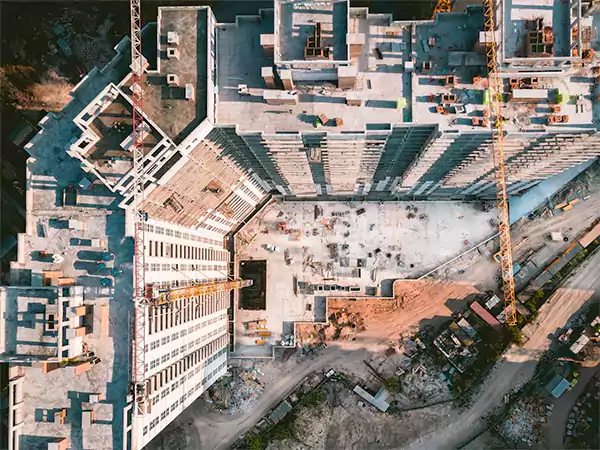
The county integrated development plans, or CIDPs, affect the new housing projects. Zoning and property development are also influenced. It decides where the new living units must be constructed and where not. Furthermore, these plans also decide if ongoing projects are legal. Should they be allowed to keep moving? Or should they be stopped at the moment for safety reasons?
Furthermore, such policies promote the best infrastructure and public facilities around the residential area. That means residents can enjoy the better roads, drainage, street lights, etc. All of it improves life and increases the resale values of properties. The better the amenities around are, the higher the value of a house becomes. That is true for all types of houses within the development zone.
Neighborhood Improvements Included in CIDPs
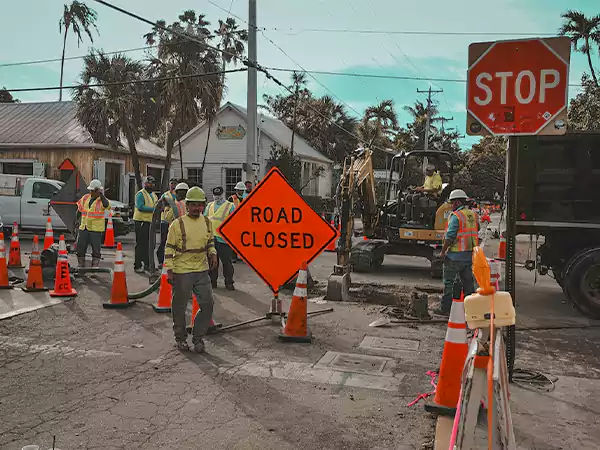
The most important aspect of all CIDPs is that they make your surroundings beautiful and functional.
- Parks and recreational areas are a major part of the development here.
- These are to keep the public healthy and active. Regular walks are often linked to improved mental health as well.
- Furthermore, public lighting and quality streets give way to hassle-free transit. You can drive your vehicle with peace of mind.
- That is not at all possible without a proper transport system. This aspect of the development is the key pillar of community strengthening and social infrastructure.
- The county policies next strengthen the water, electricity, and sanitation systems. That leads to clean and organized urbanization!
People can live in harmony with each other. Only because of it, people choose to invest in particular areas. For example, due to these positive changes, buyers can explore why Invest in Miami Florida Verenigde Staten.
What are the Key Components of a County Integrated Development Plan?
The county integrated development planning is a very tiring process. These projects affect the lives of many people. That is why every detail has to be carefully outlined. The real nature of the work cannot be understood only in words. For that, direct involvement is a must. The following are some major parts of this planning.
- First, the county’s current level of development is observed. That helps understand how much work the region needs. What should be further improved? And what can be changed for the better?
- In other words, the officials learn if the area needs complete upliftment. Or, some renovation and modifications will be enough! Then, plans are created accordingly and compiled under the vision and mission documents. All of it becomes the roadmap for future work.
- A county integrated development plan has a lot to do with making priorities and goals. That is because there are various conflicting interests. The county government has to take care of all of them with care. Many concepts even get rejected after approval. That usually happens due to a change in plans or new developments.
- For example, the USA’s old legislative buildings faced space problems for a long time. There wasn’t enough space for everyone to conduct the regular work. So, a new building was proposed. It was the Rayburn House Office Building Washington. The Rayburn increased the space for better. And the previous buildings became less important.
- All types of government projects require funds. Now comes the work of using the public money as best as possible. Public money is the most pressing responsibility. And as a result, the government has to spend every single penny carefully. But the story doesn’t end with effective budgeting.
Finally, proper monitoring and evaluation are also crucial. The work must be completed according to the decided standards. Without frequent checks and visits, minor complications can occur. That would turn into major problems later. So, more or less, that is what the entire planning process involves.
Learning About the Goals and Objectives of a CIDP for Further Understanding
A county development plan has two sides. One focuses on what needs to be done, while the other highlights the outcomes achieved. These plans are designed to ensure balanced growth and long-term progress. Overall, they are created to achieve the following objectives:
- Job creation: All govt. projects involve economic activities. As a result, various professionals get jobs and earn money. It supports their livelihood. All types of construction undertakings provide enough work opportunities. This aspect particularly helps low-profile members of society.
- Economic growth: A rise in economic activities means higher production. The higher the output is, the better the GDP value becomes. Ultimately, it all leads to an impressive economic growth. For an individual, it means a higher income and a better living standard.
- Sustainable development: Sustainability is a key objective of any county integrated development plan. Development should not focus solely on modernization but must also ensure long-term environmental balance. Projects that harm natural resources, such as excessive deforestation for infrastructure, can lead to pollution and climate issues, ultimately reducing the quality of life.
- Better infrastructure: People demand better roads, streets, lighting, and other facilities. It helps them commute easily, live in harmony, and lead a successful life. The county that doesn’t provide or maintain quality systems often fails. And the government is then replaced with a new face after the election.
Also Read: Commercial Dump Truck Insurance: Complete Overview for Truck Owners & Contractors
Importance of Situational Analysis and County Profile in Developmental Processes
These are the two unavoidable things when we discuss county integrated development plans. The officials understand how much work the region needs beyond what is already there. And then, accordingly, craft plans for future action. Without it, the right and effective projects cannot be brought.
For example, if a county already has a strengthened transit system, further investing in the same area is a total waste of time and money. Thus, first knowing what is already there and what new is needed is called situational analysis. This examination results in the true profile (reality) of the county. It helps in crafting the right plans for the area in question.
Such projects benefit the locals and key stakeholders most.
How Can Homeowners Participate in Such County Development Work?
Don’t just sit and wait for the development to happen around you. Step forward and take an active part. Attend various meetings and provide your feedback to the officials.
- Your understanding and requirements help the authority bring about the change you would love to have.
- Counties don’t just make plans in isolation and implement them. It is not a disconnected process.
- Rather, there are meetings at various stages to collect public opinions. The officials release draft plans for public review.
- And see how the masses react to them. They edit their plans as per the recommendations from people.
- You can be part of such an audience as well. All you need to do is attend public consultation meetings.
The biggest construction companies in the US must contribute to these meetings without fail. It will help professionals in the construction industry immensely.
Role of Civil Society and Stakeholders in Shaping CIDPs
Every country is just a lot of people put together. Their culture, way of living, and understanding define the nature of a nation.
- But it doesn’t mean that each person can be actively involved in the planning phase. It is just a matter of what is practically possible and what is not, even though desirable.
- Everyone’s voice should be heard, but there is a time limit.
- That is why the concept of representation came into existence.
- People choose a group out of them and let them handle welfare for themselves. That is what civil society and stakeholders do for the masses during public dealings.
- Community organizations, NGOs, and advocacy groups just take the voices of their people ahead. They share with the authorities what the masses want.
- Without them, communication cannot happen effectively between the public and the government.
This way, organized groups give way to inclusivity in government projects. And, also make the authorities accountable for their duties and the betterment of society.
Also Read: MEP in Construction: Meaning, Importance, Common Problems, Future Trends, and More!
Does Law Enforce County Development Planning, or is it Just a Power Force?
Like many people, you might be wondering why, even why, the county integrated development plans exist.
- Is there a law making them inevitable, and thus is the government compelled?
- Or is it just a political force that the party wants to win the hearts of the people who elected it?
- Well, both elements are there. But it is also a legally imposed procedure.
- The law requires that the county government bring effective development projects. Proper zoning and building regulations are the first condition for a modern civilization. Without them, land cannot be divided into residential, commercial, and industrial spaces strictly.
- As a result, there will prevail environmental clashes against human wants.
- Furthermore, to further check unwanted construction activities, proper permits and other limitations will not exist.
- Rich and powerful people would build wherever they want, damaging the rights of the underprivileged.
Thus, through county developmental planning, the government makes the best use of the available land and community resources. And it provides the best results for all of the residents.
Note: There is still another point of view as well. That is economical! The government brings about social welfare projects, which initiate construction activities. As a result, major construction company names are given a contract. And ample employment opportunities are created.
Funding, Budgeting, and Resource Mobilization in County Development Planning
We have amply discussed the question “What is county integrated development plan?” Now, let’s move on to the funding part of the process. Have you ever thought about who funds these government development projects?
- Well, the same people who elected them do so. The money that the government uses directly comes from individual tax payments.
- But the county authorities cannot use money from this public pool arbitrarily.
- They have to spend each part of the collection sparingly without waste. That is why the concept of budgeting is important.
- The authorities first analyze what the needs of the people are and then make policies. Afterward, the budget is prepared, and money is allocated to each project or plan on a priority basis.
- This is also the context of resource mobilization. Like money, skills, and expertise are dedicated to each project strategically.
Funds move from the high-priority to the low-priority items on the agenda. That is the only way to ensure maximum welfare out of the limited resources.
Seeing How CIDPs Can Affect Property Value
There is no doubt about it that the county integrated development plans affect property values positively.
- This is the first and most beneficial gift for owners from the county government. Here, the logic is very simple.
- The better and more improved the infrastructure of a residential or commercial region becomes, the higher its buildings’ value goes.
- Now, homeowners can have better resale values for their properties.
- For example, do you know what most buyers look for when buying houses, even though they have to pay extra?
- It is nothing, but better last-mile connectivity, nearby ATM facilities, proper water and electricity management, etc.
- They look for great amenities so that they can live easier and more comfortable lives. And that is what CIDPs ensure at the large scale.
So, if you are looking to buy a house, consider CIDP projects in that area first. It will help you learn how much the area becomes marketable in the near future. Because, as a result, resale value will rise significantly!
Analyzing Major Challenges in CIDP Implementation
Well, there are a variety of obstacles on the path of making an effective county integrated development plan and its implementation. First of all, delays in project funding are the biggest challenge. Without enough money, it becomes extremely difficult to carry on the developmental work.
Furthermore, most people don’t actively participate during public engagements. That means the government officials don’t have sufficient feedback to customize their plans. As a result, conflicts arise between the general public and government personnel.
Insights: The disparity between the plan and actual development is yet another complication! Sometimes, the corrupt behavior of the political parties and administrative staff hampers progress as well.
Also Read: Builders Risk Insurance: Everything You Must Know About
Sustainability and Environmental Considerations During Planning
Today’s world doesn’t need any concept more than sustainability. All of us must understand deeply that the environment has to be saved as much as possible. Nature and human needs must be considered in harmony for long-term benefits. That is why all CIDPs are sustainable and environmentally friendly.
The authorities protect and sustain green spaces throughout urban planning. Also, eco-friendly infrastructure projects are given importance. Besides, the latest technology is used in construction. That means better energy efficiency and a smaller carbon footprint. Public projects are often large-scale undertakings.
Therefore, they must be sustainable. Otherwise, environmental degradation will be out of control.
Future of County Development and Homeowners
As we have come to the finale of this article, let’s also take the future of the county integrated development plan into consideration. Human intelligence is at its peak. And the proof of that is the ongoing rapid technological improvement day in and day out.
Thus, the development processes are also bound to become smart, digital, and eco-friendly. Robotic s in construction will help minimize complications and human errors. And limited resources won’t get wasted. In short, the future is efficient and beautiful.
Conclusion
Whether you are a homeowner or planning to buy a house, understanding the county integrated development plan is inevitable. Many people buy houses where such development is about to happen. And that is why, after a few years, their home resale prices become so high. They get many-fold more than the actual purchase price. That is why each buyer should only invest in areas that are either considerably developed or about to be transformed under the pending CIDPs.
FAQs
Q: What is a county development plan?
Q: What is the purpose of CIDPs?
Ans: The primary purpose of the county development plans is to provide the best infrastructure and public facilities to the masses who elected the council.
Q: What are the 5 pillars of the development plan?
Ans: These are macroeconomic stability, investment climate, governance, social reforms, and environmental management.
Related Posts