Ans: It stands for mechanical, electrical, and plumbing engineering.

MEP in Construction: Meaning, Importance, Common Problems, Future Trends, and More!
In modern construction projects, there are several critical systems that need to be in harmony with each other in order to make sure that one building is safe, efficient, and reliable even on the very first day of its operation. These systems regulate heating and cooling, distribution of power, lighting, water supply and drainage, and transform a structure into one fit to be occupied. System layouts can overlap or conflict with the structural elements prior to commencement of construction resulting in difficulty in installation, higher costs and project delays. This is the place where MEP in construction comes in as this is considered to design all systems in an efficient manner that fit within the building layout during the first phase of construction.
Early coordination is useful in enhancing the performance of the system, minimizing waste, and facilitating ethe asy running of the project.
Table of Contents:
- What is MEP in Construction?
- What is the Importance of MEP in Construction?
- What are the Common Problems in the Installation of MEP Systems?
- What are the Effective Solutions for Common Problems in Installing the MEP Systems?
- How are MEP and Sustainability Connected?
- MEP as Used Across Different Project Types with Flexibility
- What Do Future Trends in MEP Hold?
- Conclusion
- FAQs
What is MEP in Construction?
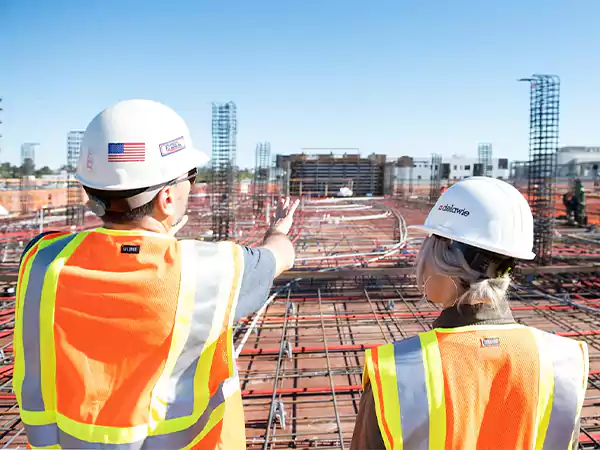
MEP in construction stands for mechanical, electrical, and plumbing engineering. These are the three core principles of every habitable building. Proper planning and installation of them make a living space highly functional. Consider mechanical, electrical, and plumbing, all three below in particular.
- Mechanical Engineering: Concerns itself with HVAC components, such as air handling units, chillers, boilers, ductwork, etc.
- Electrical Engineering: Handles power distribution, lighting, and communication-related aspects, such as circuit breakers, lighting fixtures, transformers, data cabling, etc.
- Plumbing Engineering: Manages water supply, sanitation, and drainage systems, specifically including portable water piping, sewage pipes, sinks, toilets, etc.
Each of these components, when planned and strategically installed together in residential or other construction types, is called MEP engineering. It helps prevent space conflicts and distressing inefficiencies during construction, which is especially important in projects like Commercial HVAC in Fort Worth.
What is the Importance of MEP in Construction?
Major points that reinforce the importance of MEP engineers are safety, comfort, energy efficiency, and cost impact. In short, such engineers or professionals manage how each functional unit must fit within a given framework in a construction project for the highest synergy and zero conflicts.
- Safety: MEP Mechanical Electrical Plumbing engineering helps prevent major conflicts, for example, a fire protection system getting in the way of unavoidable electrical or ventilation points. All types of houses need effective installation of safety systems, avoiding such clashes. And thus, MEP engineers help ensure that, with their expertise, they provide the highest safety so that each system works optimally without any interruptions.
- Comfort: The proper integration of the HVAC systems in a construction framework leads to comfortable interior conditions. Here, that means proper heating, ventilation, and temperature control. This comfort is achieved through MEP in construction.
- Energy Efficiency: All MEP designs promote sustainability by reducing energy consumption and thus minimizing the carbon footprint. It becomes possible through the proper use of HVAC and other components of key residential systems.
- Cost Impact: MEP design services reduce the construction costs significantly due to efficient material usage, low energy consumption during construction, and conflict prevention.
What are the Common Problems in the Installation of MEP Systems?
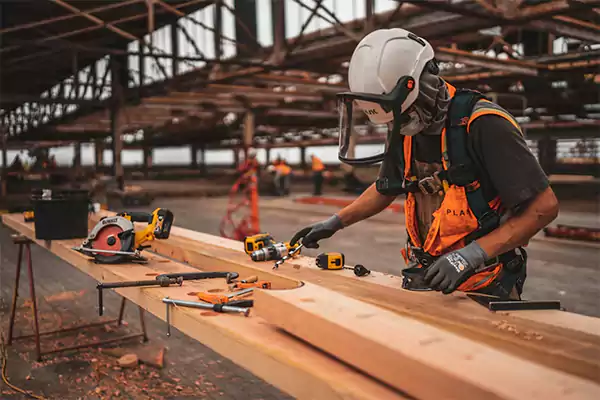
The most common problems related to the installation of MEP mechanical electrical plumbing systems are poor coordination, energy inefficiency, high maintenance costs, safety & compliance issues, and budget overruns.
- Poor coordination with the structure: Without a shared plan or proper communication, physical clashes between ductwork, pipes, conduits, and other components often sneak into the construction.
- Energy inefficiency: Not hiring an expert MEP engineering company often results in various inefficiencies. One major example of this is the high energy consumption requirement for HVAC systems due to inaccurate load calculation.
- High maintenance costs: Insufficient access to maintenance and repair, originating from poor long-term planning, culminates in high maintenance and repair charges. Many owners even have to rearrange the systems later due to such high expensesin MEP in construction.
- Safety and compliance issues: Unsafe installations often follow due to non-adherence to local building codes, national standards, or best practices. Thus, every professional in the field must be well-versed in the applicable rules and regulations. That is why project owners often prefer to hire from the biggest construction companies in the US, because it helps them ensure the highest standard of legal compliance and resulting safety.
- Budget overruns: When contractors don’t estimate the potential charges accurately, it leads to higher actual expenses. Thus, always ensure that the task of construction estimating is done accurately.
What are the Effective Solutions for Common Problems in Installing the MEP Systems?
The best solutions to the common problems related to the installation of MEP systems are mentioned in the following sections, namely, ensuring enough coordination, promoting energy efficiency, reducing the high maintenance costs with long-term planning, adhering to safety & legal compliance right from the beginning, and avoiding budget overruns with accurate estimation in MEP in construction. Consider these quick solution reference tables with the mentions of modern tools as well.
1. Poor Coordination with Structure
| S. No. | Solutions | Details |
| 1. | Practical solutions |
|
| 2. | Industry best practices |
|
| 3. | Modern tools |
|
2. Energy Inefficiency
| S. No. | Solutions | Details |
| 1. | Practical solutions |
|
| 2. | Industry best practices |
|
| 3. | Modern tools |
|
3. High Maintenance Costs
| S. No. | Solutions | Details |
| 1. | Practical solutions |
|
| 2. | Industry best practices |
|
| 3. | Modern tools |
|
4. Safety and Compliance Issues
| S. No. | Solutions | Details |
| 1. | Practical solutions |
|
| 2. | Industry best practices |
|
| 3. | Modern tools |
|
5. Budget Overruns
| S. No. | Solutions | Details |
| 1. | Practical solutions |
|
| 2. | Industry best practices |
|
| 3. | Modern tools |
|
How are MEP and Sustainability Connected?
Taking the discussion further from MEP problems and solutions, this section deals with how MEP engineering leads to better sustainability within MEP in construction. Consider this concept in the following three sections, namely the role of MEP in green buildings, energy & water efficiency via MEP, and smart and automated systems used in MEP.
1. Role of MEP in Green Buildings
MEP systems are known for converting raw structures into functional and eco-friendly spaces, mainly due to three approaches, i.e., green certification, energy & resource optimization, and the life-cycle approach.
- Green certifications: Without MEP design, no building can be certified and recognized as green through awards like LEED.
- Energy & resource optimization: MEP designs integrate renewable energy, high-efficiency HVAC, and sustainable materials, leading to sustainable construction activities.
- Life-cycle approach: Buildings that are well-developed through MEP principles are often long-term performance-friendly. It doesn’t just involve the efficient use of the materials during the construction, but also minimizes the consumption of energy over time.
2. Energy and Water Efficiency via MEP
MEP design services ensure energy and water efficiency with the help of smart MEP HVAC & lighting, high water conservation, and advanced thermal management.
- Smart MEP HVAC & lighting: The use of variable refrigerant flow (VRF), energy recovery ventilators (ERVs), and LED lighting as part of MEP in construction, with the maximum harvest of the daylight,t reduces the energy consumption, leading to high efficiency.
- High water conservation: Elements like low-flow fixtures, dual-flush toilets, greywater recycling, and rainwater harvesting significantly lower the water consumption. Such arrangements are very important in the cheapest as well as the most expensive house in America.
- Advanced thermal management: Quality insulation and the building’s conducive structure to high-energy conservation both lead to long-lasting temperature control with less energy. It leads to optimal thermal management.
3. Smart and Automated Systems Used in MEP
A MEP engineering company builds all types of constructions with the help of state-of-the-art equipment, such as smart MEP HVAC, automated lighting, smart MEP plumbing, and the energy recovery system.
- Smart MEP HVAC: Driven by artificial intelligence for automatic temperature control as per the specified conditions.
- Automated lighting: Equipped with motion sensors fully capable of dimming or turning off lights automatically when not needed, along with LED lights and daylight harvesting.
- Smart MEP plumbing: Includes low-flow fixtures, leak detection, and greywater/rainwater recycling for efficient water management.
- Energy recovery system: Deployed to capture and reuse waste heat from ventilation, ultimately reducing the load on HVAC.
All of them contribute to the making of the most functional and efficient unit.
MEP as Used Across Different Project Types with Flexibility
MEP designs are used across all types of construction projects, as they provide high energy efficiency and sustainability. The three major project types where MEP in construction is widely used are residential, commercial, and industrial.
- Residential construction projects: Split-level houses, rambler houses, tudor-style houses, condos, townhouses, etc.
- Commercial construction projects: Office buildings, retail & mixed-use, industrial buildings, etc.
- Industrial construction projects: Manufacturing plants & factories, oil & gas refineries, power plants, warehouses & distribution centres, etc.
Consider how MEP Mechanical Electrical Plumbing requirements change as per the construction type in the table below.
| S. No. | Requirements | Residential | Commercial | Industrial |
| 1. | Complexity | Low to moderate | High | Very high |
| 2. | HVAC Focus | Comfort, cost | Efficiency, air quality | Process, ventilation |
| 3. | Power Needs | 120/240V single-phase | 208/480V three-phase | Heavy 3Φ, high voltage |
| 4. | Plumbing | Simple, dispersed | Centralized, high-demand | Specialized/heavy duty |
| 5. | Codes | Local/residential | Stringent/ASHRAE | Specialized/industrial |
| 6. | Cost | Low (12-18% of cost) | Moderate (varies) | High (40-55% for Data Ctr) |
As a result, all the construction companies make sure that they employ versatile MEP engineers who are comfortable in handling all types of projects as per the varying demands of the clients.
What Do Future Trends in MEP Hold?
The future trends related to MEP in construction have multiple facets. In simple words, it will lead to smart buildings, IoT and automation, energy-efficient systems, and net-zero buildings.
- Smart buildings: Come with the ability to perform various tasks powered by AI-related automation.
- IoT and automation: Ensures automatic adjustments of lighting, HVAC, and ventilation-related conditions and features.
- Energy-efficient systems: Improve the heightened focus on reducing operational costs for significant savings in the long run.
- Net-zero buildings: Ensures that they generate as much energy as they consume, achieved through on-site renewables with smart grids and energy-recovery MEP designs.
Also Read: What is a Submittal in Construction? Learn How Submittals Work and Why You Need to Focus on Them
Conclusion
The MEP in construction is a type of development approach. Here, the entire focus is on building a well-planned structure where all the major parts of the mechanical, electrical, and plumbing systems work together optimally, without one causing interruptions to the other. The goal of this engineering is to provide a highly energy-efficient and functional space so that it becomes as habitable and comfortable as possible.
FAQs
Q: What does MEP stand for in construction?
Q: Is MEP a civil engineer?
Ans: No. MEP engineering is a specialization in the field of building engineering, whereas civil engineers are concerned with constructing civil structures, such as roads, infrastructure, highways, subways, etc.
Q: What is MEP & HVAC?
Ans: MEP means a type of building engineering where the optimal installation of mechanical, electrical, and plumbing systems is ensured for high-energy efficiency and maximum functionality. HVAC is a part of the electrical system in the MEP, and it stands for heating, ventilation, and air conditioning units.
Q: What are MEP systems in a building?
Ans: All the parts of the mechanical, electrical, and plumbing systems are collectively known as MEP systems.
Q: Is HVAC included in MEP?
Ans: Yes, HVAC is included in MEP.
Related Posts