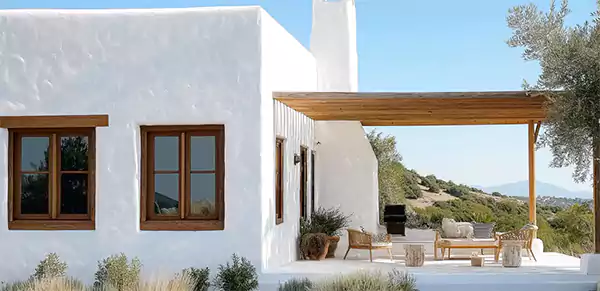
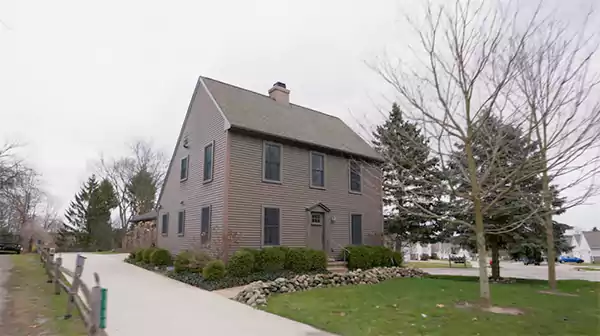
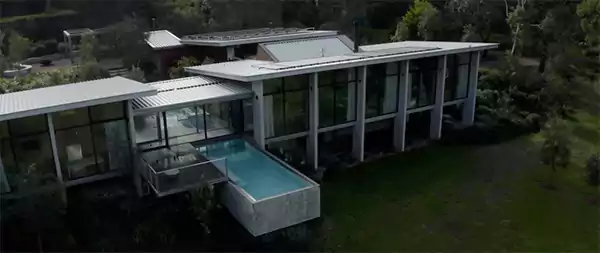
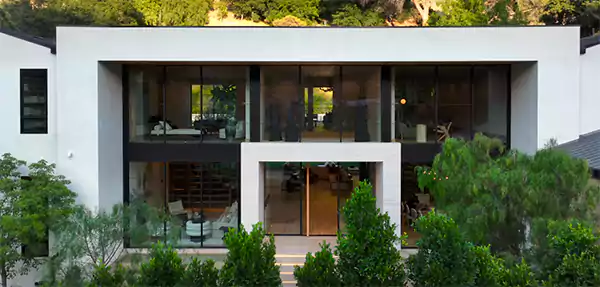
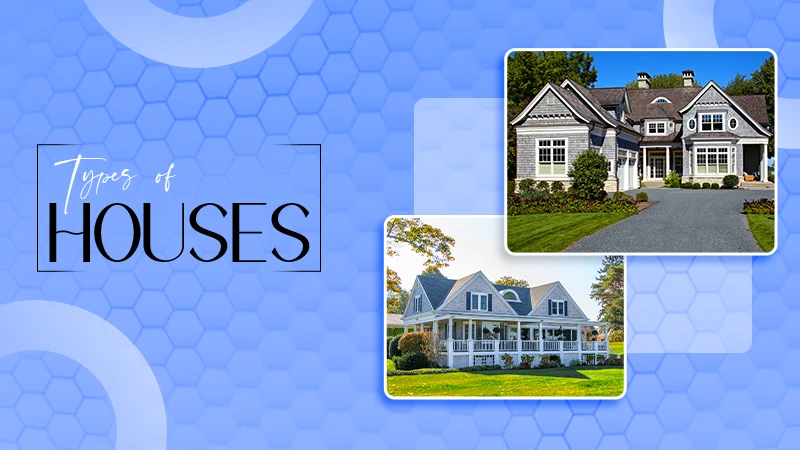
If you are one of those people who think that a house has nothing more than four walls and a ceiling overhead, this article is for you. This guide discusses 47 different types of houses that you can choose from and lead a comfortable life in.
Knowing all these unique construction designs will help you select the accommodation that suits your conditions and preferences best. So, consider the major categories of houses below, along with concise comparison tables.
The most commonly preferred traditional residential house types for families are single-family houses, multi-family homes, duplexes, townhomes, ranch houses, craftsman houses, colonial houses, farmhouses, tudor houses, victorian houses, and brownstones.
1. Single-Family House
Definition
A freestanding building, one of the most preferred residential house types
Key Features
Self-sufficient, detached (doesn’t share walls with other houses), & complete access to and ownership of the roof and land
Materials
Concrete, steel, wood, masonry, and stone
Pros
Enhanced privacy & customization, more space, & best resale value
Cons
High maintenance costs and often expensive
Common In
The USA, Canada, Mexico, Brazil, Argentina, the Caribbean islands, and Europe
2. Multi-Family Home
Definition
One of the residential house types where more than one family can live comfortably
Key Features
Multiple independent housing units within a single structure, and separate facilities, i.e., a kitchen, bathroom, and other areas
Materials
Wood, concrete, and standard roofing/siding substances
Pros
Best for rental income and high resale value
Cons
High prices and maintenance costs
Common In
The United States, Canada, and European countries
3. Duplex
Definition
One of the family types of houses where two separate residential units are present within a single structure
Key Features
One building, two self-sufficient living spaces, and the sharing of a common wall, floor, and ceiling
Materials
Concrete, bricks, steel, and wood
Pros
Potential for rental income, large structure, and best for two families
Cons
Noise transmission through the shared wall
Common In
The United States, Canada, Australia, and the UK
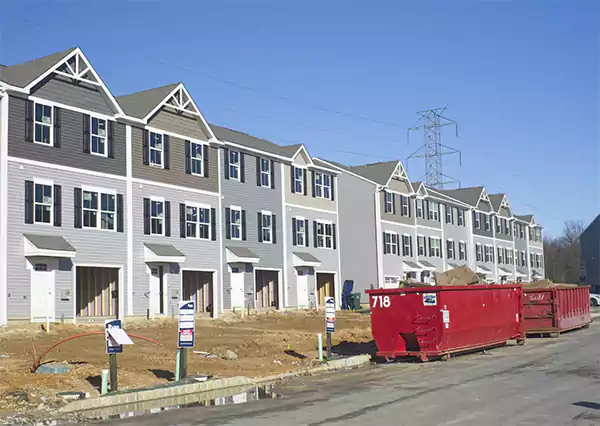
4. Townhome or Rowhome
Definition
An independent single-family house in a row of similar units
Key Features
Multi-level design, shared walls, individual ownership, & HOA for common area management
Materials
Wood, vinyl siding, bricks, stucco, asphalt shingles, and drywall
Pros
Affordable, low-maintenance costs, and access to common areas
Cons
Less privacy due to shared walls
Common In
The United States, Canada, and Australia
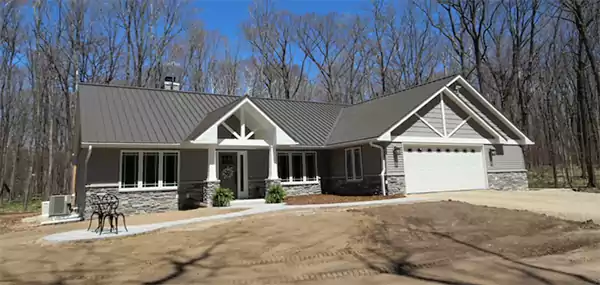
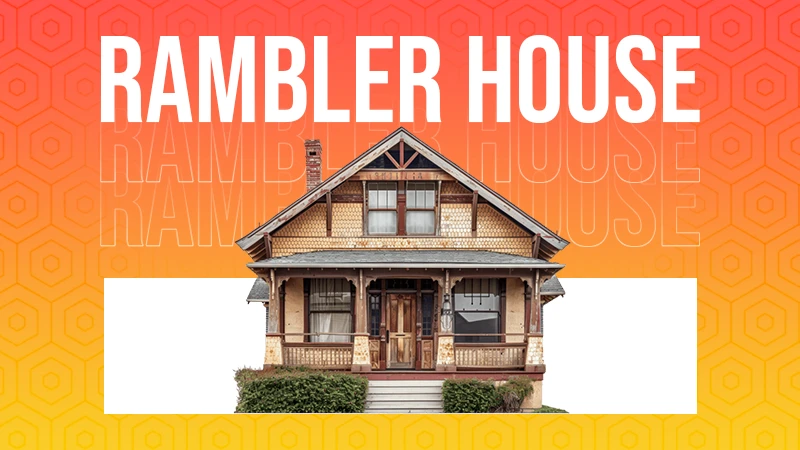
5. Ranch House
Definition
A domestic architectural-style home, almost similar to a rambler house
Key Features
Long, low-profile, open floor plan, no stairs, and single-story design
Materials
Wood, brick, stucco, glass, etc.
Pros
One of the highly accessible house types in the world, with adaptability and openness
Cons
Requires a large lot for construction
Common In
The United States, Canada, and Australia
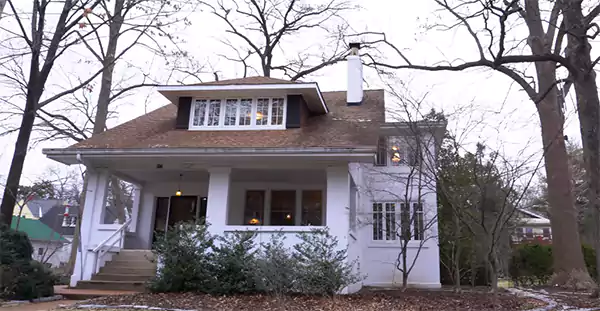
6. Craftsman House
Definition
A 1900-1930 popular American domestic architectural-style house
Key Features
Low-pitched gabled roof, wide overhanging eaves, exposed rafters/braces, etc.
Materials
Primarily wood, stone, and concrete
Pros
One of the durable types of houses, warm with curb appeal, and functional layouts
Cons
Outdated design and higher maintenance
Common In
The United States, Canada, Australia, and New Zealand
7. Colonial House
Definition
Colonial-style residential architecture originated from European designs
Key Features
A symmetrical facade, a centrally located front door, a steep gabled roof, etc.
Materials
Wood, concrete, stone, brick, and other locally available materials
Pros
Timeless, classic aesthetic with high resale value
Cons
Lack of openness and poor accessibility for people with mobility issues
Common In
The United States, especially the Northeast, the South, and the Midwest
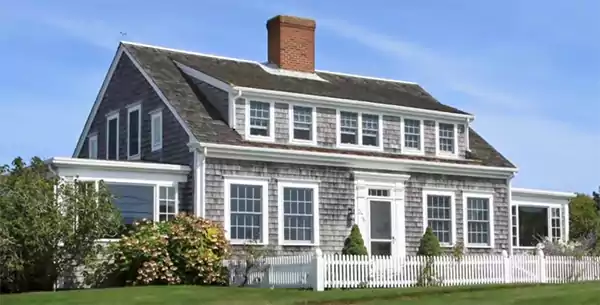
8. Cape Cod House
Definition
A rectangular, story-and-a-half home with a gabled roof
Key Features
Steeply pitched roof, large central chimney, symmetrical facade, etc.
Materials
Concrete, wood, stone, and brick
Pros
Compact design, low ceiling, and highly energy-efficient
Cons
The half-story upstairs, with limited headspace
Common In
The United States and New England
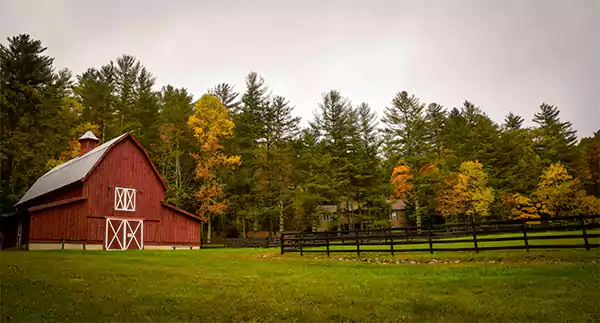
9. Farmhouse
Definition
A residential building on a farm
Key Features
Large, inviting porches and open-concept living areas
Materials
Wood, stone, brick, steel, etc.
Pros
One of the types of houses exhibiting durability, open plan, and connectivity with nature
Cons
Extensive upkeep
Common In
The United States, Canada, Europe, and Australia
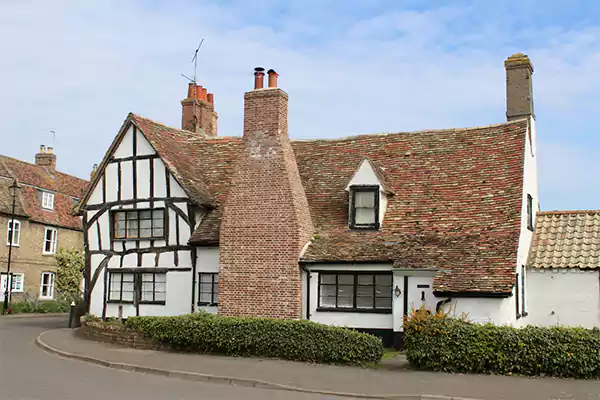
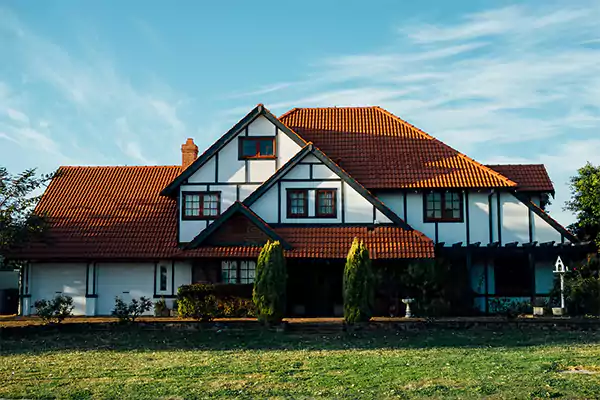
10. Tudor House
Definition
A home style mimicking late Medieval and early Renaissance English architecture is called a tudor style house
Key Features
Steeply pitched, multi-gabled roofs, and a large, ornate chimney
Materials
Brick, stone, stucco, and wood
Pros
Timeless aesthetic and cozy interior
Cons
One of the house types in the world featuring high initial construction and maintenance costs
Common In
England, Wales, and the United States
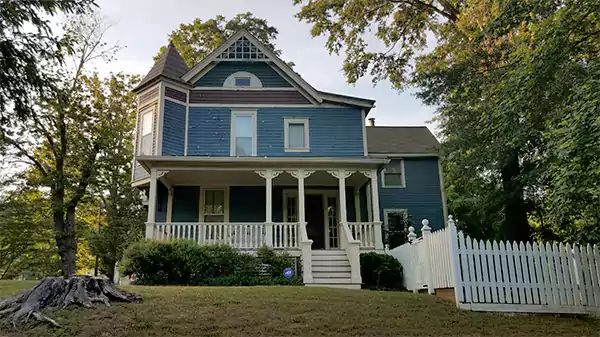
11. Victorian House
Definition
A time-specific residential architecture originated during the reign of Queen Victoria (1837–1901)
Key Features
Steep roof, elaborate trim, asymmetrical facades, and a prominent front-facing gable
Materials
Bricks, stone, wood, and other typical materials
Pros
Durable construction, unique architectural details, and spacious interiors with high ceilings are common features found in many types of houses.
Cons
Expensive to build and has a lower energy efficiency than a modern house
Common In
The United Kingdom, the United States, Canada, and Australia
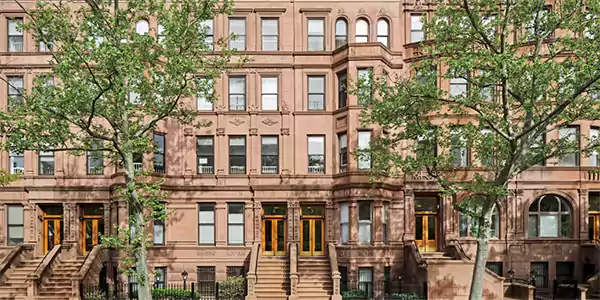
12. Brownstone
Definition
A type of townhouse, characterized by its reddish-brown sandstone facade
Key Features
Multi-stories, exterior staircase, shared side walls with adjacent homes
Materials
Brick, wood, stone, iron/steel, and concrete
Pros
One of the durable masonry house types in the world, and a classic architectural style
Cons
Expensive in posh locations and requires high maintenance
Common In
The United States, especially Brooklyn, Manhattan, and Boston
During modern times, residences have become more comfortable and functional, with an ever-increasing emphasis on higher sustainability and fewer inefficiencies. Some widely used and popular modern house styles are condominiums, apartments, modern houses, contemporary houses, and modern farmhouses.
If you are stuck between two choices of condominiums and townhouses, make sure you go through their pros and cons and key features first. A guide on condo vs townhouse will help you make an informed decision in this regard.
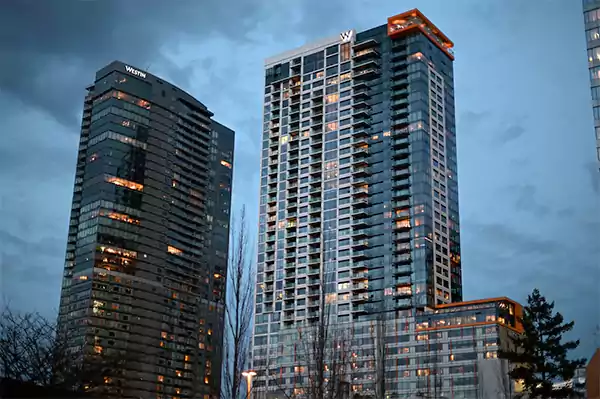
1. Condominium or Condo
Definition
A large, multi-story residential building with many living units, one of the most widely preferred house types in the world
Key Features
Privately owned individual units, in the same structure, and shared ownership of the common area, and defined community living are characteristics of certain types of houses
Materials
Concrete, steel, wood, and standard modern finishes
The United States, Canada, Latin America, Europe, and Asia
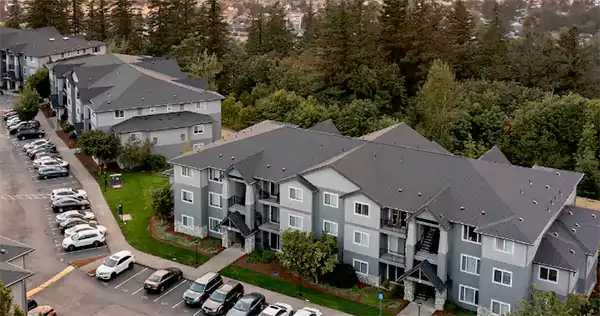
2. Apartment
Definition
One of the several self-contained housing units in a common building, usually one on each floor or level
Key Features
Part of a multi-unit building with shared common spaces, i.e., stairs, rooftop, etc., & the shared ceiling and the floor
Materials
Concrete, steel, wood, and drywall
Pros
Lower upkeep-related expenses, shared amenities, and an urban area location
Cons
Less privacy
Common In
The United States, Canada, Europe, and Asia
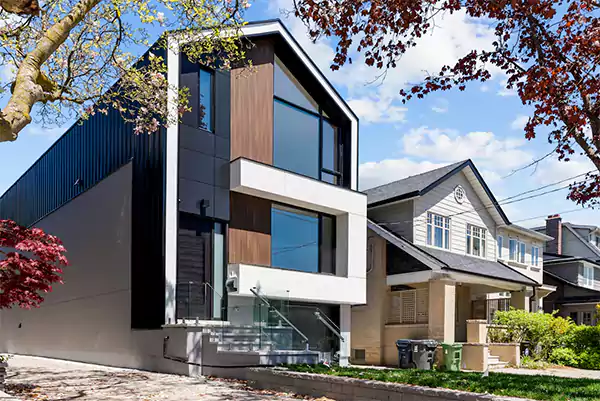
3. Modern House
Definition
Any type of residential structure built from the early to mid-20th century
Key Features
Open floor plans, flat or low-pitched roofs, and large expanses of glass
Materials
Concrete, steel, wood, stone, etc.
Pros
Imbued with modern house styles, ample natural light, flexible living spaces, and energy efficiency
Cons
High maintenance and a lack of privacy in a highly transparent design
Common In
The United States, Northern Europe, and Israel
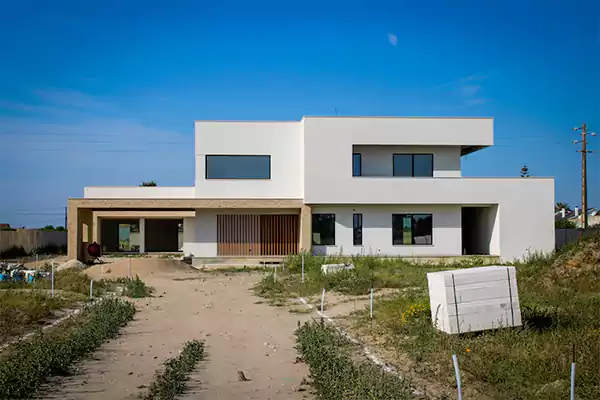
4. Contemporary House
Definition
A residential structure without elaborate ornamentation and unnecessary detail
Key Features
Lots of glass, open floor plans, and inventive design
Materials
One of the types of houses made up of wood, stone, concrete, steel, and glass
Pros
High-energy efficiency, open spaces, and adaptable layouts
Cons
Higher upfront construction costs and a lack of warmth
Common In
The United States, Canada, the United Kingdom, Germany, Scandinavia, and Australia
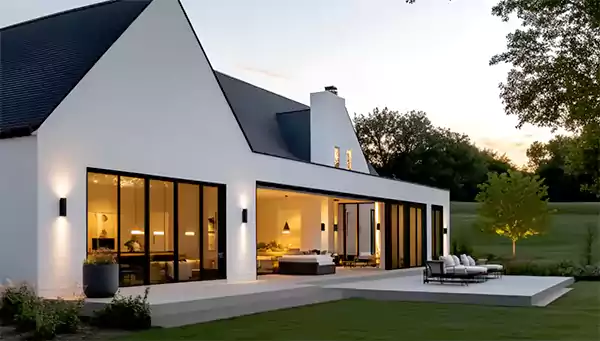
5. Modern Farmhouse
Definition
One of the modern house styles that blends rustic charm and simplicity with modern principles of architecture
Key Features
Open plans, vaulted ceilings with exposed wooden beams, large covered porches, etc.
Materials
Wood, metal, stone, brick, large window glass, etc.
Pros
Bright, open, and comfortable atmosphere, strong connection to nature, etc.
Cons
High-cost construction
Common In
The United States and Canada
Small and Compact Types of Houses
Manufactured homes, mobile homes, accessory dwelling units, cottage houses, A-frame homes, and cabin houses aren’t just small but comfortable as well, especially for individual living; thus, they are also included in the minimalistic house styles list.
Most DIY enthusiasts always pick one of these projects to build and enjoy living in a self-constructed dwelling. So, if you find your inspiration here, make sure you know all the essential steps to building a house in advance for maximum efficiency.
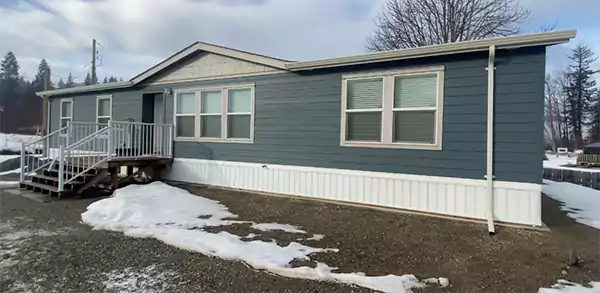
1. Manufactured Home
Definition
A factory-built residence, constructed as per the federal HUD code
Key Features
Built in a controlled environment, transported to the site on a permanent chassis, & much more affordable than site constructions
Materials
Wood, steel, drywall, standard insulation, and other items used in constructing various residential house types
Pros
Faster construction time and energy efficiency
Cons
Zoning/placement restrictions
Common In
The United States & Australia
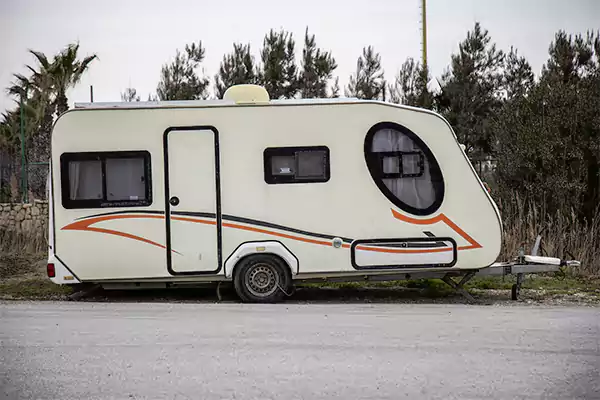
2. Mobile Home
Definition
A prefabricated dwelling built in a factory
Key Features
One of the affordable types of houses, quick construction, and variety in options
Materials
Lightweight materials such as steel, wood, & metal
Pros
Lower cost than the site construction, and faster move-in times
Cons
Depreciation over time
Common In
The United States and Europe
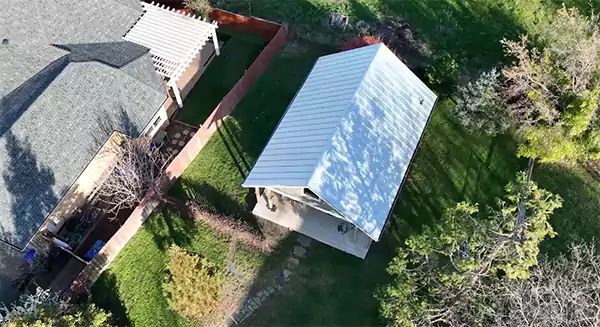
3. Accessory Dwelling Unit (Adu)
Definition
A smaller, self-contained housing unit located within the same lot as a primary single-family home
Key Features
Independent living provisions & a separate entrance
Materials
Wood, steel, concrete, bricks, etc.
Pros
Rental income benefit, higher resale value, and a guest-friendly arrangement are advantages offered by certain types of houses
Cons
Higher upfront construction costs
Common In
The United States, Canada, and any part of the world, facing housing shortages.
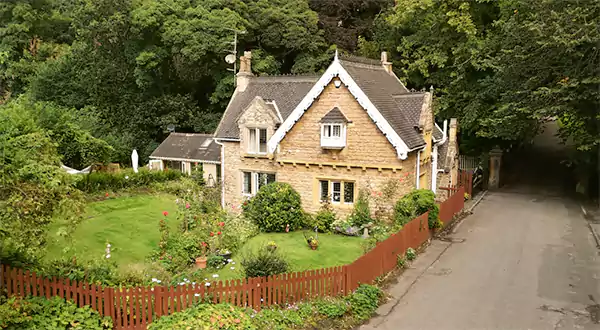
4. Cottage House
Definition
A small, cozy, and rural house, like most modern house styles
Key Features
Compact layout, pitched roof, and cozy interior
Materials
Bricks, stucco, stone, wood, etc.
Pros
Energy-efficient layout and minimalistic structure
Cons
Limited square footage, and thus less storage
Common In
The United Kingdom, the United States, Europe, and Canada
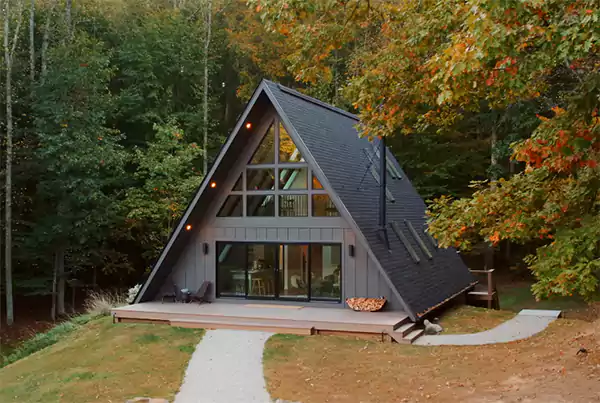
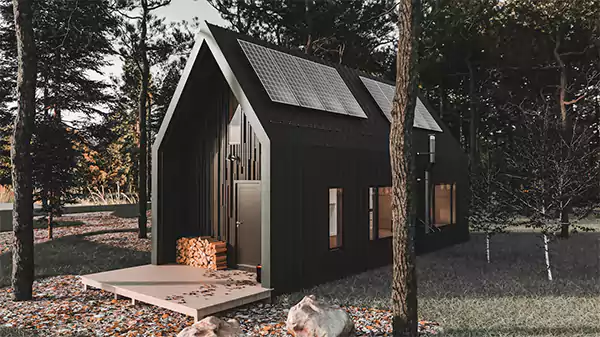
5. A-Frame House
Definition
A triangular-shaped house with a roofline, one of the minimalistic types of houses
Key Features
High, vaulted ceilings, a steep-sloped roof, and a prominent triangular front look
Materials
Wood, asphalt shingles, metal sheeting, and glass for the large windows
Pros
Unique look, durable, efficient use of the space, and compact build
Cons
Sloped roof, hampering the maximum space utilization
Common In
The United States, Canada, Northern Europe, Japan, and New Zealand
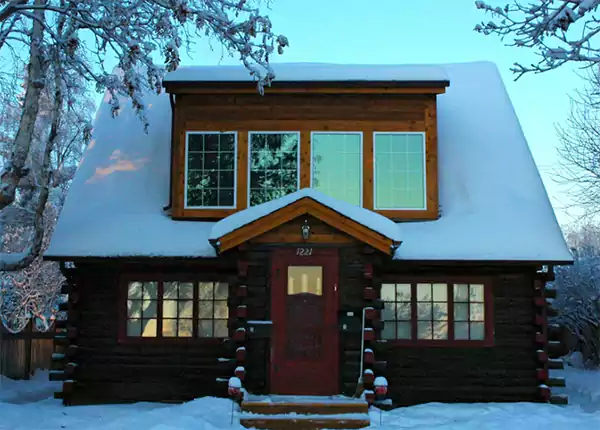
6. Cabin House
Definition
A cabin is a small, rustic structure typically made from logs or wood
Key Features
Simple construction, wood-dependent build, and constructed in secluded locations
Materials
Counted among the wood-based house types in the world
Pros
Minimalistic design, excellent natural insulation, and durable structure
Some luxurious and modern house styles that are also discussed in the context of residential construction are, namely, Spanish revival houses, bungalow-style houses, neoclassical-style houses, Italianate-style houses, antebellum-style houses, and shingle-style houses.
If you are planning to build any of these construction types for large living, make sure you hire one of the biggest construction companies in the US or in your place. It would help cut back on major inefficiencies and thus create a residential place you would love to live, rest, enjoy, and grow in.
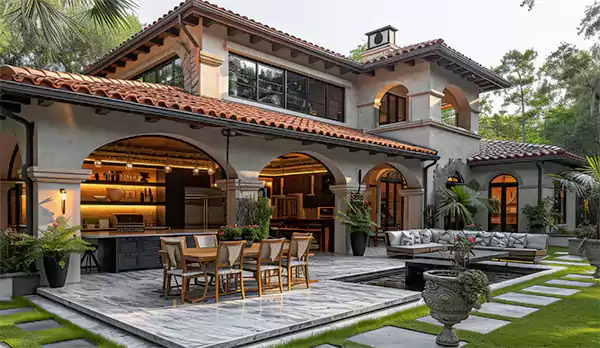
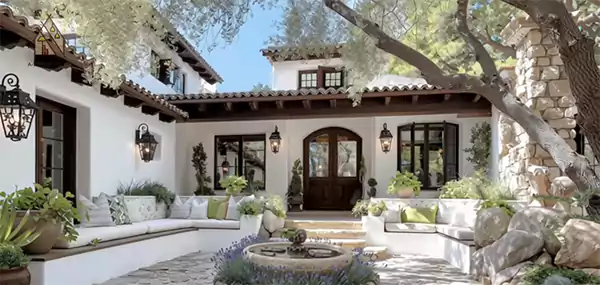
1. Spanish Revival House
Definition
A popular architectural style originating in early 20th-century America
Key Features
Red-tiled roofs, white or stucco walls, arches, decorative ironwork, and courtyards
Materials
One of the types of houses made from wood, stone, brick/concrete, iron, stucco, plaster, etc.
Pros
Durable and well-suited for hot climates
Cons
Expensive and additional effort for high-energy efficiency
Common In
The United States, Mexico, Spain, and Italy
2. Bungalow-Style House
Definition
A small, single-story house, occasionally featuring a half-story or attic
Key Features
A low-pitched roof, a wide front porch, and an open floor plan
Materials
Wood, brick, stucco, and stone
Pros
Single-story living and compact designs
Cons
Smaller construction compared to multi-story homes
Common In
North America, the United Kingdom, Australia, New Zealand, India, and South Africa
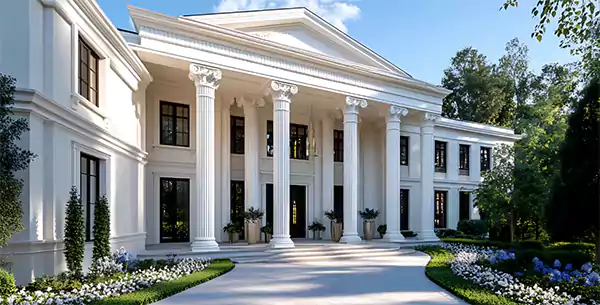
3. Neoclassical-Style House
Definition
A style of residential architecture, prominent from the mid-18th to the 19th centuries
Key Features
Grand scale, imposing facades, symmetry, tall columns, and triangular pediments
Materials
One of the types of houses constructed using brick, stone, stucco, and wood
Pros
A timeless, elegant, and grand aesthetic with symmetrical layouts
Cons
Costly construction
Common In
The United States, France, the United Kingdom, Russia, and Germany
4. Italianate-Style House
Definition
A house design drawing inspiration from Italian Renaissance villas and picturesque farmhouses
Key Features
Among low-pitched or flat roof types of houses with wide overhanging eaves and tall windows
Materials
Brick, wood, and stucco with iron for decorative details
Pros
Visually grand appearance and spacious interior
Cons
High maintenance costs
Common In
The United States, the United Kingdom, Australia, and New Zealand
5. Antebellum-Style House
Definition
A large, classically designed residence built in the American South before the Civil War
Key Features
A symmetrical front, large columns, and an elevated first floor
Materials
Red brick, wood, and plaster
Pros
One of impressive house types in the world with high-quality, durable construction
Cons
Extensive maintenance needs
Common In
The United States, especially across the American South
6. Shingle-Style House
Definition
An American architectural design featuring continuous shingled surfaces
Key Features
Asymmetrical form and continuous wooden-shingle flow over walls and roof
Materials
Wood, stone, brick, metal, plastic, etc.
Pros
Excellent durability and low maintenance, thus included in the economical house styles list
Cons
Irregular shapes
Common In
New England and the United States
Culture or Region Specific Types of Houses
Split-level houses,Queen Anne-style houses, country French houses, Georgian houses, Greek revival houses, Gothic revival houses, Mediterranean revival houses, prairie-style houses, Federal-style houses, and Spanish colonial houses are major architectural masterpieces in the developed countries; thus, often included in the cultural or regional house styles list.
Cultural or regional houses are the best when it comes to adapting to the climate conditions. In cold places, such architectural designs offer a warm and cozy living experience, while in hot regions, the energy efficiency focuses on keeping the space cool and comfortable.
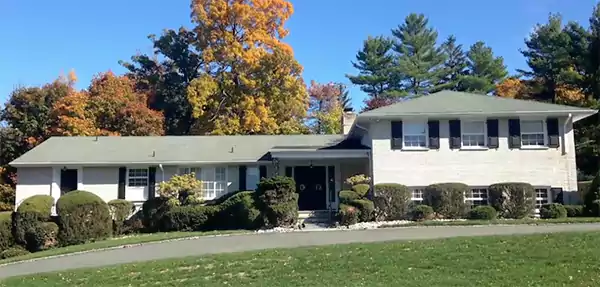
1. Split-Level House
Definition
A home design with divided floor levels connected by short flights of stairs
Key Features
Asymmetrical facades, low-pitched roofs, large windows, attached garages, and minimal ornamentation are defining features of certain types of houses
Materials
Stone, brick, concrete, wood, and other materials
Pros
Efficient use of space, functional compartmentalization, and more affordable than traditional homes
Cons
Floor inaccessibility for people with mobility issues due to stairs
Common In
The United States and Australia
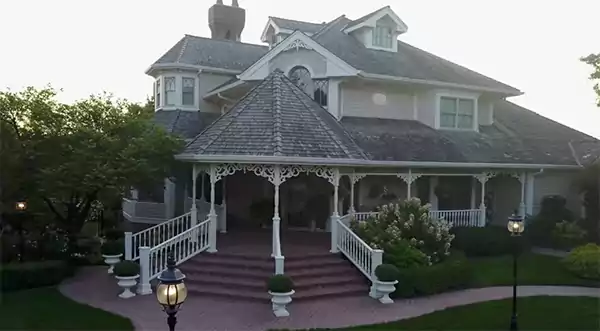
2. Queen Anne-Style House
Definition
A residence design belonging to the 1880-1910 period, counted among the timeless popular house styles list
Key Features
Highly decorative and asymmetrical design
Materials
Wood shingles, clapboard, decorative half-timbering, brick, and stones
Pros
Spacious, distinctive looks, varied floor plans, and large porches
Cons
Costly maintenance and repair
Common In
The United States, Canada, and Australia
3. Country French House
Definition
A rustic architectural style that originated in rural France
Key Features
Timeless, provincial charm, asymmetrical facades, and practical design
Materials
Stone, stucco, wood, terra cotta roof tiles, and iron
Pros
One of the durable and low-cost-maintenance types of houses
Cons
Higher initial construction costs and complex rooflines
Common In
France, the United States, Canada, and Australia
4. Georgian House
Definition
A classical style architecture named after the four King Georges of Great Britain
Key Features
Symmetrical front with five windows, a central paneled front door, and a side-gabled roof
Materials
Brick, stone, and timber
Pros
Elegant proportions and orderly appearance
Cons
Might lack open-plan living spaces
Common In
The United Kingdom, the United States, Canada, and Australia
5. Greek Revival House
Definition
A residential construction style inspired by ancient Greek temples and classical ideals of democracy and order (1820–1860) in America
Key Features
A front-facing gable, hipped roof, bold columns, a wide porch, etc.
Materials
One of the house types in the world made from brick, stone, wood, marble, and metal
Pros
Timeless aesthetic, easy-to-construct design, and large, well-ventilated interiors
Cons
Wooden parts requiring intensive care for rot prevention
Common In
The United States and the United Kingdom
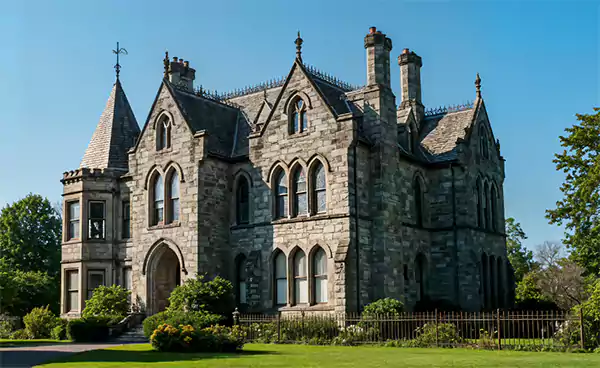
6. Gothic Revival House
Definition
A medieval Gothic architectural design that revived in the 18th and 19th centuries
Key Features
Steeply pitched gable roofs, pointed arch windows, decorative wooden trim, and towersare hallmark features of certain types of houses
Materials
Stone, brick, wood, iron, and steel
Pros
Charming look, durable build, and natural-light maximization
Cons
Complex and expensive maintenance
Common In
The United Kingdom, the United States, Canada, and Australia
7. Mediterranean Revival House
Definition
A residential construction design popularized in the US during the 1920s and 1930s
Key Features
Low-pitched red tile roofs, stucco walls, arches, ornate details, and spacious interiors
Materials
Stucco, concrete blocks, clay tiles, etc.
Pros
Durable, well-suited for warm climates, and energy efficient
Cons
Expensive and labor-intensive construction
Common In
The United States, Spain, and Italy
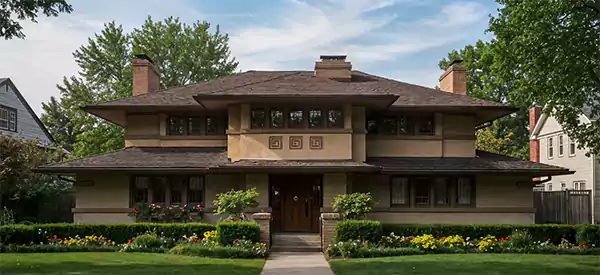
8. Prairie-Style House
Definition
A unique style of residential construction originated in the late 19th and early 20th centuries
Key Features
Strong horizontal lines, low-pitched or flat roofs, wide overhanging eaves, etc.
Materials
Wood, brick, concrete, stucco, and stone
Pros
Connection to nature, abundant natural light, and timeless aesthetic
Cons
One of the types of houses that are expensive to construct
Common In
The United States, particularly Illinois, Wisconsin, and Iowa
9. Federal-Style House
Definition
A refined architectural 1780-1830 U.S. design with neoclassical elegance
Key Features
A strict symmetrical front, a central front door, and low-pitched roofs
Materials
Brick, wood, stone, and granite
Pros
Timeless elegance and long-lasting functional build
Cons
Counted among the house types in the world that lack modern open floor plans
Common In
The United States, particularly the Northeast and Mid-Atlantic regions
10. Spanish Colonial House
Definition
A style of architecture developed in the colonies of the Spanish Empire as one of the comfortable residential house types
Key Features
Stucco exteriors, red-tiled roofs, courtyards, arched entryways, etc.
Materials
Adobe, stucco, clay tiles, heavy wooden beams, etc.
Pros
Excellent heat resistance and rustic feel
Cons
Labor- and cost-intensive maintenance
Common In
Mexico, the Southwestern United States, Colombia, Peru, and Ecuador
Eco-Friendly & Sustainable Types of Houses
The best four sustainable and nature-friendly residential house types are cooperative housing units, tiny homes, Mediterranean houses, and saltbox houses. Out of these structures, a tiny house and a saltbox house boast the best designs, considering how efficiently they manage a complete household unit within a small space.
Moreover, there is high-energy efficiency, and also a tiny house costs less than a traditional unit, resulting in one of the most affordable construction types.
1. Cooperative Housing or Co-Op
Definition
A building with self-contained units where all the residents collectively own the property through a corporation
Key Features
Collective ownership, democratic member control, and financial obligations to maintain the common areas
Materials
Bricks, concrete, steel, and wood
Pros
Lower cost of purchase as compared to a condo
Cons
Less autonomy and flexibility
Common In
The United States, Canada, & various European nations; one of the most popular types of houses in expensive localities
2. Tiny Home
Definition
A compact residential dwelling, typically less than 400 square feet
Key Features
Efficient use of space, multi-functional design, and single-story structure
Materials
One of the types of houses made of wood, steel, metal, and SIPs, i.e., structural insulated panels
Pros
Reduced living costs related to accommodation, lower environmental impact, flexibility, and minimalistic design
Cons
Limited space, complex zoning regulations, and low resale value
Common In
The United States, Canada, Australia, New Zealand, the United Kingdom, and France
3. Mediterranean House
Definition
A residential design from the Mediterranean basin prioritizing outdoor living and climate adaptation
Key Features
Stucco walls, terracotta roof tiles, arched doorways, and windows
Materials
Adobe/masonry, natural stone, stucco, and wood
Pros
Well-suited for warm climates and durable
Cons
Inappropriate in colder climates
Common In
Spain, Italy, Greece, California, and Florida
4. Saltbox House
Definition
An irregularly shaped house style famous in colonial New England, also counted in the minimalistic house styles list
Key Features
A flat front face, a central chimney, and the typical long, gently sloping rear roof
Materials
Timber frame (or post-and-beam construction)
Pros
Durability, a shedding-friendly roof, and a spacious interior
Cons
Inefficient use of the space due to the sloping rear wall
Finally, let’s discuss the architectures included in the unique house styles list. Namely, these designs are mid-century modern-style houses, modern Scandinavian-style houses, brutalist houses, and barndominium houses.
Furthermore, their different exterior appeal might separate them from the category of traditional homes, but the designs don’t miss the core of residential construction.
1. Mid-Century Modern-Style House
Definition
A residential structure based on functionality and simplicity rather than only aesthetics or looks
Key Features
Clean lines, flat-low roofs, expensive footprints, and open plan
Materials
One of the types of houses made from concrete, wood, stone, steel, and glass
Pros
Cultural architecture, functional design, and efficient use of space
Cons
Higher cost and potential inaccessibility
Common In
The United States, Canada, Australia, and the United Kingdom
2. Modern Scandinavian-Style House
Definition
A residential layout strongly rooted in functionality, simplicity, and connectivity to nature
Key Features
Clean lines, a minimalist aesthetic, natural light maximization, and open, airy spaces
Materials
Stone, wood, and glass
Pros
Bright, serene, and highly functional residential unit, like most modern house styles
Cons
Minimalistic looks
Common In
Denmark, Sweden, Norway, Finland, and Iceland
3. Brutalist House
Definition
A style of property with a special focus on functionality over aesthetics
Key Features
Massive, block-like forms, raw concrete surfaces, and a fortress-like appearance
Materials
Rough concrete, brick, glass, steel, and rough-hewn stone
Pros
Durability, strength in structure, and functional
Cons
Such types of houses exhibit low visual appeal
Common In
The United Kingdom, France, the United States, Canada, Australia, etc.
4. Barndominium House
Definition
An open-concept building, made from either metal or wood
Key Features
Open layouts, high ceilings, large covered porches, and metal exteriors
Materials
Either metal or wood, as one of the minimalistic types of houses
Pros
Highly durable, energy-efficient, and fast construction
Cons
Low aesthetic and resale value
Common In
The United States, especially in rural and suburban regions
Comparisons Among the Most Common House Types in the World
If you are confused as to which option to decide on from the types of houses discussed above, the following differences between architectural house styles have been highlighted for you. Consider the tables below, and make an informed decision. These architectural designs boast almost all the features of the most expensive houses in America without compromising on the average square footage of a house.
Small vs Large Houses
Types ➡️ Differences ⬇️
Small Houses
Large Houses
Average Size
200-400 square feet
3,000 to 4,000+ square feet
Best for
Single use
Family use
Cost
$30,000 to $60,000
$300,000 to $750,000
Major House Types
Manufactured homes, mobile homes, accessory dwelling units, cottage houses, etc.
Spanish revival house, bungalow-style house, neoclassical-style house, Italianate-style house, etc.
Condominiums, apartments, modern houses, contemporary houses, modern farmhouses, etc.
Sustainable vs Uniquely Structured Houses
Types ➡️ Differences ⬇️
Sustainable Houses
Uniquely Structured Houses
Average Size
Usually small
Small, medium, or large
Best for
Rural families or environmentalists
Best for the lovers of brutalist architecture
Cost
$200,000 to $600,000
Depends on the project, starting from $350,000
Major House Types
Cooperative housing, tiny houses, Mediterranean houses, etc.
Mid-century modern-style house, modern Scandinavian-style house, and brutalist houses.
Conclusion
Constructing or purchasing a house is an expensive process. Thus, being conscious of your choices in advance is inevitable. Always pick a tiny and sustainable living unit if you just require it for single-person use. A small space will not just help you reduce the cost of construction or purchase, but also bring the overall cost of living down substantially. As a result, you can make your life minimalist, fulfilling, and rich.
FAQs
Q: What are the different types of houses?
Ans: There are different types of houses that can be classified into five major categories, such as traditional, modern, large, sustainable, and cultural or regional, as discussed in this article.
Q: What are the 10 types of houses?
Ans: The top 10 traditional family houses included here are as follows.
Single-Family House
Multi-Family Home
Duplex
Townhome or Rowhome
Ranch House
Craftsman House
Colonial House
Cape Cod House
Farmhouse
Tudor House
Q: What are the six types of houses?
Ans: Traditional, modern, large, sustainable, uniquely structured, and cultural or regional are the six types of residential construction categories.
Q: What are the names of the houses?
Ans: Based on the history, size, and purpose of use, a specific name is attributed to a particular residential construction. These are the names of the houses in general. Go through this article for major house types.
Q: What are the 5 types of real estate?
Ans: Residential, commercial, industrial, mixed-use, and land are the 5 main forms of real estate.