5 Decking Decisions to Make for Singapore Outdoor Spaces
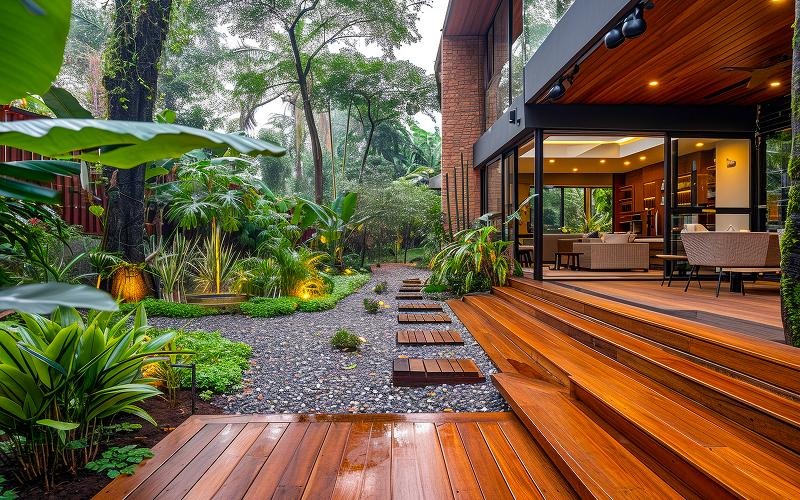
Outdoor spaces in Singapore need materials suited to warm, humid, and wet conditions. Homeowners considering decking in Singapore may compare timber and composite options based on appearance, maintenance, and how the area will be used.
Investing in quality decking transforms an ordinary balcony, patio, or terrace into a functional and inviting extension of your living space. Selecting the right outdoor flooring material requires balancing aesthetics, long-term durability, and maintenance expectations to ensure your investment stands up well to local environmental conditions.
Timber can create a natural outdoor appearance, and other decking materials can offer different maintenance characteristics. The right decision depends on the property and the function of the space.
Before choosing a specific material or layout design, it is important to review the entire scope of the project, including the site’s exposure, structural drainage requirements, maintenance schedule, and complete installation budget. Taking the time to evaluate these key considerations early in the planning stage helps prevent unexpected issues and ensures a long-lasting, beautifully finished outdoor deck.
| TABLE OF CONTENTS Decide How The Space Will Be Used Assess the Outdoor Environment Compare Timber With Other Options Review Maintenance Plan Installation and Budget Frequently Asked Questions |
1. Decide How the Space Will Be Used
Start with the purpose of the deck. A balcony for occasional seating has different requirements from a large terrace used for dining and entertaining.
An outdoor area designed primarily for quiet family relaxation requires different structural considerations than a high-traffic terrace hosting large dining sets, heavy planters, or frequent social gatherings. Planning the layout with proper spatial flow ensures comfortable movement around doors, furniture, and garden spaces.
Consider furniture, foot traffic, and how frequently the area will be occupied. The main use can influence the board profile, layout, and maintenance expectations.
A clear purpose makes it easier to compare suitable materials.
2. Assess the Outdoor Environment
Review the amount of sunlight and rain reaching the area. Check drainage and the condition of the existing surface.
Proper ventilation and sub-frame airflow are just as important as proper surface slope to stop trapped moisture beneath the boards, which can lead to structural rot, mould, and bad odours over time. Ensuring a sound substructure is critical for the long-term stability and safety of the deck.
A deck exposed to frequent moisture needs careful planning. The supporting structure and installation method should account for the site’s conditions.
Also consider nearby plants, irrigation, and areas where water may collect.
3. Compare Timber With Other Options
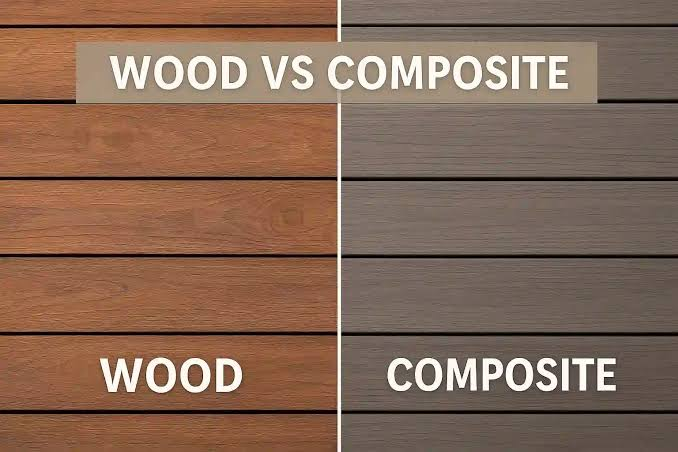
Alt text: Timber vs Composite image side-by-side
Timber in Singapore can offer natural grain and a warm appearance, but different timber species have different characteristics and care requirements.
Hardwoods like Teak or Chengal are valued for their organic grain, warmth, and natural resistance to decay, though they gradually weather into a silver patina unless routinely treated with UV-resistant oils.
Composite materials provide another approach, with product specifications varying between manufacturers. Compare appearance, maintenance, installation requirements, and intended use instead of selecting material based on one feature.
Samples can help you assess colour and texture before making a decision.
4. Review Maintenance
Ask what routine care the selected decking needs. Timber needs special maintenance depending on the species, finish, and exposure. Other materials may have different cleaning requirements.
A simple routine care routine, like regular sweeping to clear organic debris like leaves and dirt, prevents surface staining and algae growth on both natural wood and synthetic composite decks.
Consider how much time you are prepared to spend maintaining the surface. The easiest material to maintain on paper may not suit the appearance or feel you want.
A realistic maintenance plan should be part of the decision.
5. Plan Installation and Budget
Review the existing surface, substructure, and access to the installation area. These factors influence the project’s complexity.
Professional installation is highly recommended to ensure the sub-frame is properly ventilated and compliant with safety standards.
Request a detailed quotation covering preparation, materials, installation, and finishing components. This gives you a clearer view of the overall investment.
Pros vs Considerations
| Option | Pros | Considerations |
| Timber | Natural grain and warm appearance | Maintenance and environmental exposure |
| Composite | Consistent appearance and practical upkeep | Product characteristics vary |
| Covered decking | Greater protection from weather | Still requires suitable drainage |
| Open decking | Direct outdoor connection | Greater exposure to rain and sunlight |
When planning decking in Singapore, the most suitable choice depends on how the space will be used and maintained. Review the material, site, and installation requirements together before committing.
By evaluating your site conditions, aesthetic goals, maintenance preferences, and structural requirements beforehand, you can confidently create an outdoor deck that enhances your daily lifestyle and adds long-term value to your property.
Contact Hardscapes to discuss decking options suited to your Singapore outdoor space and preferred maintenance approach.
Frequently Asked Questions
- What to consider when choosing a deck for a Singapore outdoor space?
Consider things like how the space will be used, how much it is exposed to sunlight and rain, drainage, ventilation, durability, maintenance, and the total budget for installation.
- Is timber decking good for Singapore’s climate?
Timber decking is good for Singapore’s climate. It just needs proper installation, drainage, maintenance, and regular care to last for decades in Singapore’s humid and wet conditions.
- How to maintain outdoor decking in Singapore?
Maintenance is different, and it depends on decking material, species, finish, and exposure. Consider regular sweeping to remove leaves, dirt, dust, stones, and any other debris.
- What is the difference between timber and composite decking?
Timber and composite decking are totally different. Timber gives a natural grain and warm appearance. Composite decking provides a consistent appearance, but it requires totally different maintenance from timber.
Related Posts