Review your roof, floors, plumbing, electrics, HVAC, and moisture. This will help you figure out what work must be accomplished in order to achieve your goals, how much you want to spend, and how to plan your renovation.

How to Transform an Outdated House Into a Modern and Comfortable Home
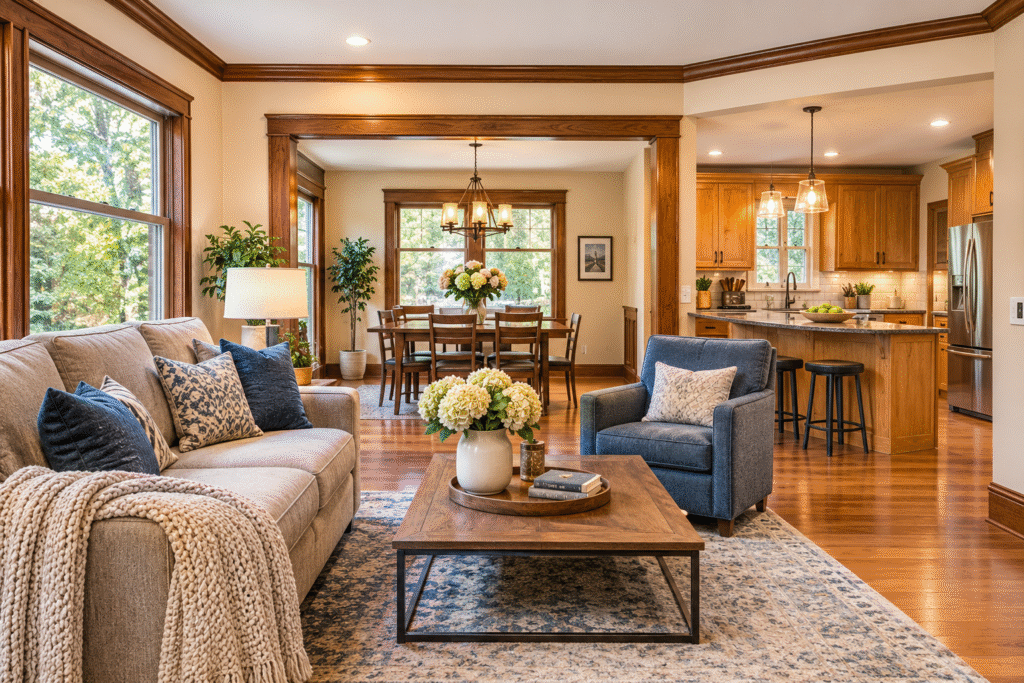
Your older house build perfectly, but it lacks adequate lighting, feel cramped and uncomfortable. Unfizzy kitchen space, old flooring, draughty windows frame, and poor ventilation with systemic wiring lack your routine work.
When you decide to paint, redecoration provides dinner finish, it eventually covers all issue.
Firstly, prepare a plan for what needs to be repaired and how you use each room wisely. If you plan to do a full refurbishment or Complete home remodeling, this will usually be considered to help all homeowners improve the appearance of their home. Correcting the flow, comfort, energy efficiency, and minute things you often miss.
Choosing long-lasting finishes and functional improvements will definitely help you to stay within your budget and provide a home that supports your lifestyle for several years.
Table of Contents:
- 1. Start With a Clear Plan for the Whole House
- 2. Create a More Open and Useful Layout
- 3. Update the Kitchen for Everyday Living
- 4. Make Bathrooms Cleaner and More Comfortable
- 5. Use Lighting and Colors to Refresh Older Rooms
- 6. Choose Materials That Balance Style and Durability
- 7. Coordinate the Work for a Consistent Result
- In Conclusion
- Frequently Asked Questions
1. Start With a Clear Plan for the Whole House
Before choosing paint colors or purchasing new furniture, it is important to know your home’s main issues. Some houses have small, closed-off rooms, while others lack storage, natural light, or enough space for family movement. A careful review helps identify which changes will make the biggest impact.
The plan should cover the layout, main rooms, fabrics, lighting, and budget. It should also separate essential repairs from optional upgrades. For example, if you face issues with damaged flooring or plumbing problems, you may need attention before decorative transitions begin.
2. Create a More Open and Useful Layout
Older houses often have room arrangements that do not match your current lifestyle today. A kitchen may feel separated from the dining area, or a hallway may take up too much space that could be used better. Changing the layout can make the house feel bigger and easier to move through without expanding its total length.
Make Every Room Work Better
A remodeling plan might enhance the flow between the kitchen and dining room, add storage to an unused corner, or make a living room easier to organize. Knocking down walls requires careful checks because some walls provide structural support for the house or contain important services.
3. Update the Kitchen for Everyday Living
An old kitchen can make an older home feel very outdated. Particularly when your old cabinets are worn, worktops are damaged, or storage is limited. A full replacement is not always needed. Depending on the condition of the room interiors, new cabinet doors, updated countertops, better lighting, and modern fittings can give you a brand new look.
4. Make Bathrooms Cleaner and More Comfortable
Bathrooms can benefit from usable updates that enhance both appearance and function. Old taps, cracked tiles, poor lighting, and limited storage can make the room feel discomfiting. New fixtures, a modern vanity unit, new surfaces, and improved ventilation can create a cleaner and more enjoyable space.
The size of the bathroom should guide the design. A tight room may satisfy more from wall-mounted storage and a well-planned shower than from large segments that leave little room to move. Long-lasting materials and suitable waterproofing are also important because bathrooms face regular contact with moisture. These details help protect the finished space from future cracks.
5. Use Lighting and Colors to Refresh Older Rooms
Lighting can change how a room feels without adjusting its length. Dark corners and heavy window coverings may make a house feel smaller than it actually is. Where possible, keeping windows clear and using light curtains can help natural daylight reach more of the room. Mirrors can help to reflect light in appropriate places.
A simple color scheme can connect different rooms and give a calm, modern feel. Gentle neutral shades work well with many styles of furniture. Adding small pops of bold colors can add personality. Consistent flooring or matching finishes can also help the house feel related. The aim is to make the home feel brighter and more balanced instead of filling every room with new ornaments.
6. Choose Materials That Balance Style and Durability
A modern home should look good and stand up to everyday use. Flooring, countertops, cabinets, and other finishes need to fit the intention expected from each room. For example, a busy family area needs flooring that is easy to clean, while a kitchen demands textures that can handle routine work.
Comparing material costs, care needs, and expected lifespan can help homeowners make reasonable decisions. The most expensive option is not always the best one to consider.
7. Coordinate the Work for a Consistent Result
Whole-house renovations often influence several connected tasks, including layout modifications, repairs, flooring, painting, and fixture installation. When these tasks are not planned properly, finished areas may need amending.
A well-planned schedule helps different courses of the project fit together. Homeowners can explore modern home renovations with DYM Builders to learn how different areas of a house can be improved jointly. Before starting the project, the scope, costs, materials, permits, and anticipated schedule should be examined clearly with the builder.
In Conclusion
When renovating an outdated house, you do not mean to replace everything. The best results come from solving real issues, improving your layout, updating key rooms, and using durable materials. A transparent plan helps ensure every modification enhances the next, giving your home a more modern, comfortable, and realistic feel for years to come.
Frequently Asked Questions
What are the initial steps in modernizing an old house?
How much will it cost to modernise an outdated house?
The cost will depend on the size of your property, its current condition, where it is located, the type of materials, labour, and how much labor you want to do. Ask for itemised sections from the dealer and avoid paying extra for any unknown cases.
How can I improve the energy efficiency of my old house?
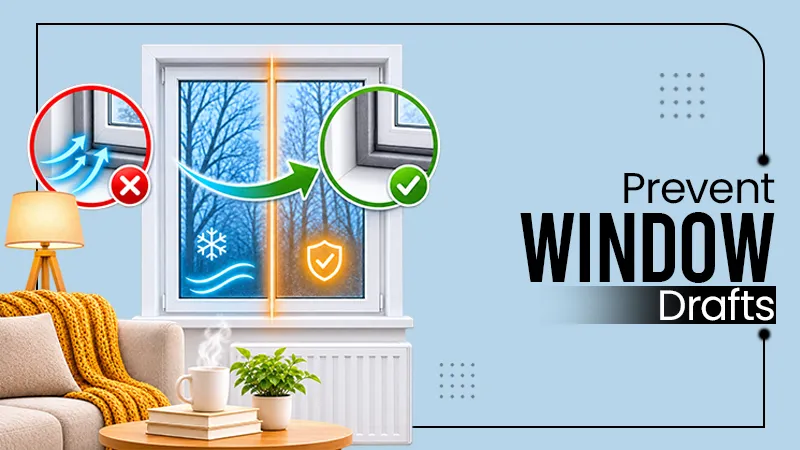
Secure your property is well sealed to stop currents, add extra insulation, check your HVAC. If possible, upgrade to energy-efficient windows, LED lights, and devices. Ensure your property is sufficiently ventilated.
How can I ensure that my home improvement is on budget?
You should set a general budget, request written estimates, finalise your materials, and keep track of your spending. Always have an emergency fund for any hidden damage.