A corded chainsaw requires a steady connection to a power plug to function, whereas a cordless electric chainsaw works on a battery, enabling the user to take it for far distances.

Everything You Need to Know Before Buying an Electric Chainsaw
Almost every Australian homeowner needs an electric chainsaw for multiple purposes, like pruning trees, cutting firewood, and doing yard work.
Moreover, these tools provide a great alternative to petrol-operated models as they are much cleaner and quieter. But because electric chainsaws depend on many different factors, buyers get confused and end up buying the one that isn’t suitable for their work.
This guide covers all the information and differences a person must know before purchasing an electric chainsaw for their chores.
Key Takeaways
- Choosing corded or cordless electric chainsaws according to the tasks
- Picking the right bar length for use
- Ensure your electric chainsaw has all the essential safety features
- How to maintain your electric chainsaw as a first-time user?
Understanding the Differences Between Corded and Cordless Electric Chainsaws
Electric chainsaws come in two main types: corded and cordless models. Each type provides different benefits that suit various needs and tasks.
The corded chainsaws need a reliable power outlet connection to function steadily, but keep in mind that the cord has a fixed and limited length, so it is suitable for around-the-house work.
Alternatively, cordless models are more fitting for yard or fence line type work where you need to cover a good amount of distance, and a cord would simply be more of a hassle to handle. So, the choice just comes down to the type of work you need it for.
Furthermore, that comparison matters when people are picking electric chainsaws for every type of cutting job and want something that fits their routine. A corded saw is easier to keep running for longer sessions without breaks. A cordless saw is easier to grab for quick cuts when speed and movement matter more.
Consider the Battery Life and Charge Time For Cordless Models
Battery life determines how long a cordless chainsaw runs before it needs a charge. Most models use lithium-ion batteries that provide steady power output.
A typical battery lasts between 30 and 90 minutes of active cutting time, though this varies based on the wood type and cutting intensity.
Also, the voltage is a big factor as higher voltage batteries deliver better strength but also drain quickly when under regular use. Whereas, low-voltage batteries are best for small and light work, like pruning off small branches.
Furthermore, the charge time matters just as much as the runtime. Standard chargers take 60 to 90 minutes to fully charge a depleted battery. Rapid chargers can cut this time in half, which helps during larger projects that require multiple battery cycles.
Users should consider buying an extra battery to avoid work interruptions. One battery can charge whilst the other powers the saw. This approach keeps projects moving without long waits between cuts.
Evaluate Bar Length Based on The Typical Cutting Tasks in Your Garden
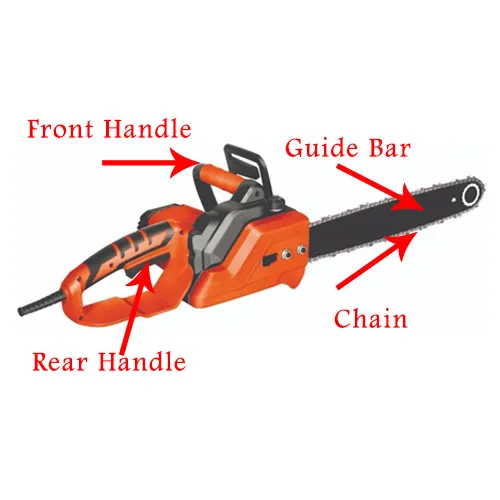
The bar length determines the width of material a chainsaw can cut in a single pass. For most garden work, a bar between 12 and 16 inches handles common tasks well.
Additionally, light pruning and trimming branches require short bars of 12 to 14 inches, as they provide more control to the user when used for an extended period of time.
Conversely, medium bars of 14-16 inches are meant to handle more demanding tasks like going through thick 12-inch branches. This size works for most of the residential tasks without much complexity.
The larger bars, on the other hand, are most useful for farmers and workers who regularly use a chainsaw for cutting large blocks of timber. The large 18-inch bar is capable of felling trees that are 32 inches in diameter, but remember that longer bars require lots of experience and strength to handle them safely.
The key is to match the bar to the diameter of the material typically cut. A general rule suggests the bar should be at least two inches longer than the wood’s thickness.
Fun Fact
Germany’s Lorinz developed a micro-chainsaw used for neurosurgical processes that automatically avoids blood vessels over 0.1 mm during skull incisions.
Check for Safety Features Like Chain Brakes and Low Kickback Bars
Safety features make the difference between a secure tool and a potential hazard. A chain brake stands as the most important safety component on any chainsaw.
This feature stops the chain within milliseconds if kickback occurs. The brake activates through a front hand guard that the operator’s hand pushes forward during sudden movement.
Chains and bars having low kickback greatly decrease the force in dangerous reactions. The chains have depth gauges to limit how much wood each tooth can handle. This means that the chance of the chain snapping back and releasing the saw back onto the operator is greatly reduced.
Buyers should verify that these features work properly before purchase. Test the chain brake by pushing the hand guard forward to confirm it stops the chain. Look for chainsaws that include bar tip guards as well.
Additionally, these guards cover the nose of the guide bar, where most kickback incidents start. A person looking to buy an electric chainsaw must ensure that their equipment comes with these safety features as part of them.
Review Maintenance Requirements and Ease of Use For Beginners
Electric chainsaws require less upkeep than petrol models. Beginners will appreciate this simpler approach to tool care. The main tasks include chain tension checks, bar oil refills, and occasional chain sharpening.
That is why most models allow the adjustment of chain tension without needing specific tools. This simplifies the maintenance process for first-time users.
Additionally, the bar oil keeps the chain and guide bar in working condition during use. Electric chainsaws use this oil automatically as they run. Users simply need to refill the reservoir before each session.
The sharpness of the chain affects the safety and performance of the chainsaw, as a dull chain requires more pressure to function, causing an increase in kickback risk. You can learn basic sharpening techniques or take the chain to a professional for a more comprehensive maintenance process.
Conclusion
An electric chainsaw is the right choice for owners who need it for light to medium tasks around the house.
Moreover, remember to go through all the technical specifications like power source, length, safety features, etc., before making a purchase.
Electric models are superior to traditional petrol chainsaw alternatives as less maintenance is needed in them, making them sustainable for heavy tasks.
Hence, the key is to match the chainsaw’s capabilities with the jobs at hand rather than buy more power than necessary.
What is the difference between a corded and a cordless electric chainsaw?
What bar length chainsaw would I need if I want to trim branches?
Short bars of 12-14 inches will be sufficient for trimming branches and other light work.
What are the safety features every chainsaw should have?
Chain brakes and low kickback are the features that every electric chainsaw must have to ensure proper prevention and safety of the user.
What are the safety features every chainsaw should have?
Q4) How to maintain an electric chainsaw?
Ans: Electric chainsaws can be maintained by changing the bar oil after every session and sharpening the blade, or you can also reach out to a professional to ensure a more thorough process.
Related Posts