Ans: There is no hard and fast rule for that. The buyer can decide to transact via an agent as per their specific conditions.

Who Delivers Your Offer to the Seller? Process, Roles & Expert Tips (2026)
Are you planning to buy a new house? Whether you have a lot of money or are just looking for something under budget, it is a must to learn about the “who delivers your offer to the seller framework” first. This is the principle that lets you effectively deal with the first step in buying a house after coming across the best deal of your dream. The article explains this concept in detail below, and also touches upon key aspects in brief for a complete overview.
Table of Contents:
- What Does the “Who Delivers Your Offer to the Seller Framework” Mean?
- What Does Delivering an Offer to the Seller Mean?
- Who Delivers Your Offer to the Seller?
- Role of a Buyer’s Agent in the Offer Delivery Process
- What Happens After Your Offer is Delivered?
- How Offers Are Delivered in Different Buying Scenarios
- Can a Buyer Deliver an Offer Directly to the Seller?
- Digital vs In-Person Offer Delivery: Which One is Better?
- Common Mistakes Buyers Make When Submitting an Offer
- Tips to Make Sure Your Offer Gets Noticed
- Is Professional Help Necessary to Deliver an Offer?
- Conclusion
- FAQs
What Does the “Who Delivers Your Offer to the Seller Framework” Mean?
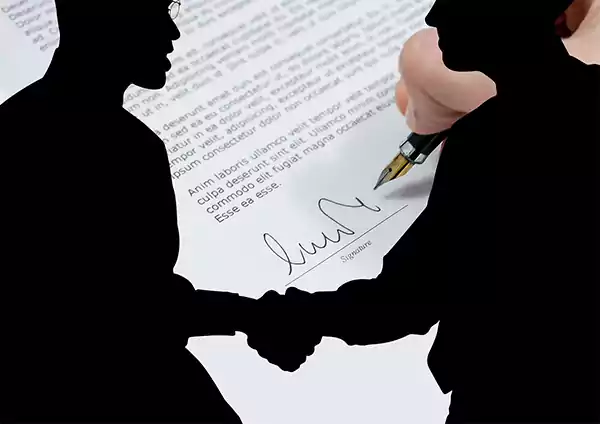
In order to understand the meaning of this technical and complex phrase, let’s break things down to the very bottom of the situation. Consider the following sequence for the right understanding to click.
- Context: This expression is used in a situation where the buyer is interested in buying an available property listed on the market.
- Who delivers your offer to the seller: Now, as the buyer is ready to purchase the available house, the next problem is who should deliver their offer to the seller.
- Offer: The offer to buy a property is a formal, written, and legally binding statement, also called the purchase proposal. It is not an ordinary spoken set of words like “I will buy this house tomorrow.”
- Persons involved: Three entities can deliver the offer to the seller, namely, the buyer’s agent, the buyer themselves, or an attorney.
- So, what is the confusion? Why do we have to think about who should deliver? The answer lies in the fact that the determination of the right person changes the entire game. The right pitch maximizes acceptance, speed, and deal momentum.
So, the phrase, “Who delivers your offer to the seller framework,” advocates the necessity for careful reflection on who should deliver the purchase proposal to the seller to maximize the benefits of the deal.
This principle even assumes greater importance in the context of the most expensive houses in America.
What Does Delivering an Offer to the Seller Mean?

Delivering an offer to the seller and its true connotations are expressed in the following headings, such as understanding the home offer process, what a real estate offer includes, and why proper offer delivery matters.
1. Understanding the Home Offer Process
It involves the knowledge of the four key stages, such as preparation, submission, review, and outcome.
- Preparation: Drafting the terms and conditions that the buyer wants the seller to accept, formulated in collaboration with either the agent or the attorney.
- Submission: The proposal is delivered to the seller or its agent.
- Review: The seller entertains and goes through all the sections of the offer or purchase proposal.
- Outcome: After the review, the seller can accept, reject, or provide a counteroffer to adjust the offer as per their specific needs.
2. What a Real Estate Offer Includes
Another important thing to consider under the who delivers your offer to the seller framework is what the offer includes. It mainly contains purchase price, contingencies, earnest money, and closing date.
- Purchase price: The specific dollar amount that the buyer is ready to pay to the seller.
- Contingencies: All the conditions that must be strictly met for the deal to happen, i.e., successful home inspection, no hidden costs, no hidden inconsistencies in the property, etc.
- Earnest money: A deposit showing that you are a serious buyer.
- Closing date: The timeline by which you want to take ownership of the property.
3. Why Proper Offer Delivery Matters
The key benefits of a proper offer and effective delivery are speed, certainty, professionalism, compliance, and competitiveness.
- Speed: A perfect purchase proposal has no potential for being rejected due to technical errors in the language or ambiguity. Professional offers are processed instantly if the deal is acceptable to the seller.
- Certainty: A proper buy offer exhibits the specific terms and conditions.
- Professionalism: Without a meticulously drafted document, the offer will not sound serious, incapable of eliciting the desired response out of the listing agent or the seller.
- Compliance: Until the offer follows legal rules and the core principles of ethics, the seller will not consider it. In that case, the offer will lack authority.
- Competitiveness: Finally, proper purchase proposals are great because they only include terms, conditions, and pecuniary considerations based on deep market research.
Also Read: Jack and Jill Bathroom Definition, Practicality, Layouts, Pros, Cons, Design Tips, & More!
Who Delivers Your Offer to the Seller?
It depends on the conditions. The four possible scenarios are listed below: buyer’s real estate agent, listing agent’s role in presenting the offer, real estate attorney, and buyer directly in for-sale-by-owner (FSBO) deals.
1. Buyer’s Real Estate Agent
This is the most common method. Here, the buyer’s agent develops and delivers the offer.
2. Listing Agent’s Role in Presenting the Offer
The effectiveness of all the considerations under who delivers your offer to the seller framework also depends on the listing agent, who connects the buyer’s offer to the seller (or the immediate owner of the property).
3. Real Estate Attorney (Wherever Applicable)
In case there is no agent to work with, and the offer is to be drafted and communicated by the buyer alone, the option of the real estate attorney can be utilized. The attorney helps formulate a legitimate offer with less time and resources.
4. Buyer Directly in For-Sale-By-Owner (FSBO) Deals
Sometimes, there is no agent involved, and thus, the buyer directly meets the owner of the house to complete the purchase of the property. Such deals are called FSBO deals, or for-sale-by-owner deals.
Role of a Buyer’s Agent in the Offer Delivery Process
The role of a buyer’s agent in the offer delivery process is immense. This agency involves the preparation, submission, and communication of the offer, along with the follow-up work.
1. Preparing the Offer Documents
The agent’s work starts with drafting the offer documents, which contain all the terms and conditions of the buyer, along with other key components such as purchase price, contingencies, the earnest money, and closing date.
2. Submitting the Offer Professionally
Next, based on the decision as per the who delivers your offer to the seller framework, the agent submits the prepared offer to the seller or its agent, also called the listing agent.
3. Communicating With the Seller’s Agent
At the time of the submission or later, the buyer’s agent is also the one who discusses the parts of the offer one-on-one with the seller’s agent, , so that major misunderstandings or the problem of the communication gap can be eradicated before the seller’s consideration.
4. Following Up and Handling Counteroffers
Finally, under all types of buy offers for all construction types, the seller only has three options to choose from, i.e., acceptance, rejection, and counteroffering. Thus, with all these responses as well, the buyer’s agent has to deal.
What Happens After Your Offer is Delivered?
There is only a limited set of responses that the seller would resort to after getting exposed to the offer made by the potential buyer. Major aspects are included below.
1. Seller Reviews the Offer
Once the purchase proposal is made as per the “who delivers your offer to the seller framework” or scheme, the seller’s agent takes the documents and the key conditions to the seller. Then, the owner of the property considers the offer and decides their response accordingly.
2. Acceptance, Rejection, or Counteroffer
The seller has the freedom to accept, reject, or counteract the demands laid down under the proposal. A counteroffer is often a modified version of the purchase proposal, serving the specific needs of the seller better.
3. Typical Timelines Buyers Should Expect
It totally depends on the delivery, depth, and contingencies of the purchase offer. The simpler the offer is, the less time it will take for the seller to consider and process its details, finally producing the desired response in little time.
How Offers Are Delivered in Different Buying Scenarios
The following are the different buying scenarios and how the offer is delivered under each one of them.
1. Buying Through a Real Estate Agent
Here, the offer or purchase proposal is prepared and sent by the buyer’s agent to the listing agent, who eventually brings the proposal to the consciousness of the property owner.
2. Buying a For-Sale-By-Owner (FSBO) Home
The “who delivers your offer to the seller framework” has limited use when the property is directly available for sale through the property owner. Here, the buyer has two options at their disposal: either they can deliver the offer through a real estate agent or do the task themselves. However, most buyers prefer to deploy an agent for the work to maintain legality and professionalism in the process.
3. Buying a New Construction or Builder Home
Offers are typically presented to the builder’s on-site sales agent.
4. Cash Offers vs Financed Offers
Consider the key difference points between cash offers vs. financed offers.
| Feature | Cash Offer | Financed Offer |
| Definition | Buying via cash | Buying via a mortgage loan |
| Speed | 7-14 days (Fast) | 30-60+ days (Slow) |
| Risk | Low (minimal chance of falling through) | Higher (Loan rejection, appraisal issues) |
| Contingencies | Usually none | Typically, financial/appraisal |
| Costs | Lower (No lender fees) | Higher (Lender/appraisal fees) |
| Seller Preference | High (Certainty) | Lower (Requires qualification) |
Can a Buyer Deliver an Offer Directly to the Seller?
Yes, it is possible in For-Sale-By-Owner deals in residential construction projects. Major aspects are included below.
1. When Direct Delivery Is Allowed
In the For-Sale-By-Owner (FSBO) Home deals, the buyer can directly deliver the offer to the seller, as the deal is made available directly by the seller without an additional layer of the listing agent.
2. Risks of Delivering an Offer Yourself
Delivering the offer yourself, ignoring the who delivers your offer to the seller framework, has a major drawback. If you are not well-versed in the legality of the work, you will end up making errors in the proposal, leading to serious financial losses.
3. Legal and Ethical Considerations
Hiring a competent real estate agent ensures that your purchase proposal is perfect and complete from all perspectives, whether it is legal or ethical.
Digital vs In-Person Offer Delivery: Which One is Better?
The most efficient purchase proposal delivery method is via an online or digital mode, as it is faster and more affordable. Specific software tools are mentioned below.
1. Email and Online Platforms
These days, a variety of real estate transaction management software tools are available in the market, such as DocuSign, Dotloop, etc. This software streamlines proposal management in the property purchase, saving considerable time and money.
2. In-Person Offer Submission
No matter who you choose to offer delivery under the who delivers your offer to the seller framework, the in-person offer submission is always a time-consuming process, often leading to a considerable increase in the overall cost.
3. Which Method is Faster and Safer Today?
Without a doubt, the online method is the most effective and efficient one. When it comes to safety, ensure you use only a trusted platform that offers assured protection against harmful third-party cyber events.
Common Mistakes Buyers Make When Submitting an Offer
Common mistakes buyers make while submitting an offer are incomplete documentation, poor timing, slow submission, and skipping professional guidance, as mentioned below.
1. Incomplete or Weak Documentation
Most buyers, while considering all types of houses for sale, ignore the importance of hiring a competent proposal drafter with authority. It leads to incompetent proposals or weak documentation.
2. Poor Timing or Slow Submission
When the seller has fixed the timeline for submission, and the buyer causes a delay, this is another problem that must be avoided.
3. Skipping Professional Guidance
Never skip the guidance of a professional agent or an attorney, which is a typical mindset of a first-time home or property buyer.
Tips to Make Sure Your Offer Gets Noticed
Don’t forget the following tips while considering the “who delivers your offer to the seller framework”. It includes ensuring strong pre-approval or proof of funds, clean & simple terms, a competitive earnest money deposit, and professional & timely follow-ups.
1. Strong Pre-Approval or Proof of Funds
The proposal must contain the recent, formal pre-approval letter or the proof of funds in case the transaction is to be immediately completed with available cash.
2. Clean & Simple Terms
Minimize contingencies as much as possible. Be flexible and try to adhere to the seller’s preferred closing date and timeline.
3. Competitive Earnest Money Deposit
If you are committed to the available deal, show it in terms of a higher earnest money deposit. 3% to 5% is a great gesture in this regard.
4. Professional and Timely Follow-Ups
Act proactively and fast. Don’t cause delays merely due to procrastination. Hire a competent agent and let them deal with all the intricacies of the matter for better outcomes.
Also Read: Cheapest State to Buy a House in the USA: Find Your Perfect Dream Place & Enjoy Life Forever!
Is Professional Help Necessary to Deliver an Offer?
Yes, it is an absolute must for a first-time home buyer. However, the seasoned purchaser can choose to handle the process alone at will.
1. When You Should Use a Real Estate Agent
Always choose a real estate agent under the “who delivers your offer to the seller framework” when you find yourself incapable of handling the entire process alone. Or, you are a first-time buyer.
2. When a Real Estate Lawyer Is Enough
A lawyer is enough for experienced buyers or FSBO (for-sale-by-owner) properties.
3. When Buyers Can Safely Handle It Alone
Seasoned or all-cash buyers can handle everything alone, as they have spent a huge part of their lives doing the same. However, they also hire agents or lawyers for delegation purposes.
Conclusion
The “who delivers your offer to the seller framework” recommends that the buyer must carefully decide on a person who can deliver the purchase offer effectively. There are only three options available in this regard: the buyer themselves, the real estate agent, and the attorney. The best performer, as per the nature of the given home deal, must be selected for maximum acceptance and a fast transaction.
FAQs
Q: In which type of home deal should a real estate agent be considered?
Q: Is it legally binding to transact with an agent to buy a property from an owner?
Ans: No, it is just a matter of personal choice.
Q: What is a listing agent?
Ans: This agent keeps a list of all the properties available for sale.
Q: Who delivers your offer to the seller framework?
Ans: In most cases, a buyer’s real estate agent delivers the offer to the seller or the seller’s agent. However, buyers can also submit offers directly if they choose not to work with an agent.
Q: Can a buyer negotiate directly with the seller without an agent?
Ans: Yes, buyers are allowed to negotiate directly with sellers, especially in For Sale By Owner (FSBO) deals. But having an agent can help ensure smoother communication and proper legal documentation.
Related Posts