The pods provide breastfeeding mothers with a private, clean, and comfortable space to pump or nurse their babies.

3 Reasons Every Workplace Needs Lactation Pods
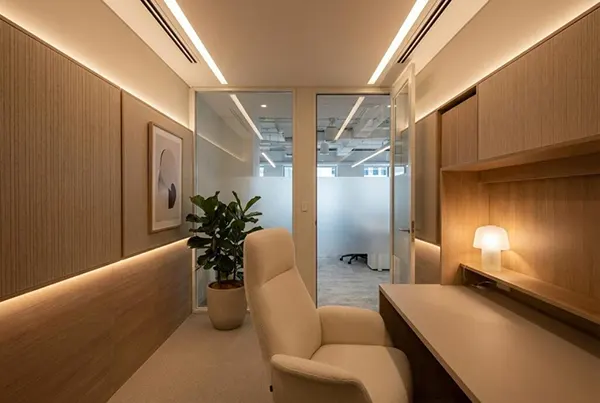
Working mothers are satisfied with simple private spaces because they guarantee legal compliance and offer necessary comfort.
Instead of making do with makeshift arrangements like storage closets or restroom stalls, returning to work after maternity leave requires practical support.
Creating a quiet, clean space with adequate ventilation turns a daily struggle into a routine that can be sustained.
This demonstrates how much the organisation values its nurses.
Hundreds of thousands of working mothers must make this silent daily compromise when they return home. More about a company’s culture can be found in how it handles the need for privacy than in any generic benefit brochure.
Fortunately, well-designed lactation pods from providers like PrivacyPod are increasingly accessible for organizations of every size seeking an immediate structural fix.
Read on to discover why these private areas have moved from an optional amenity to an essential investment.
Key Takeaways
- Spaces built for mothers in the workspaces play a great role in increasing the retention rate, making them feel included and committed.
- The strict legal compliance in building the lactation areas makes it hygienic and secure for women to carry out lactation without compromising their hygiene.
- These spaces even carry a positive and cultural message, motivating the employees to work well for the company and also keeping them attached to the company’s growth.
- The results of these spaces are not just legal, economic, or cultural; in fact, it also leads to a secure position of the organisations.
1. Spaces Make Mothers Want to Stay
The cumulative emotional burden of feeling like an afterthought is the issue with most improvised nursing arrangements, in addition to the practical inconvenience.
The inadvertent message that this need was not anticipated is conveyed when a nursing mother is pointed in the direction of a converted supply room.
Over the course of weeks and months, that emotion intensifies and eventually drives away valuable talent.
Fortunately, giving committed mothers the right support enables them to stay in the workforce for longer.
When there is a suitable space, the difference is noticeable and instantaneous for all parties.
Workplace support is tied to success, as mothers with dedicated rooms show higher retention rates compared to national averages.
Furthermore, access to these specific areas promotes longer breastfeeding duration for nursing professionals. This is exactly what mothers face daily, and it is why purpose-built solutions matter.
The ambient noise of an open office disappears when the door of a well-designed space is closed.
There is a suitable surface with a power outlet, the air is clean, and the temperature is regulated. These modular units come ready to use as a fully functional workspace and don’t require building permits.
One of the best things a business can do during a difficult professional re-entry moment is to set aside a specific area.
2. Lactation Areas Ensure Strict Legal Compliance

There is no ambiguity in federal law on this subject, and employers who are ignorant of their responsibilities are not protected.
Under federal regulations, nursing employees are entitled to a private space to pump that is explicitly not a bathroom. This acts as a firm legal floor that is enforced strictly by the U.S. Department of Labour.
These crucial safeguards were recently significantly expanded by the PUMP for Nursing Mothers Act.
Certain salaried and exempt workers used to have exemptions, but those are mostly no longer available.
The gaps that had left many administrative and professional workers totally unprotected have been successfully filled by this policy update.
Additionally, employers in some states have to deal with extra requirements that far surpass federal minimums.
Since a well-designed environment simultaneously checks every legal box, the compliance case for a dedicated space is simple.
It offers a unique, hygienic, accessible, and welcoming environment for all nursing staff.
The true cost of improvising an unapproved space is immeasurably higher than the cost of implementing a proactive compliance decision.
Ultimately, avoiding reputational damage requires meeting these core structural requirements head-on without delay.
Warning/Important: Federal law explicitly prohibits using bathrooms as lactation spaces. Under the PUMP Act, employers must provide a private, functional area to avoid significant legal liabilities and ensure full regulatory compliance.
3. Amenities Signal an Inclusive Company Culture

In addition to the pragmatic and legal aspects, there is a cultural argument that is becoming more and more important in competitive employment markets.
When a prospective employee tours an office and sees a well-designed space, the positive message is immediate. Employees observe how their colleagues are treated, and organizations that invest in dignified amenities build broader trust.
This family-friendly workplace culture has emerged as a highly noticeable differentiator in the recruitment of contemporary talent.
Employees increasingly evaluate prospective employers on the degree to which physical spaces reflect real human needs.
No policy document or digital handbook can ever match the tangible signal of a visible, thoughtful space. When businesses select eco-friendly, modular solutions, sustainability further strengthens this powerful cultural signal.
Incorporating formaldehyde-free panels and recycled materials perfectly aligns physical investments with the progressive values the workforce already holds.
This inclusive approach conveys a clear priority to all building occupants in contemporary coworking and hybrid environments. It demonstrates to community members and visiting employees how the space actually allots square footage to people.
By emphasizing human-centric design, facilities managers create environments where diverse talent feels continually welcomed and supported.
This innovative approach guarantees that the workplace will continue to be highly functional and appealing for many years.
Pro Tip: Use lactation spaces as a visible differentiator during office tours. High-quality, modular pods signal a modern, inclusive culture that attracts top talent and aligns with eco-friendly corporate sustainability goals.
The Real Impact
Comfort, legal compliance, and inclusive culture are not three separate investments requiring three separate budget conversations. They are one highly thoughtful decision with layered, long-term returns for the entire organization.
An organization’s physical spaces serve as the most accurate representation of its primary goals. Both nursing moms and potential candidates assessing the office setting can quickly determine if they were planned for.
Family-friendly policies are quickly evolving from a distinctive differentiator to a standard expectation as workforces continue to diversify.
Organizations that invest early in dignified, private areas position themselves securely ahead of the curve. A quiet room with a lock and clean air provides the implicit message that working parents are valued.
It is precisely this kind of care that keeps working mothers present, fully supported, and dedicated to their roles. Intentional design decisions are important in a world where it is difficult to attract and keep top talent.
Providing a functional, private retreat yields a massive cultural return that is worth every single square foot. Ultimately, supporting nursing professionals creates a stronger, more resilient workplace for absolutely everyone.
The Bottom Line
With evolving workplaces and changing environments, having lactation pods are important to ensure a workplace balance.
This also helps in building a healthy company culture, promoting egalitarian compliance, and building a space where most mothers want to stay.
Therefore, contributing to a holistic environment for all the female workers.
FAQs
What is the purpose of a lactation pod?
What is the main purpose of lactation?
The chief function of lactation is to provide nutrition and immune protection to the young after birth. Due to lactation, the mother-young pair can survive even if the food is scarce.
How can employers support lactation?
Employers can support lactation by creating a lactation space in case they have more than one employee who can benefit from it.
What device collects breast milk?
The Haakaa silicone breast pump is the best milk catcher because of its simple design and splendid milk-catching capabilities.