Ans: The ideal size of a bedroom depends on the preferences and budget of the owner. Thus, it differs from one person to another, given various needs and requirements. Yet, it mustn’t be less than 7 feet by 10 feet in the United States.

Average Bedroom Size: Complete Guide to Dimensions, Layouts & Design Tips
The average bedroom size isn’t any random string of numbers. Rather, it is a code to create the most functional, comfortable, and aesthetically apt spaces for ultimate relaxation and definitely sound sleep. Not deciding on the right size of a bedroom means not having enough space for the essential furniture and accessory items, making every bedtime a hassle.
Suppose you want to read or meditate before sleeping, but there is no extra space for these essential sleep-hygiene activities! So, you just keep tossing and turning on the bed for hours! To avoid such inconvenience, consider a detailed discussion on the bedroom sizes below before you start working on your ideal bedroom.
Table of Contents:
- What is the Average Bedroom Size?
- What are the Standard Sizes for Different Bedroom Types?
- What are the Factors that Influence Average Bedroom Size?
- What are the Legal Minimum Size Requirements?
- Effective Ways to Maximize Space in Small Bedrooms
- Average Bedroom Sizes in Different Countries
- Practical Design Tips for Functional, Visually Appealing, & Cozy Bedroom Spaces
- Conclusion
- FAQs
What is the Average Bedroom Size?

In the United States, the average bedroom size ranges from 120 to 200 square feet. These are the perfect dimensions for sleep and relaxation spaces inside homes. Deciding on the right size of the bedroom boosts functionality and aesthetics alike. For example, a kid-sized bedroom will serve the needs of a kid better than any other bedroom type.
Let’s move on to different standard sizes as per various types of bedrooms in the following section.
Also Read: Cheapest State to Buy a House in the USA: Find Your Perfect Dream Place & Enjoy Life Forever!
What are the Standard Sizes for Different Bedroom Types?

The average bedroom size limit isn’t fixed, to be honest. It can vary from one home to another, depending on the varying needs and financial conditions of the individuals. One can be comfortable in the 132 sq. ft. of an average-sized bedroom, while the other one might require more space for an extra luxury experience! Yet, various types of bedrooms with standard sizes are mentioned in the table below.
| Bedroom Type | Typical Bedroom Size (ft) | Average Size Range in Sq. ft. | Recommended Bed Size | Ideal Furniture Layout |
| Master Bedroom Size | 14′ x 16′ to 16′ x 20′ | 224 – 320 | King-Size or California King | – Centre bed attached to the wall opposite the door – Bedside tables – Wardrobes on the south or west walls – A seat near the window for reading, etc. |
| Secondary Bedroom | 10′ x 10′ to 11′ x 12′ | 100 –132 | Queen-Size or Full-Size | – Bed in the center – Add nightstands for essentials – Narrow dresser wall opposite the bed – A floating desk |
| Guest Bedroom | 10′ x 10′ to 10′ x 15′ | 100 – 150 | Queen-Size or Full-Size | – Bed against the longest wall – Slim & floating nightstands – Narrow vertical dresser – Closet as per the available space |
| Kids Bedroom | 8′ x 10′ to 10′ x 15′ | 80 – 150 | Twin Bed or Full-Size | – Study table beside the bed – Toy storage space – Bed in the center or as per the space |
| Nurseries | 8′ x 10′ to 10′ x 12′ | 85 – 110 | Suitable cribs (around 120cm x 60cm) | – Put the crib in the center, unattached to walls – Toy storage furniture, away from the crib – Uncluttered space |
| Average Bedroom | Approx. 11.5′ x 11.5′ | 132 | Varies | – Customize the layout as per the varying needs and requirements |
So, these are the different standard bedroom sizes. Select as per your needs and the budgetary capacity. Meet a professional if you need to figure out which type suits your bedroom space best!
Also Read: 25 Most Expensive House in America, from Gordon Pointe to Pumpkin Key!
What are the Factors that Influence Average Bedroom Size?
Many factors influence the dimensions of the average size bedrooms, which include bed size, furniture needs, storage requirements, intended use, overall home size, lifestyle, housing costs, and subjectivity.
- Bed Size: The larger your bed is, the less the overall bedroom space will become. Thus, always choose the right-sized bed to use the space effectively.
- Furniture Needs: If you require more than 5 furniture pieces besides the bed in the bedroom, a large space is needed. The more furniture, the larger the space has to be, which directly impacts the average bedroom size!
- Storage Requirements: People with higher storage requirements often need a large space for a bedroom. For example, requiring a large adjacent study for reading.
- Intended Use: The typical bedroom size for multipurpose use is larger than a space just dedicated to sleep. You might want to have a workstation, reading area, or even an entertainment spot in the same area, and that is what increases the bedroom size.
- Overall Home Size: The size of the overall residential property is also a key factor. The availability of space will definitely lead to a more lavish and roomier bedroom. Reading about the space distribution in the condo vs the townhouse will help you realize this point better.
- Lifestyle: If you love to read before sleeping, most probably, you would get a small study built next to your bed. Thus, your habits also affect how roomy your bedroom space is going to be.
- Housing Costs: If in a locality the cost of accommodation is higher, the chances are that the person might want to own or live in a smaller but affordable unit, leading to a reduced bedroom space.
Compared to other factors, your own preferences and lifestyle choices will dominate the bedroom-size decision more significantly, along with your budget and the average bedroom size expectations.
Also Read: How to Make Stairs Easily: A Step-by-Step Guide
What are the Legal Minimum Size Requirements?
Talking about dimensions of average bedroom size legally, the minimum size requirement is 70 square feet, which is equal to 7 feet by 10 feet. The sole reason for this minimum-limit imposition is to ensure that there is enough room for essential furniture items, hassle-free mobility, and easy access to exit in emergencies.
In the U.S., such well-sized rooms are called legal rooms, and almost all individuals prefer to dwell in them. It shows that the bedroom’s dimensions are optimal, thus offering the most functional and comfortable experience. And there will be no safety issues as well, because the basic size doesn’t go below the 70-square-foot cap. Something that also matches modern home styling ideas and contemporary interior décor preferences.
Effective Ways to Maximize Space in Small Bedrooms
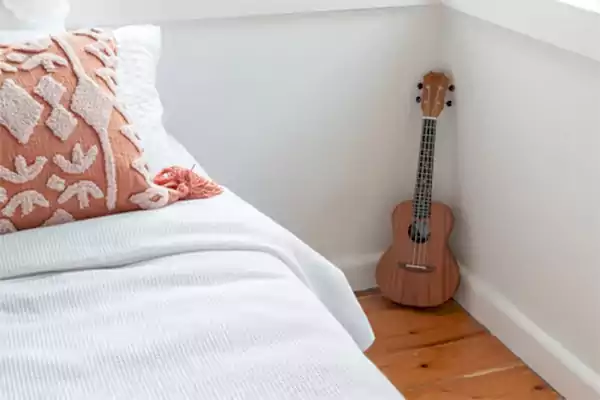
If your average bedroom dimensions are small, then you need to learn how to use the limited space effectively. Consider a few tips, such as using a multipurpose bed, rethinking the arrangement, removing closet doors, putting the dresser in the closet if possible, minimizing nightstands, removing the clutter, and eliminating unnecessary furniture pieces to make the most of your average bedroom size. Also, while thinking about home improvements, you might wonder how much is a water softener costs, which is another consideration for optimizing your living space.
- Bed: Use a multipurpose bed where you have a storage chamber or that can convert into a settee during the waking hours.
- Arrangement: Think about the arrangement of the items already in the bedroom, as there might be a possibility to alter the layout and create some extra room.
- Closet: If your closet doors are taking up all the space when opened up, get them off the hinges and throw some fancy curtains over the closet for a more hassle-free experience.
- Dresser: In case your closet happens to be large, try to accommodate the dresser inside it if possible. It will open up a lot of space for you to use alternatively.
- Nightstands: Minimizing the use of nightstands is also crucial if your average bedroom size is smaller than usual.
- Clutter: Sorting out the mess or chaos from time to time is a must, too, because the clutter makes the space look more congested than it usually is.
- Essentialism: Stick to only essential items and take the rest of them out. Eliminate unnecessary furniture pieces from the space.
So, these are a few tips for you to consider and implement if possible, for making your small bedroom spaces serve you the most. These tips are small but hold the potential to bring about noticeable changes in your average bedroom size.
Also Read: 19 Steps to Building a House – Construct Your Dream Living Space With Precision
Average Bedroom Sizes in Different Countries
The average bedroom dimensions are also affected by different norms and laws in different countries. Consider the sizes of the bedrooms in the table below for the most popular places across the globe.
| S.No. | Countries | Ranges |
| 1. | UK | 150 – 250 square feet |
| 2. | Australia | 200 – 300 square feet |
| 3. | Japan | 100 – 200 square feet |
| 4. | South Korea | 100 – 200 square feet |
| 5. | Worldwide | 100 – 250 square feet |
These are the typical approximations, though the real sizes might vary due to individual differences. If you are interested in the minimum average bedroom size limit of the bedroom backed by the government of your country, visit the official website of the respective country and refer to the authentic documents.
Practical Design Tips for Functional, Visually Appealing, & Cozy Bedroom Spaces
We have amply discussed the average bedroom size. Now, let’s focus on how one can make their bedroom the most practical and aesthetic with the help of tips, such as using a Murphy bed, building into the wall, choosing a daybed, repurposing a closet, applying an optical illusion, using miniature art, adding smaller wall sconces, using the right colors, avoiding large fixtures, and personalizing your bedroom your way.
- Murphy Bed: The best way to maximize space in your small bedroom.
- Wall Construction: Build shelves into the wall and save the hassle of buying space-consuming separate furniture.
- Daybed: Great choice if you are looking for a multipurpose furniture piece for your sleeping plus seating area.
- Closet: Repurpose the closet space to suit your current needs better, often a valuable piece of advice for the owners of used homes.
- Optical Illusion: Create such optical illusions on the wall with the wallpaper that would give off the feeling of living in a large space.
- Miniature Art: Best for small to medium-sized bedrooms to create a large impression.
- Wall Sconces: Use wall sconces to save space by eliminating the need for nightstands.
- Right Colors: Carefully select the right combination of colors, and engage professionals to paint your bedroom walls in the most stunning ways possible to enhance your average bedroom size.
- Small fixtures: If you have to, only use small lights and fixtures that support the illusion of a large space.
These concepts can also be used as perfect guest bedroom ideas so that everyone who visits your home has the best experience at nighttime and feels energized after waking up. Finally, always personalize your space as per your needs and preferences for optimal satisfaction while making the most of your average bedroom size.
Also Read: 20 Types of Construction Vehicles with Their Names, Pictures, and Features
Conclusion
The average bedroom size is approximately 100 to 200 square feet. The range can vary due to several factors, such as home types, individual needs, bedroom requirements, country laws, etc. There is a minimum legal requirement as well, which also varies from country to country. For U.S. citizens, it is 70 square feet, which is equal to 7 feet by 10 feet.
FAQs
Q: What is the ideal size of a bedroom?
Q: Is 12 × 12 a good-sized bedroom?
Ans: Yes, it is a good standard size.
Q: Is 7 feet too narrow for a bedroom?
Ans: In most US building codes, this is the bare minimum you need to build a bedroom. However, it is indeed too narrow for the use of an adult. It is normally the size of a small nursery.
Q: How can I make a small bedroom feel bigger?
Ans: Use multipurpose furniture, declutter, and choose light colors.
Related Posts