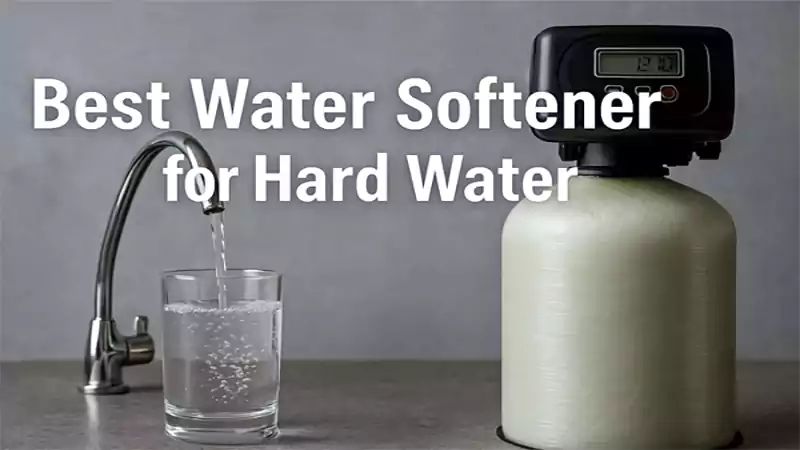
Ans: It is an advanced technology that purifies hard water of harsh minerals such as calcium, magnesium, etc., so that it can be softened in its composition.

How Much is a Water Softener? Consider an In-Depth Analysis from all the Major Perspectives!
Have you been experiencing dry skin after taking a shower? Do you need a plumber frequently due to accelerated corrosion caused by mineral accumulation? Do each of your water appliances at home experience frequent breakdowns? If yes, these are the major signs that you might have a hard water supply at home.
In that case, installing a water softener system for filtration is a must. Thus, consider how much is a water softener in this article, furthermore. The cost and various aspects are analyzed below from all the major perspectives for a complete overview.
Table of Contents:
- What is a Water Softener and How Does it Work?
- How Much is a Water Softener in 2026?
- What are the Benefits of Installing a Water Softener?
- How Much is the Water Softener Installation Cost?
- Total Cost of Ownership – Long-Term Expenses After Water Softener Installation
- How Much Does the Water Softener Cost by Home Size?
- What are the Factors that Affect Water Softener Pricing?
- Is a Water Softener Worth the Cost?
- A Quick Comparison Between Water Softeners vs Other Water Treatment Systems
- When Should You Install a Water Softener During Construction?
- Final Thoughts for Homeowners
- FAQs
What is a Water Softener and How Does it Work?
Before we analyze various aspects of how much is a water softener costs, let’s first talk about the nature of hard water, how water softening systems work, and the types available in the market.
What is Hard Water?
Hard water is water containing a high concentration of dissolved minerals, like calcium and magnesium. Water often picks up these minerals while passing through deposits like limestone or chalk. This type of water—hard water—doesn’t form lather with soap very easily. Additionally, when passing through the plumbing system, hard water causes mineral buildup in pipes and appliances, which can increase the need for water softener maintenance.
How Water Softening Systems Remove Minerals
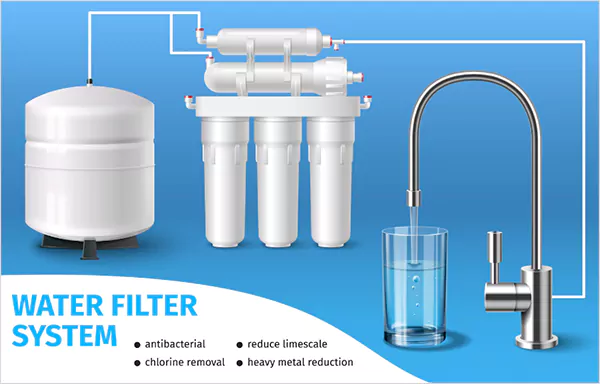
Water softening systems remove minerals by using ion exchange. Hard water passes through resin beads coated in sodium ions. The resin attracts and traps the hard minerals, releasing sodium into the water. Once the resin units are full of hard minerals due to softening, the brine tank, part of the system, provides re-coating to the beads from time to time.
Types of Water Softener Systems Used in Homes
- ION Exchange Water Softeners
- Salt-Free Systems
- Water Distilling Systems
- Magnetic Systems
- Reverse Osmosis (RO) Systems
Almost all types of houses require the installation of water softeners if they face a hard water supply in their localities.
How Much is Water Softener Maintenance in 2026?
Do you ask how much is a water softener costs? This section analyzes the cost of the product and its installation from various perspectives. Have a look at the average cost, whole house water softener cost, portable & compact water softeners, and price differences by system types.
Average Cost of a Water Softener
The average water softener cost, including installation, typically ranges from $1,000 to $3,000. Prices vary widely based on type, capacity, and home size. Cost by model type is as follows.
Whole House Water Softener Cost Range
A whole-house water softener system typically costs between $1,000 and $6,000, including both equipment and professional installation. However, the exact figure varies from model to model.
Portable and Compact Water Softening System Costs
The soft water system cost also fluctuates depending on the portability and compactness. Here, the typical range of cost is between $150 and $600, with specialized RV/travel units often priced in the $200–$400 range.
Price Differences by System Type
Consider the price difference below, according to the various softening system types.
- Salt-based (ion exchange): $600–$2,500
- Salt-free system: $500–$2,000
- Dual-tank system: $1,200–$4,000
- Magnetic/electronic: $200–$600
Although Choice Home Warranty prices don’t include water softening systems, there is always the option of an add-on. You can add the coverage of the water softeners to the general policy by paying extra for the element.
What are the Benefits of Installing a Water Softener?
The key benefits of installing a water softener are multiple, namely, protection of plumbing & appliances, reduced maintenance, improvement of cleaning efficiency, enhancement in skin & hair health, saving money & energy, and cleaner laundry & dishes.
- Protection of plumbing & appliances: Mineral accumulation and corrosion in pipes and water-using machines like heaters, dishwashers, and washing machines are eliminated, leading to durability.
- Reduced maintenance: The durability, as mentioned above, leads to reduced frequency of repairs and fixes from time to time. Appliances with soft water run longer and function more smoothly.
- Improvement of cleaning efficiency: With soft water, soaps and detergents work effectively and form better lather, leaving no sticky film behind.
- Enhancement in skin and hair health: Hard water involves harsh minerals that strip natural oil and moisture out of the skin and hair, leading to dryness and itchiness. But with soft water, there is no such problem.
- Saving money & energy: With soft water, heating efficiency increases and thus lowers utility bills considerably.
- Cleaner laundry & dishes: Harsh minerals also lead to damage to dirty laundry and expensive dishes. Thus, with soft water, this problem also gets resolved.
How Much is the Water Softener Installation Cost?
The question, “How much is a water softener?” has been approximately answered so far. Now, let’s deal with its installation cost and related aspects.
1. Professional Installation Cost in the US
The professional water softener cost with respect to its installation starts from $800 and might reach up to $3,000 and even beyond. The major factor that influences the price is the type of water softener you choose and its features.
2. Plumbing Modifications and Labor Charges
If your home isn’t already pre-plumbed for a softener, it will require extra expenses, leading to the estimates as mentioned below.
- Plumbing modifications: $200 to $800 for pipe reconfiguration
- Labor time: 2 to 4 hours
- Additional costs: Electrical outlet and other needs can add $100 to $500 to the expenditure.
3. Cost If Installed During New Home Construction
Installing home systems during initial construction is the most cost-effective decision. It is the better choice as compared to a retrofitted installation. Such a setup only costs $1,000 to $3,000, including both the soft water system cost and minimal labor charges.
This rule of cost-effectiveness also applies to a bigger system, i.e., Commercial HVAC in Fort Worth, etc.
Total Cost of Ownership – Long-Term Expenses After Water Softener Installation
The analysis “how much is a water softener” is incomplete if we don’t factor in long-term expenses after its installation. In short, the total cost of ownership (TCO) for a water softener ranges from $150 to $400 per year, without considering the initial purchase and installation expenses.
1. Salt and Maintenance Cost Per Year
Maintenance-related culligan water softener cost per year significantly depend on the hardness of the water and also the frequency of use. Generally, salt costs start from $5 per month and can even reach up to $300 per year.
2. Electricity Usage Cost
Energy consumption generally amounts to 5 to 10 kWh per year in the case of a water softener system. Such readings result in expenses of $10 to $15 per year in most regions.
3. Repairs and Replacement Parts
Repairs and replacement parts are also a crucial aspect of the water softening system cost. Common parts like O-rings, seals, and spacers may need replacement every 5 to 7 years, roughly costing between $50 and $150. Furthermore, replacing the resin bed can require between $100 and $300 whenever needed.
4. Expected Lifespan of a Water Softener
Although the longevity of a system depends on water quality and build type, consider the following points for a general idea.
- Standard Systems: Most residential ion-exchange units last 10 to 15 years.
- High-End Systems: Premium models can even last up to 20 years.
Note: In many places, the water supply contains a high concentration of chloride, which shortens the lifespan of a water-softening solution. In that case, a carbon pre-filter must be used to extend the durability.
How Much Does the Water Softener Cost by Home Size?
Now, let’s move our discussion on “how much is a water softener,” to the home size, and see how this factor influences the overall expenses.
1. Water Softener Cost for 2–3 Bathroom Homes
The culligan water softener cost in the case of 2-3 bathroom homes is approximately $1,200. This figure can even reach up to $2,500 for the unit itself and its installation.
2. Water Softener Cost for Large Homes (4+ Bathrooms)
Large homes with over 4 bedrooms require high-capacity, often dual-tank systems. Such large units typically have a high cost of water softener system, reaching even up to $10,000, starting from $2,500.
3. Water Softener Cost Based on Water Usage
A high-usage household with very hard water (20+ GPG) might require a premium system costing upwards of $1,200 to $1,800 for the unit alone, with higher installation fees. Here, the water softening system cost totally depends on the water hardness and daily usage.
Also Read: Average Bedroom Size: Complete Guide to Dimensions, Layouts & Design Tips
What are the Factors that Affect Water Softener Pricing?
The major factors that significantly affect how much is a water softener are grain capacity, brand & technology, local labor rates, and water hardness level. These are elaborated below.
Grain Capacity
Grain capacity is a crucial aspect of the cost of water softener system. It is a measure that informs about how much hardness a system can remove before it requires regeneration—the higher the capacity, the higher the cost.
Brand & Technology
Premium brands often use higher-grade materials and offer longer warranties. Such factors indeed increase the upfront as well as maintenance costs but also provide long-term efficiency.
Local Labor Rates
Professionals who are experts at installing water softening systems often ask for higher charges. Their expertise ensures precision and accuracy in the process. But the prices they ask are higher than what unprofessional locals charge.
Water Hardness Level
A high water hardness level requires a more durable, high-capacity system to manage the purity of the water and make it softer. The higher the hardness is, the more capable the system is required to be, leading to a hike in the expenses.
Is a Water Softener Worth the Cost?
Yes, it is definitely worth it with the benefits such as savings on plumbing repairs, impact on appliances, skin & hair benefits, and energy efficiency impact.
Savings on Plumbing Repairs
Hard water damages the plumbing system by causing mineral build-up. Calcium and magnesium accumulate inside pipes and fixtures, damaging them from within. This makes the plumbing system require frequent repairs. Thus, water softeners reduce this frequency, saving high costs.
Impact on Appliances
Furthermore, softened water extends the lifespan of various appliances such as washing machines, dishwashers, and water heaters by 30% to 50%. Hard water leads to mineral deposits in various parts of the appliances, leading to early damage and failures. Many homeowners also ask how much is a water softener costs when considering this long-term benefit.
Skin and Hair Benefits
Hard minerals damage the skin and hair by removing essential oils and irritating the surface. Thus, with soft water, the quality of the user’s skin and hair improves. Thus, whatever the water softening system costs at the moment, it has various benefits in the long run, from financial to health-wise.
Energy Efficiency Impact
Softeners can reduce annual water heating bills by up to 27% to 30%. This is because with the hard water, the heating system has to work a lot, and thus, more energy is consumed. The same is also true with respect to other water using applainces.
A Quick Comparison Between Water Softeners vs Other Water Treatment Systems
After considering the discussion so far on “how much does a water softener cost?”, let’s move on to a quick comparison between three major systems, namely a water softener, a reverse osmosis system, and a water conditioner. Also, consider when to choose each of these.
Comparison Between Water Softener vs Reverse Osmosis
| Feature | Water Softener | Reverse Osmosis (RO) |
| Primary goal | Prevents scale/protects plumbing | Purifies drinking water |
| Method | Ion exchange (replaces minerals with salt/potassium) | Mechanical membrane filtration |
| Maintenance | Regular salt refills | Filters change every 6-12 months |
| Removes | Calcium, magnesium | Minerals, heavy metals, chemicals, bacteria |
Comparison Between Water Softener (Salt-Based) vs Water Conditioner (Salt-Free)
| Feature | Water Softener (Salt-Based) | Water Conditioner (Salt-Free) |
| Primary function | Removes calcium/magnesium and harsh elements from the water | Reduces/neutralizes scale |
| Hardness removal | Yes | No, as the treatment leaves minerals in |
| Soap lather | High | Low |
| Maintenance | Regular salt refills | Very low, no salt needed |
| Operating costs | High | Low |
| Best for | Extremely hard water | Mild hard water, scale prevention |
| Typical cost | $1,500 (high) | $2,150+ (can be high) |
When You Need Each of These Systems
- Water softener: You need it in case of hard water, causing scale buildup on faucets, white spots on dishes, stiff laundry, dry skin/hair, or reduced appliance efficiency.
- Reverse osmosis (RO): You need it for purifying drinking water by removing contaminants like lead, fluoride, arsenic, chlorine, or total dissolved solids (TDS).
- Water conditioner: You want to reduce scale buildup in pipes and appliances but don’t want to use salt and don’t want to remove healthy minerals. Hence, this is the best choice when the water is not that hard.
When Should You Install a Water Softener During Construction?
The best time to install a water softener is during the pre-plumbing stage of construction. It lowers the water softener system cost considerably, compared to a retrofit installation.
- Best Stage in Plumbing Planning: Integrate the softener during the rough-in plumbing phase. This allows for a dedicated “softener loop” to be installed before walls are closed.
- Pre-Construction vs Post-Construction Installation: The former is cheaper than the latter. After the construction, installing a water softener requires dismantling and modifying the established systems, which adds extra charges to the process.
- Builder Recommendations: Install a bypass loop and a nearby drain and electrical outlet during the build. This helps protect new appliances from day one and allows for easy maintenance.
Final Thoughts for Homeowners
As amply discussed above, an average range of $1,000 to $3,000 is the brief answer to “How much is a water softener?” However, the actual price is subject to change, as per the various factors such as water hardness level, installation time, condition of the current plumbing, etc. Thus, before installing a system, factor in all such aspects so that there is no hidden cost to consider later. For more information, visit Houseura to explore detailed guides, tips, and recommendations before choosing the right water softener for your home.
FAQs
Q: What is a water softener?
Q: What is a tankless water softener?
Ans: It is another name for a salt-free water conditioner or scale control media (SCM) system.
Q: How much is Lowe’s water softener?
Ans: It typically ranges from $357 to over $900 for the unit.
Q: What affects the water softener system cost?
Ans: The water softener system cost depends on capacity, system type, brand, and installation complexity.
Q: How much does water softener maintenance cost?
Ans: Annual water softener maintenance usually costs between $150 and $400, depending on usage and water hardness.