When moisture causes surface wear, spalls flake off or become loose. When water expands, it expands against the brick’s surface.

Common Causes of Brick Damage and How to Prevent Them
As of 2026, brick continues to be a primary building block for beautiful structures and strong buildings. However, how long a brick lasts is determined by the proactive protection against environmental stresses.
While today’s masonry is built using the newest technologies to enhance the durability of the wall system, moisture, salt crystals, and invasive vegetation have the potential to destroy the most well-built walls. To understand the natural deterioration of masonry, homeowners must take time to learn about how to prevent huge repair costs.
Identifying the common causes of these types of damage early and establishing seasonal maintenance habits can help to maintain the natural beauty of the brickwork while also providing a safe, warm environment for you and your family. In this guide, we will discuss the causes of brick deterioration and provide actionable, expert-based solutions to keep your brick in perfect condition for decades.
KEY TAKEAWAYS
- Most brick damage stems from water penetration and the destructive freeze-thaw cycle.
- Properly sloped soil and clean gutters prevent foundation-level moisture from weakening mortar.
- Keep climbing ivy and moss away from brick surfaces to prevent root-based structural separation.
- Regular “repointing” and the use of pH-neutral cleaners are essential for long-term masonry health.
Water Damage
Water is the number one risk to brickwork, and brick itself is a strong product. However, brick is porous and will absorb significantly when any of the following happens: the rain falls when groundwater is present, and when water hits a brick surface and runs off.
When it has entered, Des Moines brick repair often becomes necessary because the water may make the brick body and the mortar joints holding the wall together fragile. The structure of the brick is deteriorated and facilitates the process of decomposition through repetition of wet and dry cycles over time.
Seeping water during a freeze-thaw cycle does a lot of damage to a brick wall, as the expanding ice pushes out against the cracks and pores in the brick. With the repeated cycles of freezing and thawing, bricks get more severely damaged and can possibly destroy both the mortar joints and the structural characteristics of the building.
How to Prevent It
To prevent water damage:
- Use a good-quality masonry sealer on brickwork to create a barrier against the penetration of water.
- It is necessary to ensure cracks or damage in the mortar are sealed as soon as possible to avoid water intrusion.
- In a freezing climate, apply either a water-repelling sealant that is freezing-capable to prevent freezer thaw damage and exclude moisture in the pores of the bricks.
Moisture from Poor Drainage
Water that is not properly directed can pool around the foundation or base of a brick structure. If there is a build-up of moisture due to improper site drainage, the wet earth may be absorbed into your bricks and mortar, weakening them. The result is wet earth around the bottom of your structure, creating conditions for bacteria and internal moisture to form.
How to Prevent It
- Slope the soil surrounding the property away.
- Gutters and downspouts should also be kept clean and maintained to be able to direct the water in such a way that it does not hit the brick walls.
- Where there are ongoing drainage issues, then you may want to install a French drain, a surface drain or any other subsurface system to drain off the water.
Physical Impact and Vibration.
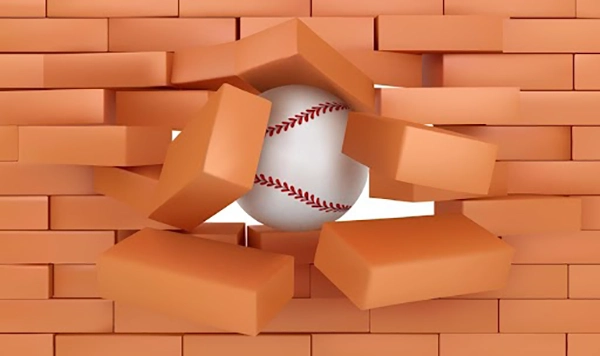
Physical damage to bricks can occur from heavy objects hitting them, like from demolition activities or other construction-related activities.
Mortar joints may also be weakened over time as a result of vibrations caused by nearby heavy traffic, construction activities, or even rail lines. Understanding how external forces can bend a brick wall can help property owners recognise early warning signs and reduce long-term structural risks.
How to Prevent It
- Store heavy equipment and objects at a distance from the walls and foundations of the bricks.
- In case of repeated vibration, it can be considered in terms of structural reinforcement or protective buffers that can reduce the impact forces.
- Check bricks and mortar regularly to ensure that any cracks that are small are sealed before they develop.
Harsh Weather Conditions
Bricks endure a variety of climates and environmental conditions, including wind, hail, heat, cold, and fluctuating temperatures. The extreme weather can, and usually does, cause stress to the brick surfaces and the mortar joints, which will lead to the brick cracking or the bond of the brick to the structure loosening.
The wind may blow sand and other materials across the faces of the bricks, and hail may chip the face of a brick off. The heat causes the brick to expand, and the cold causes the brick to contract, and this repeated expanding and contracting wears away at both the bricks and the mortar.
How to Prevent It
- Protective covering, such as awnings or overhangs in the open places, should be installed to ensure that the surface of the bricks is not directly exposed to the weather.
- Select the types of bricks that have been rated to withstand the local climate, particularly the ones that are to withstand the freeze-thaw cycles and the extreme temperatures.
- Brickwork can be reinforced by regular sealing and maintenance against adverse conditions.
Invasive Plant Growth
Climbing plants such as ivy and all forms of climbing plants are beautiful accents for a brick wall, but can create many problems. Plant roots and stems extend into the mortared joints between bricks, separating them from each other and therefore weakening the entire structure.
Some climbing plants have stems that attach to the wall, rather than attaching through rooting, but collect moisture from contact with the bricks, causing the bricks to deteriorate more quickly, thus aiding in the potential for mould or moss to grow.
How to Prevent It
- Eliminate vegetation around brickwork regularly.
- Plants that climb up should be taken off direct contact with the brick wall using trellises or supports.
- Periodically check the mortar joints and wall surfaces to detect signs of plant intrusion.
Salt Damage
When water-soluble salts dissolve in water and migrate to the surface of the brick, visible crystalline “efflorescence” forms as the water evaporates. This is especially common in areas using de-icing salts or in coastal regions with salty breezes. Salt crystallizing in the pores of the brick creates internal pressure, resulting in spalling and erosion of the surface of the bricks.
How to Prevent It
- Use waterproofing solutions on brickwork where salt is likely to get in.
- Wipe off salt formations as regularly as possible through light stroking or mild washing to avoid accumulation.
- Select alternative ways of de-icing at the brickwork to minimise contact with salt.
Poor Mortar Maintenance
Mortar between the bricks is an important part of the wall, as it holds the wall together and acts as a barrier to moisture. Over time, the mortar may deteriorate or fail due to age, water damage or harsh weather conditions. Damaged or missing mortar creates an unstable structure while also allowing additional moisture to penetrate and damage the bricks more quickly.
How to Prevent It
- Check mortar joints periodically, checking whether they are cracked, whether there are cracks or gaps or whether they are crumbling.
- Repointing This is the removal of old crumbling mortar and the replacement of the old material with fresh mortar in order to restore strength and weather resistance to the brickwork.
- Select mortar mixes that suit the moods and nature of the building in order to maximise longevity.
Chemical Exposure
Certain chemicals, like acidic cleaners and other strong cleaning products, can potentially damage the brick surface by eroding the outer layer, causing discolouration, and compromising the integrity of the brickwork. Also, routine contact with abrasive materials may result in decreased quality of the brickwork over time.
How to Prevent It
- Do not use acidic and very abrasive cleansers on brick surfaces.
- Apply cleaning solutions that are pH-neutral and test them on a small area first before applying on the brick itself.
- To keep the brick looking good look a warm water with a mild soap is enough to clean it without damaging the bricks.
Conclusion
Bricks are very durable and stable materials, but they are not immortal. By being aware of the frequent destructive characteristics associated with bricks, including using the preventative steps outlined above, brick owners can greatly enhance the longevity of their brickwork and enhance its visual appeal.
This is especially important during the early planning stages, as following key steps to building a house can help prevent costly structural issues later on.
What does spalling mean?
How often do I need to re-seal my bricks?
Under most conditions, it’s typically 5-10 years from installation of the breathable masonry sealer until you need to apply another coat, depending on the severity of the weather in your area.
Is ivy harmful to brick?
Very old bricks made of lime-based mortar will be harmed by ivy; however, although newer bricks made of cement-based mortar are less likely to suffer from moisture, they can still have problems.
Why has my brick turned white?
The problem is possibly caused by efflorescence from salt-containing moisture or other material, which evaporates from the surface of the brick and leaves behind the salt as a residue.”
Related Posts