Yes, it can be very dangerous, mainly because of highly flammable lint buildup.

The Science of Lint: Why Your Dryer Vent Gets Clogged So Fast
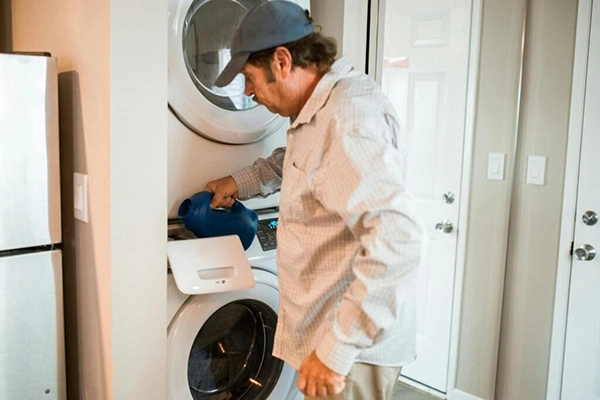
Are your clothes taking longer to dry than usual? There might be a common reason behind it, and that is none other than lint. Every time you run your dryer, tiny fibers from clothes break offend travel through the vent, and with time, this lint builds up and slowly blocks airflow, making your dryer work harder than it should.
Now, a lot of people don’t realize that this link doesn’t just collect in the filter, but it also gets trapped inside the vent. As airflow drops, drying time increases, energy goes up, and automatically, the risk of overheating grows.
In this article, we will explore what lint is, why it builds up so fast, and why Dryer Vent Cleaning is important. So let’s dive in.
What Lint Really Is
Every load you dry sheds fibers including tiny threads from cotton, fleece, towels, even synthetic fabrics. Those bits mix with heat and humidity, then ride the exhaust air toward the vent. Most of them catch on the filter, but not all. Some drift past and stick to the walls of the duct. One layer becomes two, then ten, and pretty soon you’ve got a blanket forming inside the pipe.
It’s part fabric, part dust, part static glue. That’s why it clings so hard once it starts.
Why It Happens So Fast
You’d think the lint screen would stop everything, but dryers move air under pressure. Each cycle pushes thousands of cubic feet of warm and moist air through a narrow vent. The faster that air moves, then the more fibers slip past the filter.
Add bends in the duct or long runs that snake behind walls, and the buildup happens even quicker. The air slows, the lint sticks, and airflow drops. Every load adds a little more.
This isn’t just about how long you’ve had the dryer. Once airflow slows, heat climbs, and the lint starts breaking loose faster. Before you know it, you’re running loads twice just to get them dry.
The Hidden Problems behind It
A clogged vent does more than slow drying because as the dryer works harder, it burns more electricity. Of course overheats its motor. And that’s when you start smelling that faint scorched-lint odor, the one that makes you peek around just to be sure.
Left long enough, it turns dangerous. Lint is dry, fluffy, and perfectly flammable. Just one spark from a heating element can ignite it inside the duct. Looks harmless, right, but it burns fast and hot. Fire departments deal with thousands of calls every year, mostly from vents that never get cleaned—especially in multi-level home layouts, such as a split level house, where duct systems often run through multiple floors and hidden spaces.
Even before it gets that bad, a clogged vent shortens your dryer’s life. Belts strain, bearings heat up, and sensors start failing.
Why Dryer Vent Cleaning Works
Professionals don’t just brush out the visible parts. They run flexible rods deep through the duct and use high-powered vacuums to pull every layer loose. Some even use cameras to check for buildup behind walls. You’d be surprised how much comes out – gray lint packed tight like insulation.
Once it’s clear, airflow returns immediately and the dryer runs quieter. The laundry dries faster, and the room doesn’t get that baked smell anymore.
They’ll also check the vent flap outside the house. That flap should open easily when the dryer runs; if it sticks or barely moves, airflow’s still restricted.
Keeping It From Coming Back
You can slow buildup between cleanings. First, empty the lint trap after every load, not every few. Check the outside vent next, a few times a year is good, especially after windy days. Most importantly, try not to overload the dryer because more fabric means more lint, which moisture keeps it clumped.
Still, even with these good habits, every vent needs that full, thorough cleaning annually or twice a year. You can’t see what’s inside those metal runs, and that’s where most of it hides—making professional commercial cleaning practices essential for maintaining proper airflow and long-term system efficiency.
In the End
Dryer vents don’t clog in a day or overnight. They slowly build up quietly until the air just can’t move anymore. A simple but good Dryer Vent Cleaning clears the path and keeps heat where it belongs—inside the drum, not creeping into the wall.
You’ll notice it right away. The cycles run shorter, the air smells cleaner, and the clothes feel dry again. Sometimes safety really does start with something as small as lint.
Is a clogged dryer vent dangerous?
How often should the dryer vent be cleaned?
It should be cleaned at least once a year.
What are the common signs of a clogged dryer vent?
Some common signs are longer drying time, dryers, or clothes feeling hot to the touch, a burning or musty smell, excess lint around the vent, etc.
Can a clogged vent affect energy efficiency?
Yes, a clogged vent can affect energy efficiency by forcing your HVAC system or dryer to work much harder.
Related Posts