A lean-to roof acts as an extension of a home, supported by a wall and is used to cover walkways, have a covered car shelter, outdoor seating area covering and more.

Australian Home Essentials: Installing Wall-Mounted Letterboxes and Building Lean-to Roofs

Australian homes are made with practicality in mind, as weather conditions can be quite rough and unforgiving, from intense sun and heat to heavy rain and coastal winds, which means homeowners regularly search for upgrades.
Both these projects offer good convenience and reliability in these adverse climatic conditions, and are really quick and easy to build and install for homeowners who love DIY.
This guide contains installation steps, a construction overview, and suggested materials to help you build the perfect lean-to roof and letterbox on your own.
Key Takeaways
- Why upgrade to the wall-mounted letterboxes instead of traditional alternatives
- Easy installation guide to correctly build a wall-mounted letterbox
- Suitable materials to use for a lean-to roof
- Simple construction overview for the upgrade
Wall-Mounted Letterboxes for Australian Homes
Mail delivery is still an important part of daily life in Australia. From letters and government documents to small parcels, having a reliable letterbox ensures deliveries remain protected and easy to access.
Wall-mounted letterboxes are really common among homes with limited front yard space or modern entryways. Unlike the traditional standalone post box attached to a pole on the street, this type of letterbox connects directly to a wall, fence or even a pillar.
This approach provides a clean and practical solution that suits many Australian properties.
Why Wall-Mounted Letterboxes Work Well in Australia
Australian weather conditions can be unpredictable. Strong sunlight, coastal winds, and sudden rain showers can all affect outdoor fixtures.
Wall-mounted letterboxes help address these challenges in several ways.
- Weather protection: Mounted close to the house or under eaves, they provide better protection from rain and harsh sunlight.
- Security: Being near the front door or entrance wall makes it easier to monitor deliveries.
- Space efficiency: Ideal for townhouses, urban homes, or narrow front gardens.
- Modern appearance: Many designs complement contemporary Australian architecture.
- Accessibility: Homeowners can easily collect mail without walking to the end of the driveway or street boundary.
If you are exploring options for your property, you can check out wall mounted letterboxed designed specifically for Australian homes and weather conditions. These designs are more focused on toughness and practicality while also matching local architectural designs.
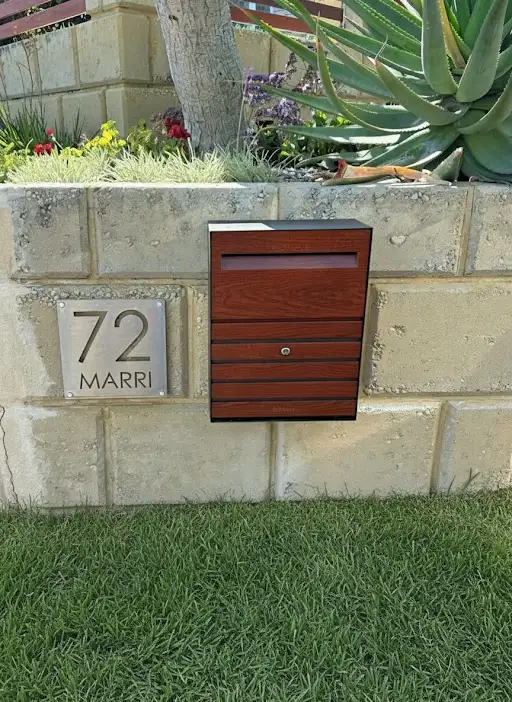
Simple Installation Steps for Australian Properties
Installing a wall-mounted letterbox is generally a straightforward task that can be completed with common household tools.
Before starting with the installation, select a location that is easily accessible for the postal delivery person and convenient enough for the family members. Homeowners typically pick out their front gate, entrance door or a boundary wall as a spot for the installation of their letterbox.
Here is a basic installation process.
- Select a mounting surface – Choose a sturdy wall made from brick, timber, or masonry. Ensure the surface is strong enough to support the weight of the letterbox.
- Mark the drill points – Hold the letterbox against the wall and mark the screw holes using a pencil. Double-check alignment with a level.
- Drill pilot holes – Use the correct drill bit for your wall type. Masonry walls require masonry bits and wall plugs.
- Insert anchors or plugs – Wall plugs help screws grip securely in brick or concrete surfaces.
- Secure the letterbox – Attach the letterbox using corrosion-resistant screws suitable for outdoor use.
- Test the door and opening – Ensure the lid or door opens smoothly and closes securely.
Remember to keep an appropriate height to allow easy delivery of mail and convenient retrieval. Many homeowners install the box roughly at chest height to make access simple.
By choosing durable materials such as powder-coated steel or aluminium, the letterbox will remain functional even in coastal or high-sun environments.
Fun Fact
Australia is the only country in the whole world that covers an entire continent and is also one of the largest countries on Earth.
Building a Lean-to Roof in Australia
While a letterbox improves the front entrance of a home, a lean-to roof can transform outdoor space in a much bigger way.
A lean-to roof is a simple roof structure. It slopes down from an existing wall and is usually supported by long posts on each side to balance out the weight.
As it relies on an existing structure for support, it needs less complex framing than independent roofs.
This simplicity makes it a popular project for homeowners who want to expand usable outdoor space.
Common Uses for Lean-to Roofs
Lean-to roofs are incredibly versatile and can serve several practical purposes around an Australian home.
Some of the most common uses include:
- Carports that protect vehicles from intense sun or rain
- Outdoor seating areas for barbecues and family gatherings
- Garden storage shelters for tools and equipment
- Covered walkways connecting different parts of the property
- Patio extensions that create shaded relaxation spaces
Because the structure attaches to an existing wall, it blends naturally with the house while extending its functionality.
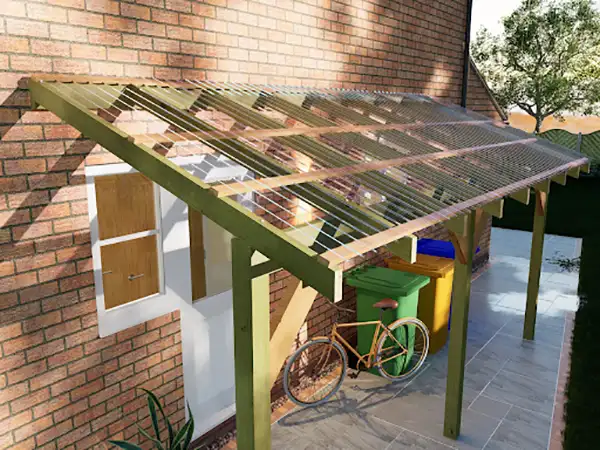
Materials That Work Best in the Australian Climate
Selecting the right materials is important for durability and long-term performance. Australian conditions often involve strong UV exposure, heavy rainfall, and occasional storms.
Common materials used in lean-to construction include:
Roofing materials
- Corrugated metal sheets
- Colorbond steel panels
- Polycarbonate roofing for light transmission
Structural materials
- Treated timber framing
- Galvanised steel posts
- Steel brackets and fasteners
Colorbond steel is usually used across Australian homes as it resists corrosion and stays firm even in high-temperature environments.
Proper drainage is also essential. The slope of the roof should guide rainwater away from the house and into gutters or drainage systems.
Simple Construction Overview
Building a lean-to roof involves basic structural framing and careful measurements. While the exact process can vary depending on size and local council regulations, the general steps follow a consistent pattern.
- Plan the design – Measure the available space and determine the desired roof height and slope. Check local building guidelines if required.
- Install the wall ledger board – A ledger board is fixed to the house wall and acts as the main support beam for the roof structure.
- Set the support posts – Vertical posts are installed in concrete footings to support the outer edge of the roof.
- Attach the roof rafters – Rafters run from the wall ledger board down to the support beam on the posts.
- Add purlins or battens –These horizontal pieces help secure the roofing sheets.
- Install roofing panels – Corrugated or metal sheets are attached to the frame, ensuring correct overlap and waterproof fastening.
- Add gutters and finishing touches – Gutters direct rainwater away and protect the surrounding area.
For homeowners who prefer a proper, detailed walkthrough guide of measurements, materials and all other necessary advice, it is helpful to review expert resources.
A useful reference is how to build a lean-to roof, which provides detailed instructions for constructing this type of roof structure.
Planning for Australian Weather Conditions

When designing a lean-to roof, Australian weather patterns should always be considered.
Important factors include:
- Ensuring the roof slope allows proper water runoff
- Using corrosion-resistant fasteners and materials
- Installing gutters for heavy rainfall
- Securing roofing sheets against strong winds
Homes in coastal regions may require additional corrosion protection, while inland areas may prioritise heat-reflective materials.
Proper planning ensures the structure remains durable and safe for years.
Conclusion
Small home improvements can make a noticeable difference in both convenience and functionality. Installing a wall-mounted letterbox offers a practical solution for secure and accessible mail delivery, especially for homes with limited space near the entrance.
At the same time, building a lean-to roof can dramatically expand usable outdoor areas. Whether used for a carport, patio extension, or garden shelter, this simple structure adds protection from the elements while enhancing everyday living.
Both projects are suitable for Australian homes and their climatic conditions. Selection of the right materials, attention to details and correct planning make these upgrades complete and allow homeowners to enjoy it’s long lasting effects.
By combining practical features like durable letterboxes and functional roof structures, Australian households can create outdoor spaces that remain useful and comfortable throughout the year.
What is the use of a lean-to roof?
Why is a wall-mounted letterbox better than a traditional letterbox?
A wall- mounted letterbox provides way stronger structural integrity and strength as it’s supported by a big structure, which is very important as it helps it stay protected in windy conditions.
What roofing materials are best suited for Australian conditions?
Corrugated metal sheets, Colourbond steel panels and polycarbonate roofing materials are the best for Australian conditions as they stay firm and steady during harsh climates.
How should I better plan for Australian conditions?
Use corrosion-resistant materials and fasteners, install gutters for heavy rainfall and ensure you use heavy-duty and weather-resistant materials to build or upgrade your home.