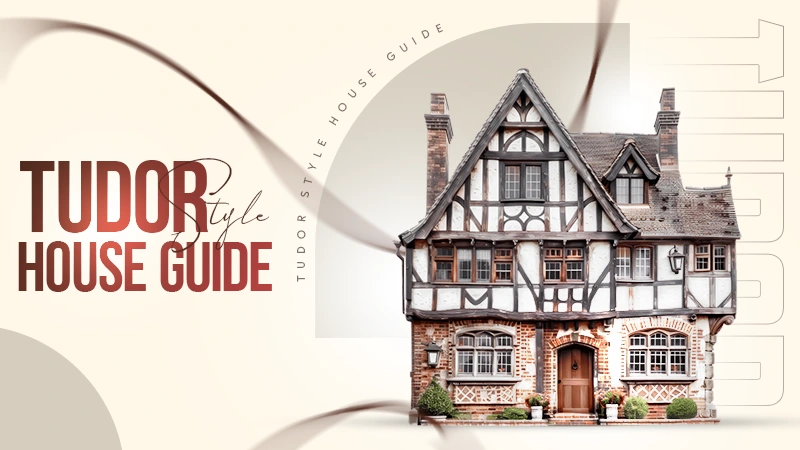
Ans: A building that has steep, gabled roofs, distinctive half-timbering, and a chimney on its sides refers to the Tudor house.

Tudor Style House: History, Features, Types, Benefits, & Crucial Considerations
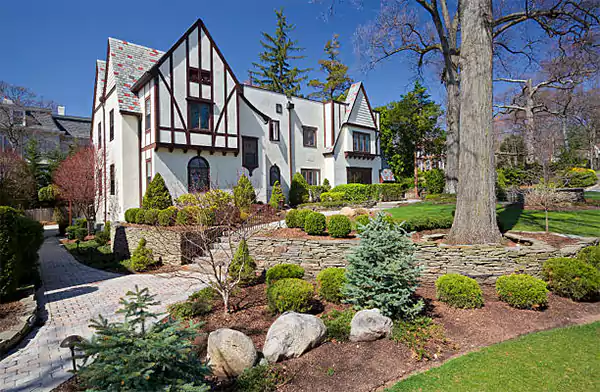
Tudor style house continue to captivate homeowners with their timeless charm and distinctive architectural character. Featuring steeply pitched roofs, decorative half-timbering, and warm aesthetics, these homes offer a sense of craftsmanship that feels both classic and enduring.
Beyond their visual appeal, the Tudor style architecture is valued for their strong construction, durable materials, and thoughtful design that easily adapt modern lifestyle requirements, making it relevant today as ever.
So, if you ever plan to buy or design a Tudor home in a charming place like Settle or Portland, read on to discover key details about this distinctive architectural style and heritage.
Table of Contents:
- What is the History and Legacy of the Tudor Style Homes?
- What are the Key Architectural Features of Tudor Style Homes?
- Durability and Longevity of Tudor Style Homes
- Landscaping Ideas for a Tudor Style House
- Different Roofing Options for a Tudor Style House
- What are the Benefits and Limitations of the Tudor Style Homes?
- Different Types of Tudor Style Homes
- What are the Construction Considerations Before Buying Tudor Style Homes?
- Bottom Line
- Frequently Asked Questions
What is the History and Legacy of the Tudor Style Homes?
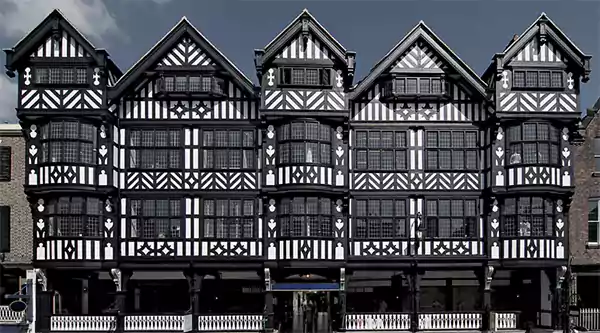
Tudor architecture originated in England during the Tudor dynasty (late 15th to early 16th century), when the building foundation was a blend of practicality and drama. They are widely known for their romantic, storybook steepness, with half-trembling detailing and grouped windows on the exterior, representing the Gothic magnificence and domestic comfort for wealthy people.
Later on, in the late 1800s, architects brought this style to the United States of America, with the peak popularity in the 1920s to 1930s. The Tudor architecture features steeply pitched roofs, tall, narrow windows, decorative chimneys, arched doorways, and brick or stone accents, becoming a powerful signal of the gentry of the Tudor style house.
Even today, the Tudor style home remains popular because it reminds us of the era when buildings had a unique character, soul, and historical charm, offering a comfortable, modern livability.
Also Read: 15+ Best Bathroom Remodeling Ideas for 2026 – Transform Your Space with Style
What are the Key Architectural Features of Tudor Style Homes?
From stucco/stone exterior and masonry chimneys to sweeping staircases and ceiling beams, the Tudor style architecture involves numerous features, delivering different impressions of a tudor style house.
Below, we have illustrated the key components of both the exterior and interior of the Tudor house. Take a look to learn more about this accurately.
1. Exterior Features
With time, the exterior Tudor house style changes a lot. From red brick detailing and grouped windows to stone detailing, the architecture adapts something new, modern, and aesthetic to give a new look to the building, reflecting evolving interior décor trends and modern home styling influences.
Below, we have listed some major exterior features of Tudor style architecture. Check them out.
1. Half-Timber Detailing
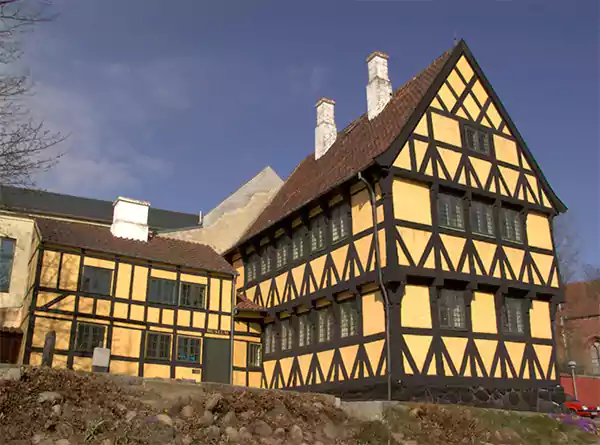
Long and decorative beams that are placed vertically as the roof of the building. It is the most common pattern that remains the same in all Tudor style houses since the 14th century. This structure is designed using wood frames (heavy timber) with its panel coated with material like stone, brick, or plaster.
2. Stucco/Stone Exterior
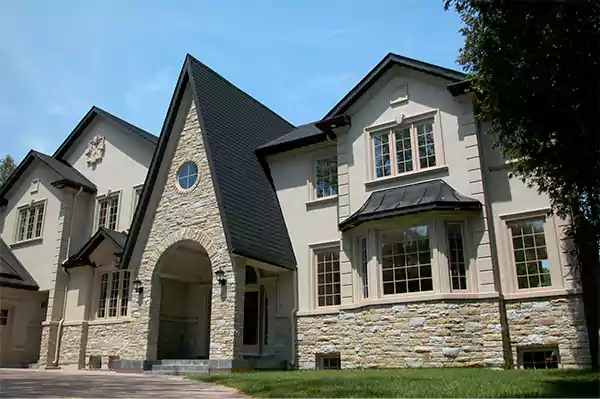
A stone or a light colour stucco fills the gaps between timbers and windows, creating a two-tone pattern for an aesthetic look. Accordingly, a surrounding wall of the property is also made up of stone and brick. This is not only visually pleasing, but also provides a strong foundation of tudor house.
3. Red Brick Detailing
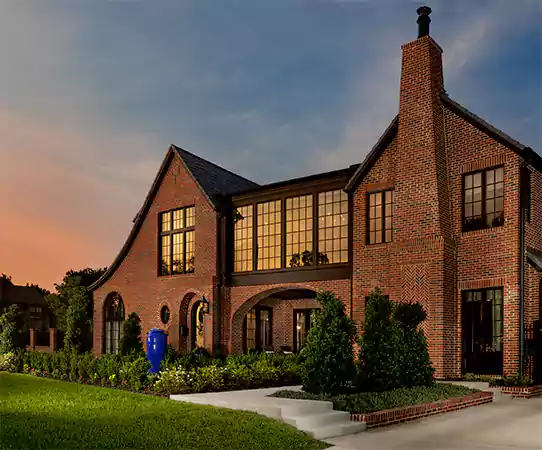
Apart from the half-timber, the entire exterior is covered with red-toned brick, delivering the historic charm to the buildings of a tudor style house. It was generally inspired by the traditional Tudor style home, featuring a brick chimney, a stone-clad exterior, and the vibrant red delivers a pleasing vibe to the place.
4. Grouped Windows
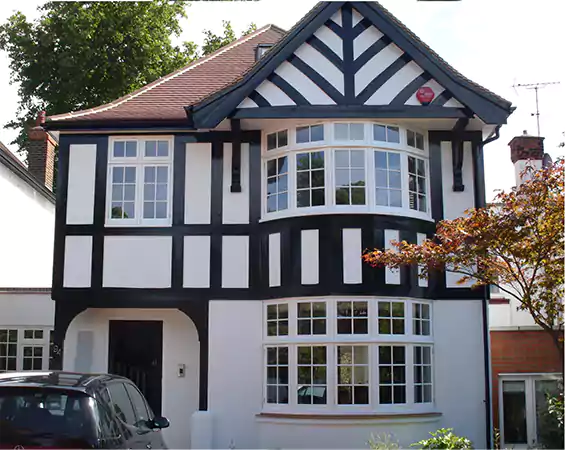
Long, rectangular glass windows are often augmented with oriel or bay windows. It gives a front-open design, delivering comfort with direct sunlight and a clear view of the rain. This is a modern adaptation that people usually add to their Tudor house, making it more visually pleasing and balmy.
5. Masonry Chimneys
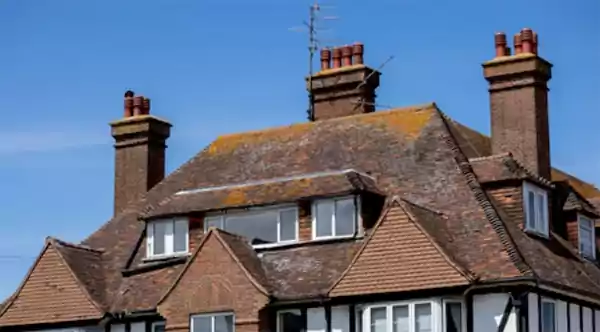
The half-timber shape is often designed with different shapes of chimneys in more decorative ways in a tudor style house. Sometimes they are rectangular or cylindrical, offering a proper ventilation process with an aesthetic design. Providing proper ventilation and moisture control, this chimney system is both visually pleasing and enhances home functionality.
2. Interior Features
The interior of the Tudor revival has not changed much. Houses blend the ancient English charm with the modern comfort, portraying the same romantic, fairytale book steeped in tradition with the latest amenities.
Examine the table below to comprehend different interior features of Tudor style homes.
| S.No | Prominent Attributes | Images | Effects |
| 1. | Ceiling Beams | 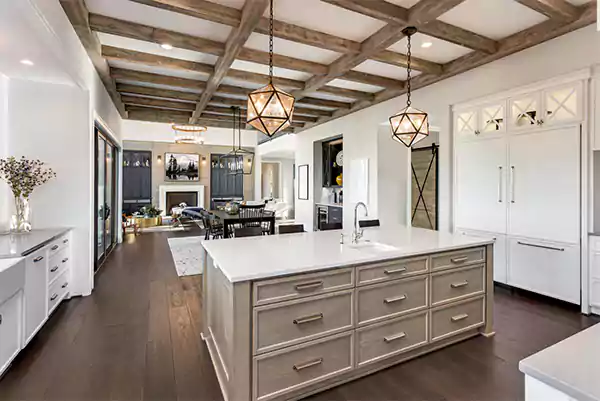 | The English Tudor homes rooftop features non-load-bearing ceiling beams that are usually stained dark. It’s just a simple Tudor architecture ornament that delivers an ancient touch to a modern arrangement. |
| 2. | Sweeping Staircases | 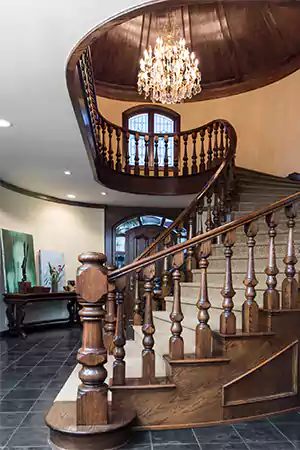 | The wooden sweeping staircases are commonly found in almost all Tudor style houses that span different floors. They are grand and often designed in a curved or spiralled form. |
| 3. | Tile, Brick, or Wood Floors | 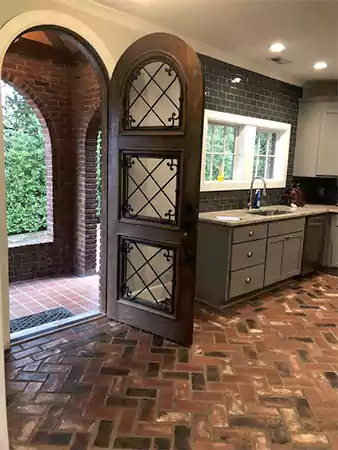 | Typically, during the 1400s to 1600s, the house had wooden floors for the upper-class people. But now there are different Tudor style homes floor plans, from tile and brick to wood, you can opt for any one, according to your preference. |
| 4. | Dark Wood Panel Walls | 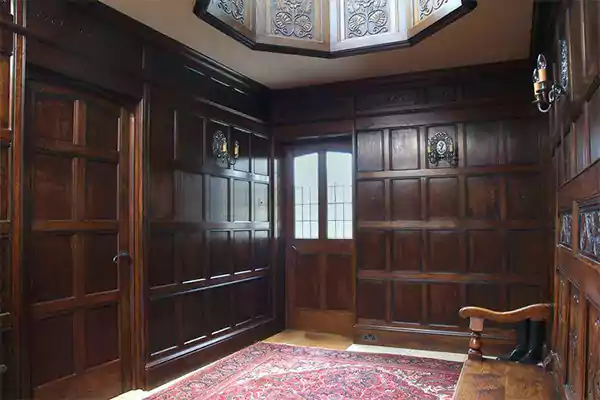 | Modern Tudor houses either have completely white plastered walls or have dark wood panels, giving an Elizabethan Tudor impression. |
Thus, exposed beams, dark wood panelling, grand fireplaces, and sweeping staircases are some common interior Tudor architecture features that are found in both ancient and modern times in a tudor style house. Evidently, there are lots of new adaptations to make historic things convenient for a more contemporary lifestyle.
Suggested Read: Rambler House: Features, Major Structure Styles, & Crucial Considerations!
Durability and Longevity of Tudor Style Homes
Whether original period properties or 20th-century properties, the Tudor style buildings are renowned for their robust durability and exceptional longevity. Evidently, Tudor homes are designed with rugged natural materials that last for generations.
Thus, examine the pointers below to comprehend the primary characteristics of the Tudor home that furnish outstanding durability and longevity.
- Structural Strength: Tudor house foundations are built using several strong elements, such as solid masonry, brick/stone exterior walls, and wood/brick roof timbers in a tudor style house. This helps the building withstand time, weather shifts, and daily use for at least 50 years.
- Weather Resistance: Since the start, the Tudor architecture has always included steeply pitched roofs that perfectly manage rain and snow drainage, preventing pests or any other damage. Additionally, the thick and durable exterior material walls offer strong protection against winds, storms, or weather changes to the home foundation.
- Long-Term Value: With constant maintenance, the Tudor home’s durability, timeless design, and strong construction contribute to the long-term performance of a tudor style house, making it one of the most beneficial investments for future generations.
Landscaping Ideas for a Tudor Style House
A thoughtful and well-designed design gives a complete look to the Tudor style home. From English-style gardens, stone or brick pathways, to low hedges and curved walkways, there are lots of landscaping options you can opt for, making your place more aesthetic.
Below, we have elaborated on some primary features in detail. Check them out.
1. English-Style Gardens
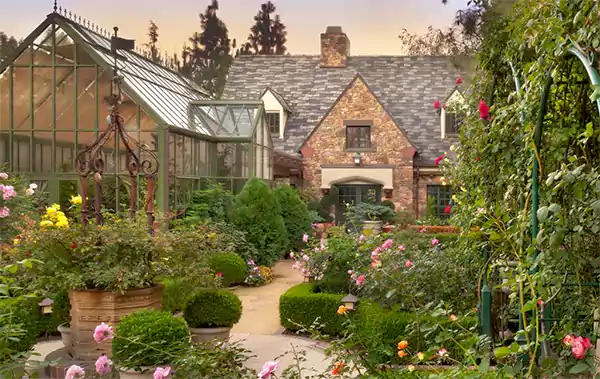
This is a combination of traditional and modern Tudor architecture in a tudor style house. The side layers are planted with the flowering shrubs, perennials, and cottage-style blooms, giving a soft, romantic look to your place. Along with this, the soft colour combination of flowers delivers a sense of comfort rather than an overly formal one.
2. Stone or Brick Pathways
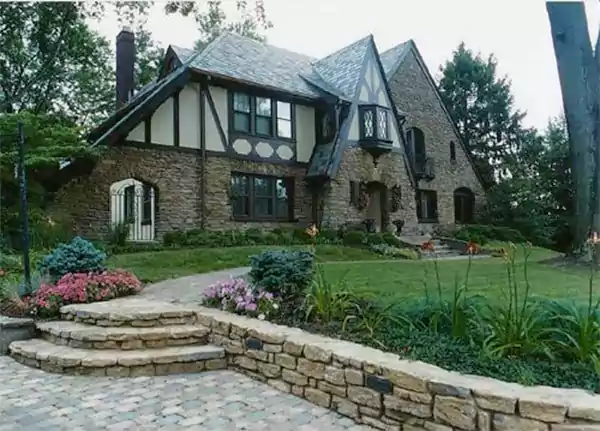
With stone providing organic elegance and brick offering authentic, durable choices, they are combined to design timeless aesthetic pathways for the Tudor home in a tudor style house. Generally, lighter stone shades are used for entries against the darker brick/stucco or vice versa, forming a creative, wide pathway for the place.
3. Curved Walkways
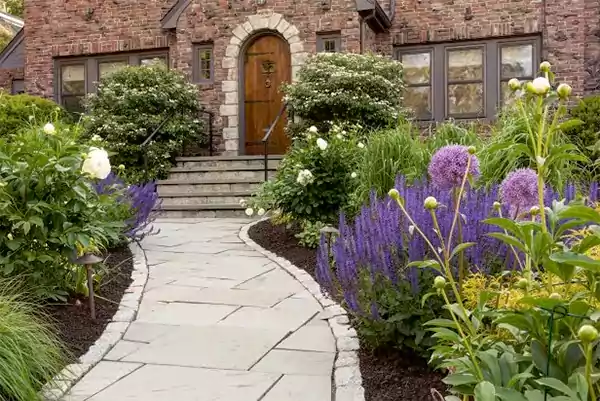
Most people prefer curved walkways over the straight ones, because this creates a sense of movement and discovery. These gentle curves soften the home’s strong side lines and make the way to the door more inviting. Additionally, the herringbone pattern is the most common and timeless Tudor architecture detail for curvy pathways.
4. Decorative Pathways With Low Hedges, Ivy, and Climbing Plants
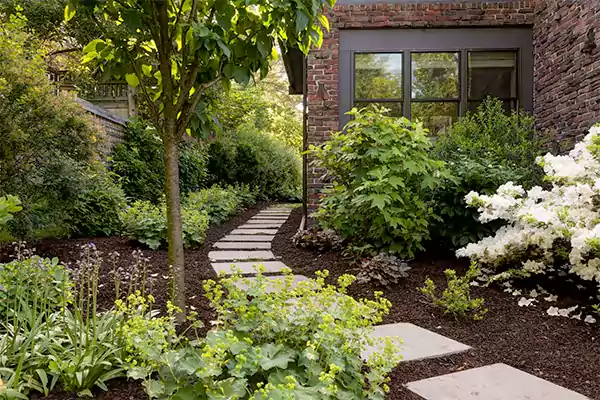
Design your primary entrance with natural stone, brick, or cobblestone materials, framed by low boxwood hedges and accented with ivy or climbing roses for a tudor style house. This will soften strong architectural lines, enhance texture, and create a timeless, inviting curb appeal. If you are a naturalist, this will be the perfect exterior for your place.
Different Roofing Options for a Tudor Style House
For Tudor homes, the roof is the most important aspect that needs to be designed very carefully. Today’s homeowners have several options, from traditional characters to modern changes; they can opt for anything according to their preference.
Below, we have mentioned some primary roofing options that balance style, durability, and maintenance. Take a look.
- Traditional Slate Roofing: Slate is one of the most authentic options for the Tudor home. It delivers robust durability and lasts for more than 75–100 years or more. Notably, slate material is fire-resistant and can withstand harsh weather with proper maintenance. However, installing slats is quite expensive, but their maintenance is low.
- Traditional Shingles (Wood or Architectural Asphalt): The shingles offer a vintage charm and classic rusting look for a tudor style house, but frequently require maintenance and are less fire-resistant. Interestingly, they are lightweight, easy to install, offer the same texture as wood or slate and are the most affordable option for homeowners with low budgets.
- Metal Roofing: This is the modern alternative, featuring impressive durability (40–50 years) and highly resistant to weather, fire, and pests. Also, it is lightweight, requires low maintenance and comes in a dark shade that can be easily paired with any colour combination of exterior walls.
- Standing Seam Metal Roofs: The standing seam metal roofs are prominently known for a sleek, modern look, featuring traditional form with contemporary materials for a tudor style house. It delivers excellent durability (40 years or more), is highly weather-resistant, low-maintenance, and good for rain and snow drainage.
What are the Benefits and Limitations of the Tudor Style Homes?
Evidently, the modern Tudor style house serves numerous benefits, including a unique style, spacious place, durable material, and many more. But there are also some potential drawbacks that we shouldn’t ignore.
Thus, explore the table below attentively to comprehend the benefits and limitations of this unique design house thoroughly.
| Benefits | Limitations |
|
|
|
|
| |
| |
| |
|
Different Types of Tudor Style Homes
As we have aforementioned, this historic design has undergone numerous changes, adapting to the latest modifications, according to the centuries. For instance, in the 1400s, the house had a Gothic tradition touch that changed into the Elizabethan Tudor during Queen Elizabeth I’s reign (1558-1603).
Accordingly, we have mentioned the primary types of the Tudor style homes in a tabular form. Take a quick look. This evolution clearly reflects the architectural journey of the Tudor style house.
1. Tudor Gothic
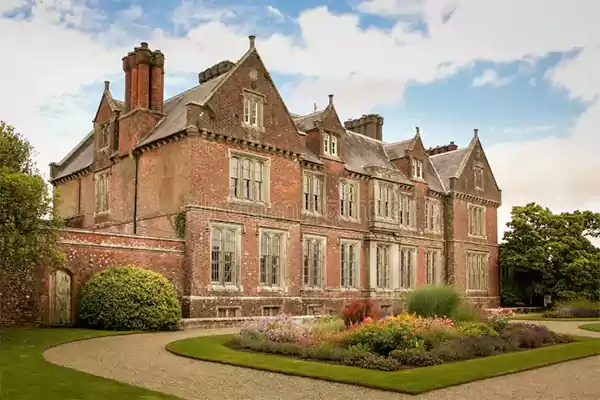
The Tudor Gothic architecture began in late medieval England. It perfectly blends the Gothic arches with the Tudor style design. With the half-timber structure, the house exterior is designed with stone or brick, featuring steep roofs, tall windows, and decorative chimneys.
Beyond this, the Gothic layout focuses on a strong, elegant presence with symmetry & large halls.
2. English Tudor
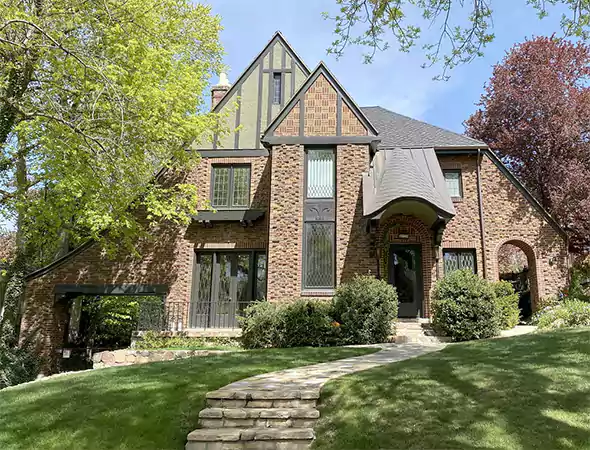
The English Tudor period was introduced in 1485-1603, a significant era marked by the English Reformation under Henry VIII and the Elizabethan Age. Keeping the same steep roof, brick/stone exterior, this structure includes tall chimneys and leaded windows which are defining features of a Tudor style house.
Accordingly, the layout focuses on large halls, balanced spaces, and comfort with early modern living.
3. Elizabethan Tudor
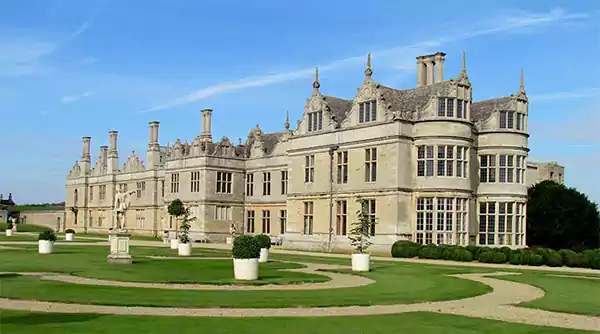
This grand structure of a Tudor house was introduced in England during Queen Elizabeth I’s period. The half-timber, tall chimneys, and stone exterior were kept the same while adding the mullioned windows and ornate details to it.
Additionally, the layout features long galleries, grand halls, and attractive symmetry, showcasing the wealth and royal status of the prosperous people of the society.
4. Tudor Revival (1920s – 1940s America)
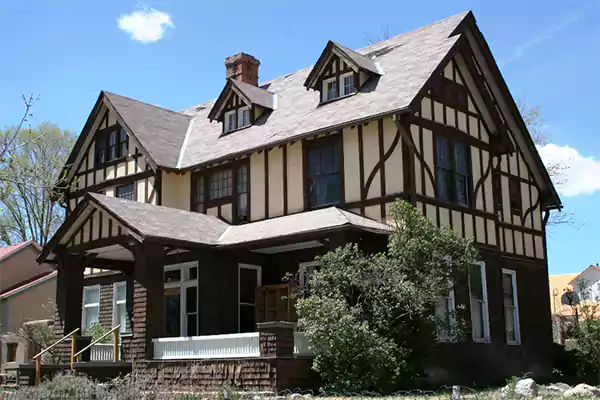
The Tudor Revival was the most renowned structure in the United States, roughly from 1890, reaching its peak in the 1920s and 1930s, where it topped the Colonial Revival period, giving rise to the popularity of the Tudor style house.
With arched entryways, narrow windows, tall chimneys, and steeply pitched roofs, the revival structure layout incorporates spacious interiors and modern equipment, making its functionality convenient and comfortable.
5. Cottage Tudor
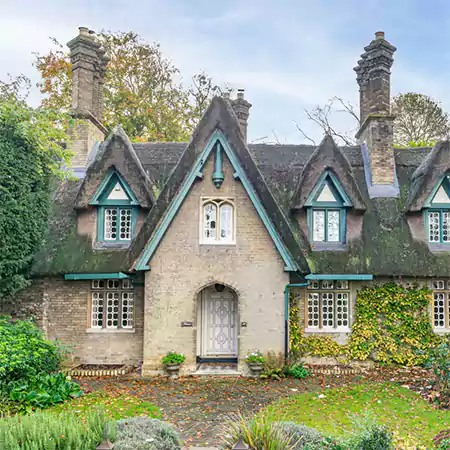
Inspired by medieval English cottages, the cottage Tudor home delivers a unique charm and beautiful storybook feel to the homeowners. This is small-size comparing to the regular Tudor homes, aiming to provide a comfortable, cozy interior to small families.
However, the exterior does not change much; it still features half timber, square windows, stone/brick walls, and beautiful herringbone pattern pathways.
6. Modern Tudor Homes
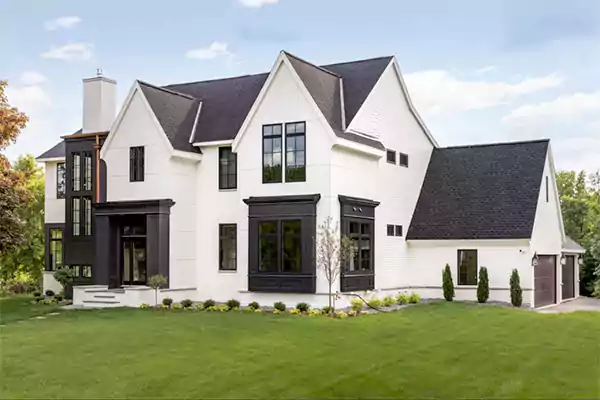
Combining the classic medieval English charm with contemporary living, the modern Tudor homes feature iconic elements like prominent gables, traditional steeply pitched roofs, and decorative half-timbering, reflecting the essence of a Tudor style house.
Additionally, it has updated open-floor plans, narrow windows, and low-maintenance materials like vinyl siding, authentic masonry, and cultured stone instead of heavy wood, keeping the vintage Tudor charm alive.
What are the Construction Considerations Before Buying Tudor Style Homes?
Roof material, maintenance requirements, durability, and the rest are some considerations you must consider when looking for the cheapest state to buy a house in the USA, or before redesigning your place in Tudor style.
Below, we have elaborated on these factors. Check them out.
| Attributes | Details |
| Roof Options & Material | Usually, tudor style house features steeply pitched roofs. Also, materials like slate, clay tiles, or architectural shingles, which enhance authenticity, may affect the pricing. |
| Roofing Cost | Roofing can be the most expensive element due to complex slopes and premium material, and it entirely depends on the roof’s size, complexity, and the material you choose. |
| Maintenance Requirements | Detailed exteriors, half-timbering, masonry, beam roofs, and wooden furniture in a Tudor style houseoften require timely inspections, sealing, and repairs to prevent moisture damage and weathering. |
| Long-Term Maintenance Planning | To maintain the healthy home structure and visual integrity, homeowners should plan for regular roof inspection, timber treatment, chimney cleaning, and drainage maintenance. |
| Climate Suitability | Tudor house perform best in cold climates. In hotter or humid regions, the home requires proper insulation, ventilation, and moisture control. |
| Material Selection | Opt for weather-resistant wood alternatives, high-quality masonry, and modern composites. |
| Durability | The original Tudor house contains high-durable material, including heavy timber detailing, a robust roofing system, and masonry walls, contributing to long-term structural strength in a Tudor style house. |
| Costing | The cost of a Tudor house may vary, depending on how old the property is, its condition, and the area. You can get a small, cottage Tudor house for around $500K, but the luxurious one can cost up to a million. |
| Budget Considerations | Before buying or designinga Tudor style house,Ahomeowners should consider several factors, such as higher initial build costs, potential restoration expenses, and ongoing maintenance charges to keep their budget intact. |
Bottom Line
In a nutshell, Tudor style house designs may have old-school features, but their charm, aesthetic, and welcoming atmosphere are still different. With the decorative half-timbering, tall, prominent chimneys, and steeply pitched roofs, they stand out in a world full of modern boxes.
So, if you have land and are planning to build your dream Tudor house, remember, don’t rush and do your thorough research. Also, contact the biggest construction companies in the U.S. and get the right guidance.
Frequently Asked Questions
Q: What are the specific features of a Tudor style home?
Q: What are the different types of Tudor homes?
Ans: American Tudor Revival, Mock Tudor, Jacobean Tudor, and Tudor Gothic are some primary examples of this unique style of home.
Q: How to identify a Tudor house?
Ans: The Tudor buildings are easily identified by their exterior, which includes steeply pitched roofs, half-timbered tops, group windows, and dark-coloured wooden interiors.
Q: What are the disadvantages of the Tudor style home?
Ans: The maintenance, redesigning, or renovation of this architectural building is more expensive than the usual ones.
Q: What are three major facts about Tudor style homes?
Ans: The three major facts are:
- Many Tudor buildings have thatched roofs.
- They often have large open gardens.
- Mostly Tudor style homes are in a black and white theme because the furniture, roofs, and even the floors are made of expensive wooden material.