Ans: Burner systems, gas tanks, the surface of the table, lava rocks or fire glass, and gas connections are the components of an outdoor fire table.

What Maintenance Do Outdoor Fire Tables Require?
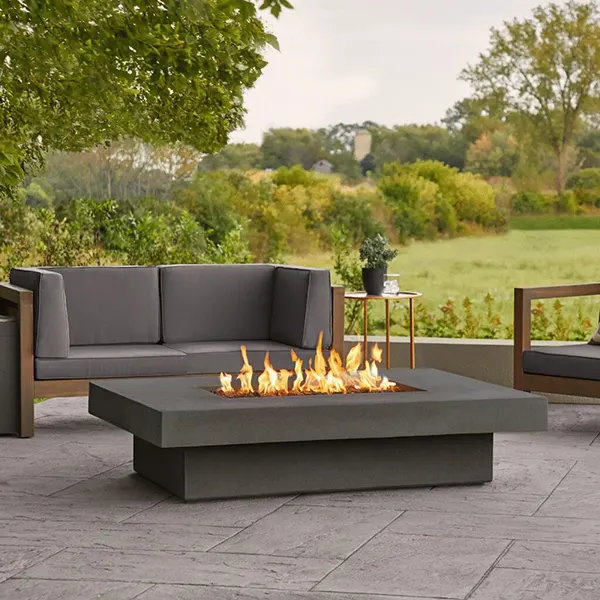
Outdoor fire tables have become a favorite feature of many backyards and patios, providing warmth and creating a comfortable space for people to gather during cooler months.
However, they do require proper care to work well and last many years. Routine tasks like cleaning, fuel checks, and leak inspections are simple and take little time. Regular maintenance of these ensures safe operation and appearance.
Let’s look at a few basic steps that prevent problems and keep the fire table looking pristine through every season.
Key Takeaways
- All the components of the fire table require periodic and regular cleaning to ensure proper functioning through all seasons
- Carefully refill natural gas tanks with fuel after checking the gauge meter
- Mix liquid soap and water in a spray bottle and apply it to all connections to notice bubbles, indicating a leak
- Cover the fire table with a custom water-resistant cover for full protection of the unit
Regularly Clean the Fire Table Surface and Burner to Remove Debris and Prevent Clogging
The surface of fire tables for patio seating areas needs regular attention to stay functional and safe. Leaves, dust, and other outdoor debris can build up quickly. This buildup affects the table’s appearance and blocks the burner over time.
Burner systems require cleaning at least once a year. But tables get used often and require more frequent cleanings. Blockages or uneven flames are caused by debris stuck in burner ports. A soft brush works well to clear these ports and remove soot buildup.
Fire glass or lava rocks also need periodic washing to remove accumulated dirt and soot. Homeowners should rinse these materials with water and let them dry completely before placing them back in the fire table. This simple step keeps flames burning bright and even.
Dirt and spider webs in the control panel can interfere with the ignition system. A quick wipe-down with a dry cloth makes sure that these issues do not arise and systems keep running smoothly.
Check and Refill Propane or Natural Gas Tanks as Needed for an Uninterrupted Fuel Supply
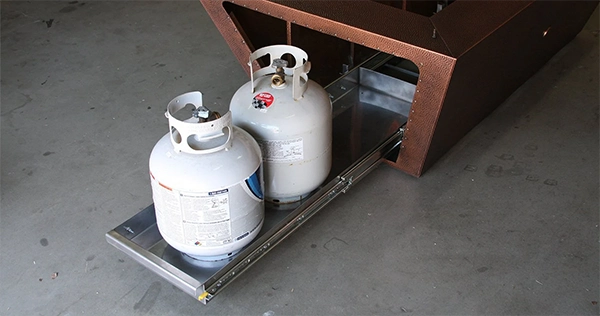
Fire table owners must monitor fuel levels regularly to avoid unexpected shutdowns. Checking propane tanks after each use, especially during frequent operations. Most tanks have a gauge meter that displays the remaining fuel level.
For propane systems, users should refill tanks before they drop below 20% capacity. This practice prevents the tank from running empty and helps maintain consistent pressure. Natural gas connections typically don’t require refills since they connect directly to the home’s gas line.
Propane tank inspections must occur according to safety standards. Tanks need professional recertification every 10 to 12 years, depending on local regulations. Proper storage of backup propane cylinders matters for safety. Store them upright in well-ventilated outdoor areas away from heat sources.
Users must transport propane tanks with caution and secure them during vehicle transport. After refilling, check every connection for a leak by applying soapy water to the connections and looking for bubble formation. This simple test helps identify potential problems before they become hazards.
Inspect Gas Connections and Hoses Periodically for Leaks Using a Soap and Water Solution
Gas fire tables need regular leak checks to stay safe. A simple soap and water test can help detect leaks at connections and hoses before they become dangerous.
To perform the test, mix equal parts liquid dish soap and water in a spray bottle. Apply the solution to all gas line connections, valves, and hose fittings while the gas is on, but the fire table is not lit. Bubbles that form and grow indicate a leak.
Remember to check each connection carefully and pay close attention to areas where hoses attach to the gas tank. If bubbles appear, turn off the gas supply immediately and tighten the connection. Test again after any adjustments.
Experts recommend this simple test every few months during the season. This works well as it requires no specialized tools and provides accurate visual results. However, avoid harsh soaps that could damage metal fittings over time.
Fun Fact
While outdoor fire tables are high-tech, fire pits themselves are some of the oldest human structures, found in ancient pits that date back to past civilisations.
Cover the Fire Table with a Weather-Resistant Cover When not in use to Protect from Rain, Snow, and UV Damage
A quality cover protects fire tables from damage caused by outdoor elements. Rain and snow can lead to rust, corrosion, and pitting on metal surfaces. UV rays from the sun fade colors and break down materials over time.
The best covers feature weather-resistant materials like vinyl or heavy-duty polyester. These fabrics should repel water while also resisting UV damage. Breathable fabric prevents moisture from getting trapped inside, which can cause mold and mildew problems.
Secure fasteners keep the covers in place during high winds. Custom-fit covers are better than generic ones as they provide complete protection to your unit without leaving any gaps. Most covers designed for fire tables include ventilation to allow air circulation.
Owners should apply the covers whenever the unit is not in use for extended periods. This prevents expensive repairs and extends the overall life of the fire table.
Perform Seasonal Deep Cleaning, Including Removing and Cleaning Lava Rocks or Fire Glass
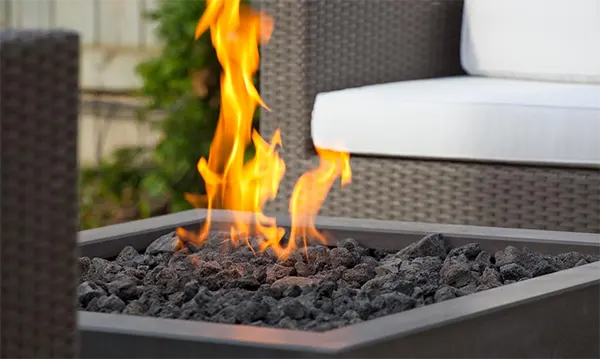
Lava rocks or fire glass must be deep-cleaned at least once a year. However, fire tables that are used frequently may require more attention throughout the year.
The process starts with a complete cooldown period. Owners must wait at least 24 hours after the last use before they remove any materials from the fire pit. This prevents burns and allows ash to settle.
To clean lava rocks, users can either burn off debris or wash them manually. The burn method involves placing aluminum foil over the rocks and running the burner to eliminate grease and grime.
For manual cleaning, mild soap and water work well. After washing, rocks must dry completely before anyone returns them to the fire pit. Moist rocks can explode from trapped water vapor during the next use.
A fire glass requires a gentle approach. Users should rinse the glass with water first and allow it to air dry thoroughly. This method removes soot and holds the material’s reflective qualities, making the flames more visible.
Conclusion
Regular maintenance keeps outdoor fire tables safe and extends their lifespan for years to come. Most tasks take just a few minutes, from basic cleaning after each use to seasonal deep cleans and inspections.
Fire table owners who follow simple care routines will enjoy better performance and avoid costly repairs down the road. The specific maintenance schedule depends on fuel type and how often the fire table gets used, but all models benefit from consistent attention throughout the year.
Q1) What are the components of an outdoor fire table?
Q2) Why should I regularly clean my outdoor fire table?
Ans: Regular cleaning of the fire table ensures that all its systems and functions work well throughout the year, and expensive repairs are prevented.
Q3) What kind of cover should I use?
Ans: A custom cover for the fire table is a better option than a generic one, as it leaves no gaps and covers every part of your unit comfortably.
Q4) How do I check for leaks in the gas tank?
Ans: Mix dish soap and water in a spray bottle and apply it to all the gas connections carefully. If bubbles are formed, it means that there are leaks in the connections.
Related Posts