Not always, but a vibration that is increasing continuously should never be ignored. This might be a signal of components that are not in good condition.

5 Subtle Signs Your Machine Is Failing
Machine failure can have a significant effect on the operations, which can result in financial losses and production-related problems. Being one of the most essential parts of the operations, machinery needs careful attention. Failing to do so might result in performance delays.
You might ask – but how to know if the machines are on the path to fail soon? With the help of some common signs, such as unusual grinding or squealing noises, decreased hydraulic response, or a sudden drop in fuel efficiency, the alert comes from the machines.
Keep reading this post that shares about 5 subtle signs your machine is failing.
Key takeaways
- Heavy machines usually give some warning signs before failing; paying attention may spot them early.
- Small maintenance fixes at the right time may help to prevent delays in operations and heavy investment afterward.
- Strange noises, unusual vibrations, and slow hydraulics are never normal for anyone.
1. Unusual Grinding and Squealing Noises
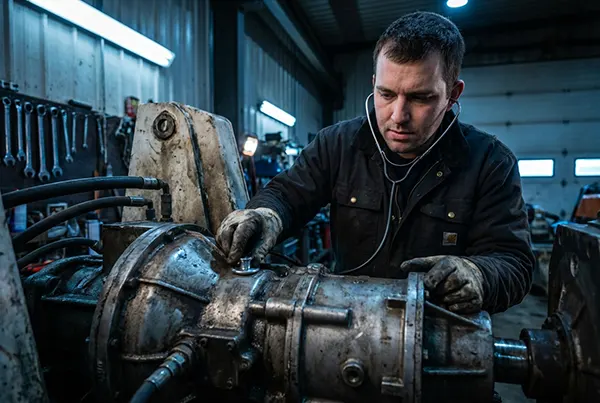
Not all equipment noise is cause for alarm, as bulky machinery is loud by nature. However, experienced operators know the difference between normal operational sound and acoustic feedback that indicates mechanical friction. Trusting that instinct is critical.
Grinding is the sound of metal on metal contact where there should be fluid, lubricant, or a protective component between surfaces.
During travel, grinding typically points to the drive system, indicating worn bearings or degraded drive motor internals.
Grinding during hydraulic operation often signals pump wear or internal contamination. Squealing falls into two categories, which are mechanical and hydraulic.
Mechanical squealing usually comes from belt or bearing friction. Hydraulic squealing, particularly a high-pitched whine during pump engagement, is a classic sign of cavitation, meaning the pump is being starved of fluid and pulling in air.
Knocking is highly serious, typically indicating a loose internal component such as a damaged piston or a loose drive chain.
Ignoring these sounds causes metal damage to compound quickly. A small bearing issue can turn into a big drive motor repair if left untreated, and hydraulic cavitation will destroy pump parts in a few hours.
To handle this, keep apart the noise by setting up each system separately and verifying the hydraulic fluid levels.
When replacing worn mechanical components, utilize exact-match Bobcat skid steer parts or verified aftermarket pump internals.
This means the system functions correctly without placing extra stress on nearby fixtures. Taking this step saves further damage and fixes your machine to full working capacity.
Important: Never ignore high-pitched hydraulic whines. Cavitation can destroy fragile pump internals within just a few hours of operation, turning a simple fluid top-off into a costly and avoidable system-wide rebuild.
2. Decreased Hydraulic Performance
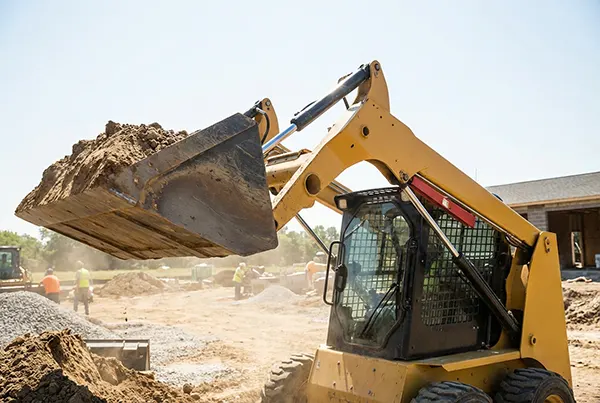
A sluggish bucket lift, a delayed tilt response, or attachment functions working through resistance are textbook hydraulic system issues.
Slow changes often go unnoticed because they arrive bit by bit. Over time, people grow used to lower speed without realizing it has become normal.
A drop in fluid power often comes from the pump wearing out, so pressure drops. Flow slows when gunk blocks the filter, cutting movement. Weak pumping plus dirty filtering weakens system reach.
Internal cylinder seal leaks, letting fluid go around, or low fluid levels from slow seepage are also common culprits. Running a hydraulic system with these rules builds excess heat.
This thermal load promotes seal decay, warps pump components, and can push the system into complete failure.
Always check the hydraulic fluid level and condition first. Fluid that looks milky or has a burnt odor needs urgent replacement.
Inspect and replace hydraulic filters if they are past their service interval. Check every visible hose and cylinder for weeping seals.
If performance does not reset after servicing the fluid and filters, test the pump output pressure against the service guidelines.
3. Excessive Vibration During Operation
Every compact machine produces vibration due to high torque outputs on variable terrain.
However, excessive vibration felt through the seat or transmitted up the control arms is a mechanical warning.
It is also noticed as an unsteady sensation during travel and represents a severe safety issue.
Common culprits include worn drive motors introducing rotational imbalance, deteriorating bushings, and pins that have developed loose play.
Misaligned undercarriage components such as tracks, rollers, and idlers also cause significant shaking. Vibration is a self-compounding issue that requires immediate attention.
One rusted bushing creates play that prompts wear on nearby components, while improper track wear harms the entire transmission system.
Over time, structural frame stress builds up and gives rise to major repairs. Visually inspect all undercarriage components for uneven wear patterns to catch issues early.
Check each pin and bushing point for movement that should not be there. Inspect drive motor mounts for looseness during your regular maintenance routine.
Addressing any component showing abnormal wear before it transfers stress to neighboring parts preserves structural integrity.
4. Visible Wear and Tear on Components
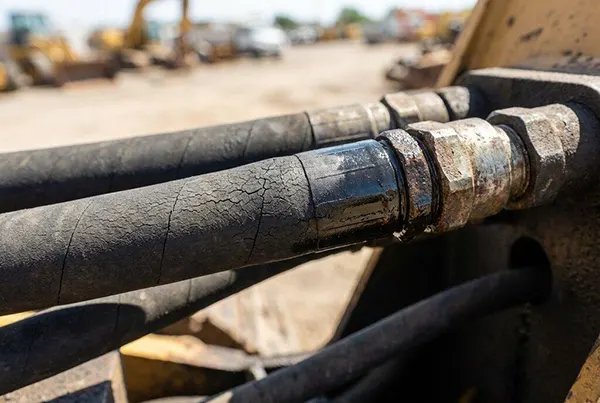
Visible damage is usually avoided because it is easy to dismiss as just cosmetic.
A cracked hose, a weeping seal, or a corroded connector is not a subtle flaw. They are actually mechanical failures that are already in progress.
Hydraulic hoses got weak from sun damage, heat cycling, and age over time. Seals weaken from fluid contamination and normal service life, while rust on fittings develops wherever moisture and waste meet.
A cracked hose under operating pressure does not slowly leak, but rather it fails suddenly.
A blowout mid-operation releases high-pressure fluid, creating safety risks and an immediate loss of all system pressure.
Leaking cylinder seals eventually contaminate surrounding components and worsen the overall damage. Walkaround inspections must be a strict daily habit before beginning any heavy work.
Run a visual check along every accessible hose, looking for cracking or bulging. Check cylinders for wet residue around seal contact points.
Replace all rubber components at the very first sign of failure rather than waiting for an active drip.
Pro Tip: Use a clean rag to wipe cylinder rods during your daily walkaround. This helps you spot “weeping” seals early before they develop into active leaks that contaminate the job site and drop pressure.
5. Drop in Fuel Efficiency or Power
When a machine starts requiring more throttle to maintain the same output, the engine is fighting against systemic resistance.
This is also true when fuel consumption climbs without any change in workload. Tracking these efficiency metrics helps catch internal problems before they cause engine failure.
The most common mechanical culprits are clogged air filters restricting combustion airflow, or fuel filters partially blocked by sediment.
Dirty hydraulic fluid creates system-wide drag and early engine compression issues, also draining power.
An engine working against restricted airflow runs hotter and wears faster, while contaminated fuel damages injectors.
Start with filter replacements, which provide the highest return on maintenance efforts. Replace air and fuel filters strictly on the recommended schedule provided by the manufacturer.
If performance falls suddenly, study fuel lines for leaks.
If sluggishness continues after a standard filter and fluid service, a compression check is the ideal next repair step.
Taking these proactive steps keeps your engine running smoothly. This mainly saves money on fuel and stops catastrophic engine rebuilds.
The Bigger Picture of Proactive Maintenance
Each of these subtle warning signs starts small and worsens with continued operation.
Crucially, addressing restricted airflow, weeping seals, and minor vibrations in their early stages requires a fraction of the resources needed for a full failure stage repair. Ignoring them only leads to exponential repair costs.
Pushing through early warning signs under the pressure of project deadlines does not save time.
Instead, it merely borrows against future productivity and guarantees a longer breakdown later. Proactive maintenance protects the functional lifespan of the machine and minimises safety exposures.
This plan ensures operators can continue extreme efficiency rather than battling against tooling that is continually losing its initial performance.
Scheduling downtime for minor fixes is always better than experiencing an unplanned shutdown. Careful attention to machine activity is still the best shield against mechanical faults.
Key Insight: Proactive maintenance is an investment in uptime. Addressing minor vibrations and leaks early costs a fraction of the price of emergency repairs and lost productivity during a total project shutdown.
The Bottom Line
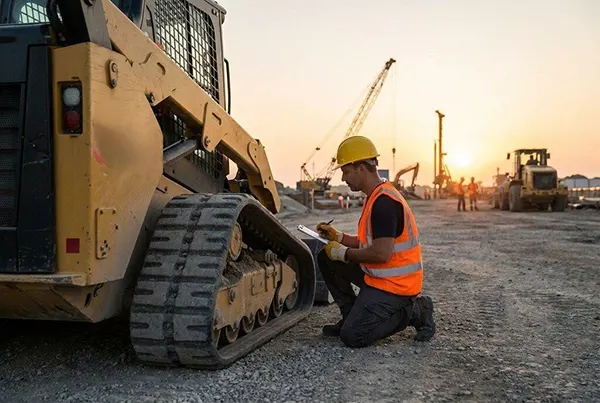
Heavy equipment usually never fails without an alert or warning sign—they ask for some attention before they stop working. Strange noises, slow operations, and rising fuel use are common and early signs that something is not working properly.
To avoid this, considering ten minutes for a pre-shift inspection, listening carefully during startup, and regularly checking fluid conditions are essential practices. Spending a few minutes this way saves days of lost productivity.
In the end, for the use of heavy equipment, prevention is not something to feel burdened by—it’s essential to keep things moving.
FAQs
Is vibration always something to worry about?
Why is active maintenance crucial?
Because small repairs are easily reversible. But when ignored, it may result in costly repairs and delays.
Can poor fuel efficiency show any mechanical issues?
Yes – a sudden increase in the demands of fuel may show a loss of power of the machines.
Related Posts