Both are crucial aspects of an effective execution. Planning needs to be made after a thorough analysis of the available budget.

A Practical Guide to Designing a Home That Works for You
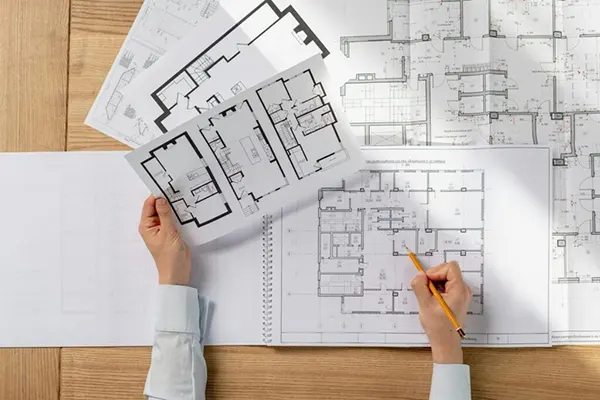
For every homeowner who is currently involved in the process of building a home or wants to give a touch-up to the existing one, there are plenty of preparation steps that need to be considered for the smooth implementation.
Every owner will wish to match their lifestyle with their home design so that things will work according to their daily routine. Serving the basic needs is the main purpose behind renovation and construction.
But ensuring all these factors might become a bit challenging for many. Go through this practical guide that shares information about designing a home that meets lifestyle needs.
Key Takeaways
- A perfect home design ensures the right planning as well as the right execution that matches one’s lifestyle.
- Planning early helps avoid costly changes during construction
- Custom builds allow greater flexibility in layout and design
- Many homeowners work with custom home builders in Sydney to bring their vision to life
Why Thoughtful Home Design Matters
Designing a home is one of the crucial decisions you’ll make, both financially and personally. It’s not just about how the house looks; it’s also about how it runs on a daily basis.
A well-designed home helps you with your daily life, fits your personality, and meets every need. It looks at how spaces are used, how people move through the home, and how various areas relate.
Many homeowners start this process by working with experienced professionals such as custom home builders in Sydney, who can guide design decisions and help shape ideas into a practical plan.
Taking the time to think about what you need beforehand can have a big impact on the final result.
Start With Your Lifestyle, Not Just the Layout
One of the most common errors in home design is relying too strongly on layouts without thinking about how the home will actually be used.
It’s a good idea to think about your daily routine before you start thinking about room sizes or finishes. How you live should impact how your home is designed.
For example, households that spend a lot of time cooking may prioritise a more functional kitchen layout. People who work from home may need a different office space that is not part of their living space.
Families might focus on common spaces, while others may favor more isolated areas for repose.
If you think about how you live when you design your home, it will stay useful for a long time after it’s built.
Planning for the Future
A home should not only meet your current needs but also adjust to future changes.
This might involve growing families, changing work plans, or changing lifestyle choices. Adaptable spaces can help deal with these changes. Rooms that can be used for more than one thing over time are worth more in the long run.
For example, a guest room could later become a home office or a study area. Similarly, open plan spaces can be changed to suit different needs as they develop.
Thinking early during the design phase helps alter the need for major renovations later.
The Importance of Functional Flow
How a home flows from one space to another plays a major role in how comfortable it feels.
Good design looks at how people move around the home, ensuring that movements between rooms feel smooth and practical.
For example, the connection between the kitchen, dining, and living areas often serves as the basis of the home. These spaces are usually used most often and benefit from a layout that supports exchange and easy access.
At the same time, more peaceful areas such as bedrooms should be set up to allow for privacy and rest.
Balancing open spaces with more private zones creates a home that feels both connected and comfortable.
Natural Light and Ventilation
Natural light can greatly affect how a home feels. Well-lit spaces appear to feel more open, cozy, and comfortable.
Setting up windows to maximize natural light can improve both the appearance and efficiency of a home. It can also reduce dependence on artificial lighting during the day.
Ventilation is equally important. Proper airflow helps keep a comfortable indoor environment, especially in warmer climates.
Designing with position, window placement, and airflow in mind leads to a healthier and more relaxing living space.
Choosing Materials That Last
Material selection plays a key role in both the looks and endurance of a home.
While designer choices are important, it’s also essential to look at how materials will perform over time.
Durable materials that are specific to the local climate can reduce repair requirements and increase the lifetime of the home.
For example, flooring, cabinetry, and exterior finishes should be decided with both style and function in mind.
Balancing visual appeal with long term endurance helps create a home that remains useful and attractive for years to come.
Working With the Right Professionals
Planning and developing a home requires many stages, from starting planning to final completion.
Having professionals can make this process smooth and reduce common challenges. While builders, designers, and other experts apply their practical knowledge to guide decisions and ensure that designs are practical.
Furthermore, they identify issues early, helping adjustments to be done before construction starts. Hence, choosing the right team is an integral step in ensuring the project goes without issue.
Budget Considerations and Planning
Budget is an important factor in any home design. Planning in advance makes sure that design decisions stay within spending limits.
It’s important to put the most important factors first while remaining open to changes in other parts of the design.
There may be unknown costs during construction, so it’s a good idea to include some extra room in the budget to deal with these issues.
Open communication with your builder or project team also helps keep the project on on course.
Knowing where to put your money and where to cut back can have a big impact on the final result.
Balancing Style and Practicality
While design styles can be pleasing, it’s important to focus on choices that last longer.
A home should show your personal style, but it must also be cozy and easy to live in.
Simple, well-implemented design choices often have a higher impact than highly trend-driven design elements.
This doesn’t mean completely ignoring style; it means finding a balance that works for you.
Taking the time to think things through will make sure that the home stays useful and attractive for a long time.
Creating a Home That Feels Right
Designing a home is never about leaving everything to vendors and professionals. It’s about ensuring each and every aspect of the design meets your personal needs and lifestyle, and a right balance of comfort and functionality is made.
To make things more effective, clear communication with the professionals needs to be established. When planned well, with the required focus on the basic design principles, it results in a curative space that meets the present as well as future needs.
The right approach ensures the end result is not simply a house but a place that feels yours in every aspect.
Which is more important – budget or planning?
Why are professionals an essential part of home designing?
Just planning won’t lead anywhere. When planning is made clear with professionals, then only executions become smooth and achievable.
What factors should be considered while choosing the material?
For the right decisions on materials, both the appearance and durability need to be ensured for a long life of the materials.
Related Posts